


Zibo Chenyi Advanced Materials Co., Ltd. is one of the leading manufacturers and suppliers of pulley lagging in China, also supports customized service. If you're going to buy CE approved pulley lagging made in China, welcome to get quotation from our factory. Quality products and low price are available.
Zibo Chenyi Advanced Materials Co., Ltd is a high-tech enterprise including scientific research, manufacture and trading. We have a high quality research team and experienced design, production & fabrication team, also had established a close cooperative relationship with scientific research institutions and institutions of universities and colleges. Our company have been always working on the technology development, product design & manufacture, and site operation for the wear resistant materials and carbon fiber products to provide customers with good quality products and perfect solution.
Why Choose Us
Our Factory
We own full set of advanced production equipment, with advanced production technology and raw materials in domestic and abroad to provide tailor-made solutions for each customer.
Our Product
Rubber ceramic liner, polyurethane ceramic liner, ceramic pulley lagging, ceramic lined pipe, alumina ceramic product, silicon carbide product, ZTA product and other wear resistant product.
Our Certificate
ISO9001, 3 patents, UDEM, TUV.
Production Market
Australia, America, Germany, Japan, Kazakhstan, Italy, Belgium,UK, Denmark and other marketing.
Product Application
Coal-conveying system, coal pulverizing system, dust removing system, dust disposing system and mineral processing system.
Our Service
Various high-quality wear-resistant materials are available for selection, scheme design and production, on-site construction guidance. Very comprehensive after-sales support.
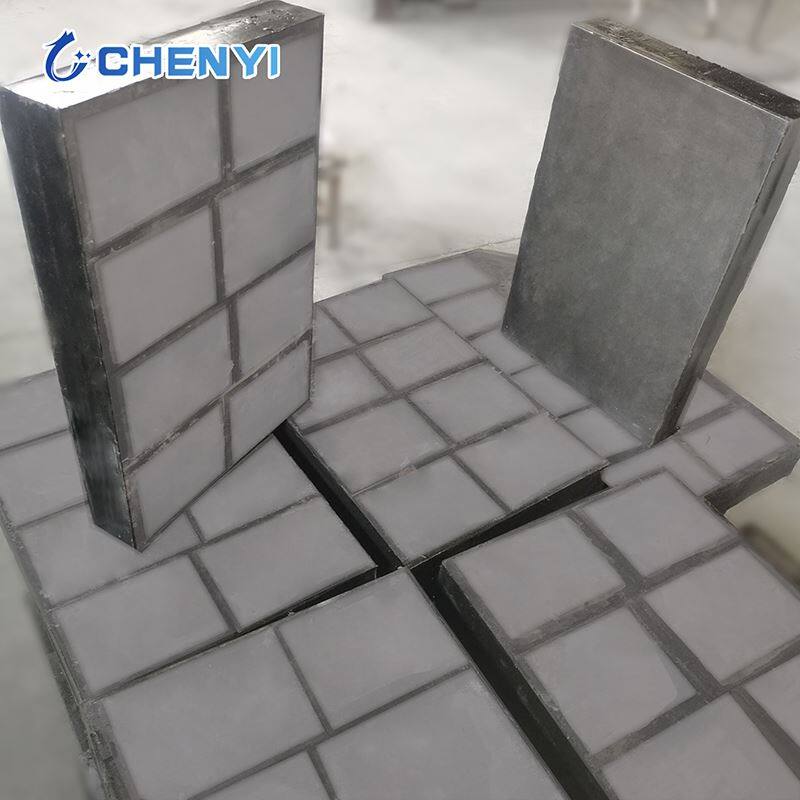
Sisic Ceramic Wear Liner (silicon carbide+rubber +steel plate) adopts a hot vulcanization process to vulcanize silicon carbide and rubber together to form a ceramic rubber liner, and also backing with steel plate and bolts make it easier to mount.
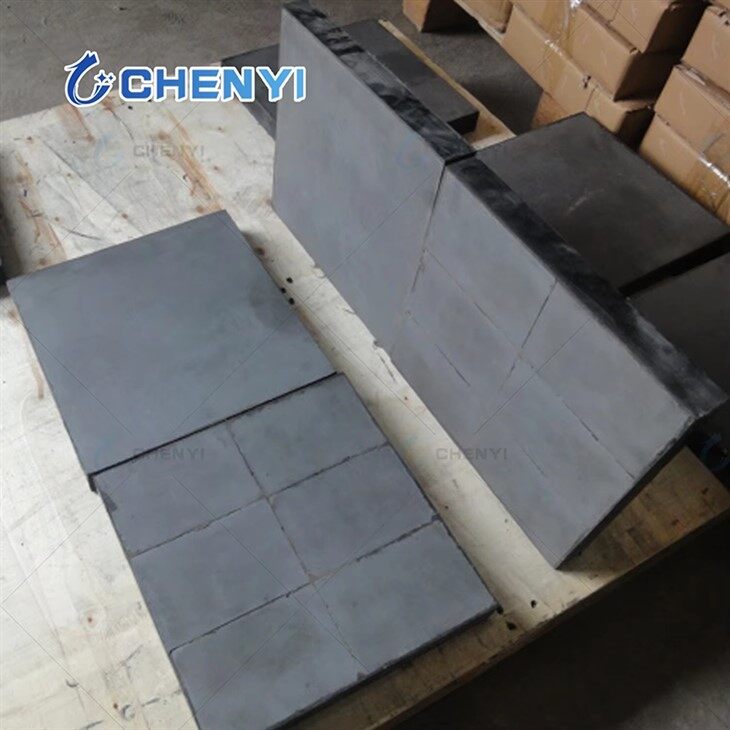
Silicon carbide(SISIC) liner (silicon carbide+rubber +steel plate) adopts a hot vulcanization process to vulcanize silicon carbide and rubber together to form a ceramic rubber liner, and also backing with steel plate and bolts make it easier to mount.
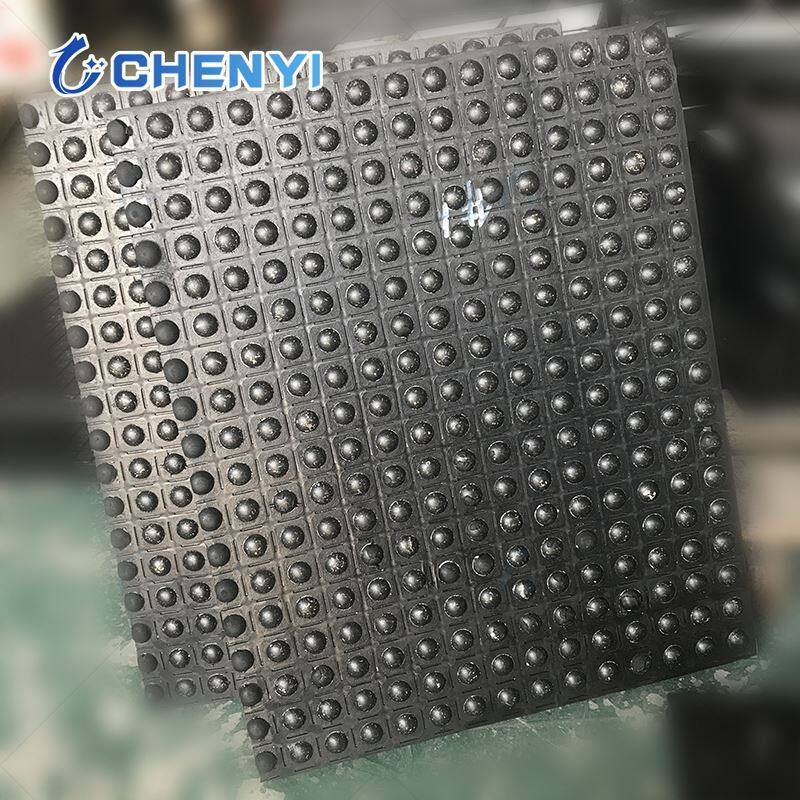
Impact Resistant Ceramic Liner
Impact resistant ceramic liner is made of toughened and abrasive ceramics fixed on the equipment through advanced stud welding process, and then the ceramic cover is screwed on to form a strong wear-resistant liner.
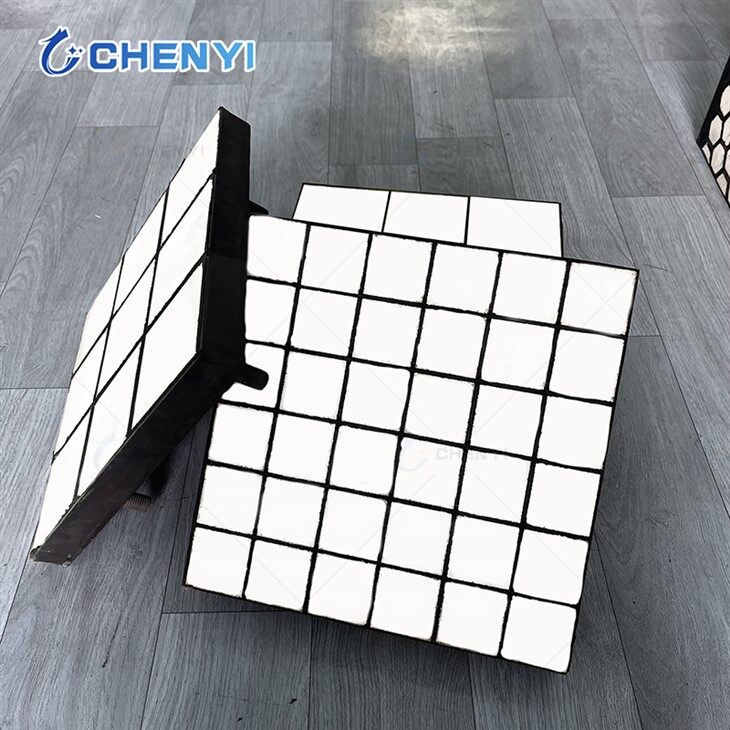
Wear resistant liner is innovative and high-performance solutions designed to protect industial equipment and components from abrasion, impact and corrosion.
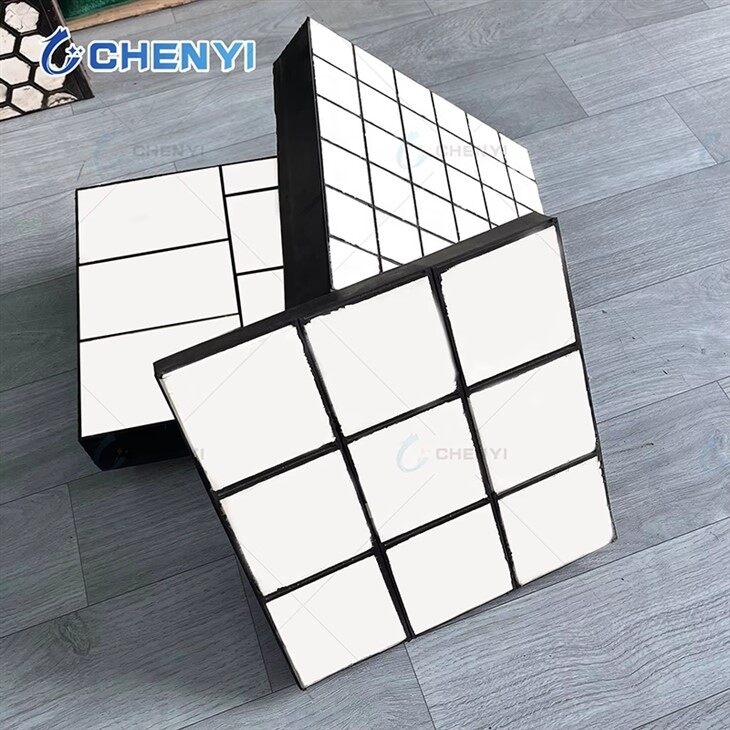
Alumina rubber liner is manufactured to fit into existing applications and can be easily installed by studs welded to the backing plate, counter bored holes molded into the liner, or by welding.
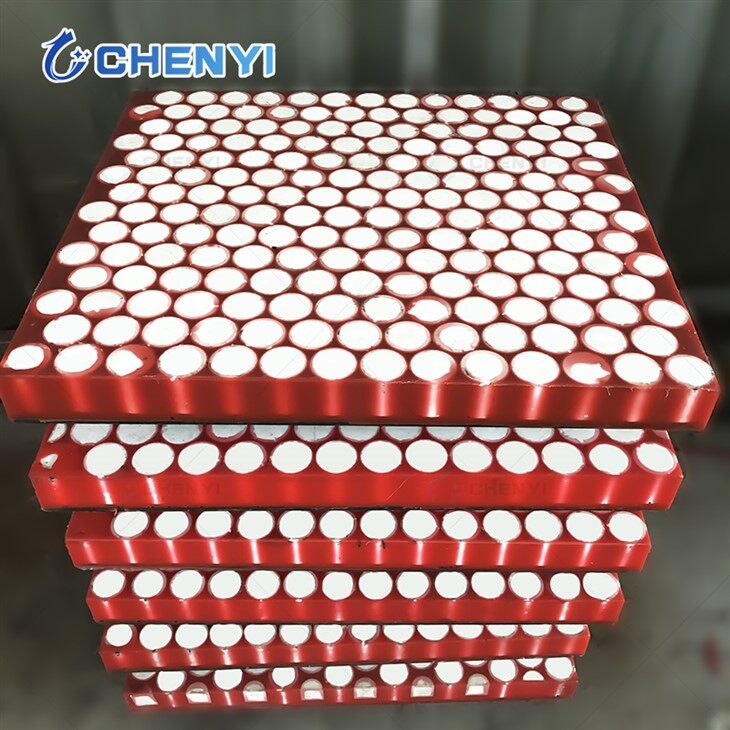
The abrasion rubber ceramic liner is made by vulcanizing ceramics in rubber or directly vulcanizing ceramic and rubber on steel plates.
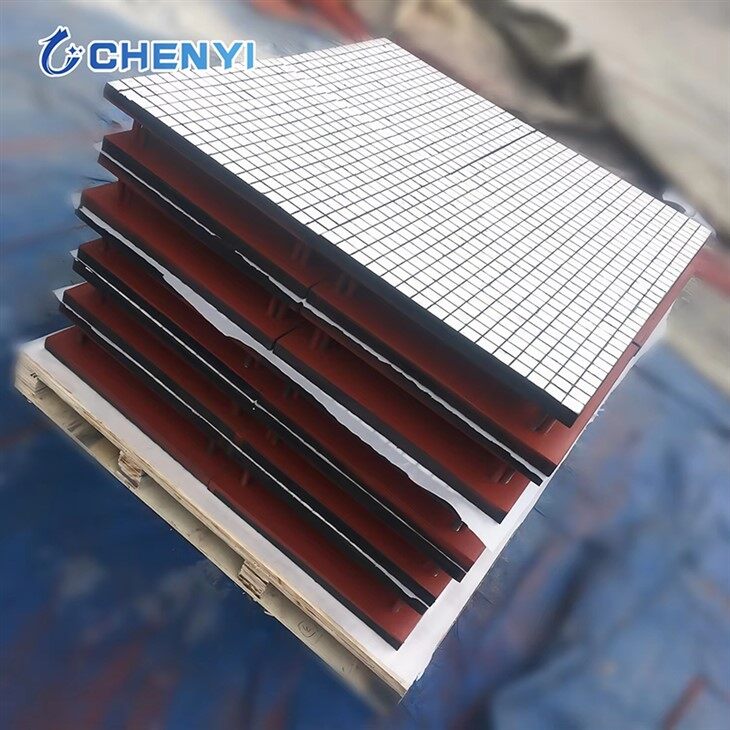
Ceramic Chute Liner (ceramic+rubber +steel plate) adopts a hot vulcanization process to vulcanize wear-resistant ceramic and rubber together to form a ceramic rubber liner, and also backing with steel plate and bolts make it easier to mount.
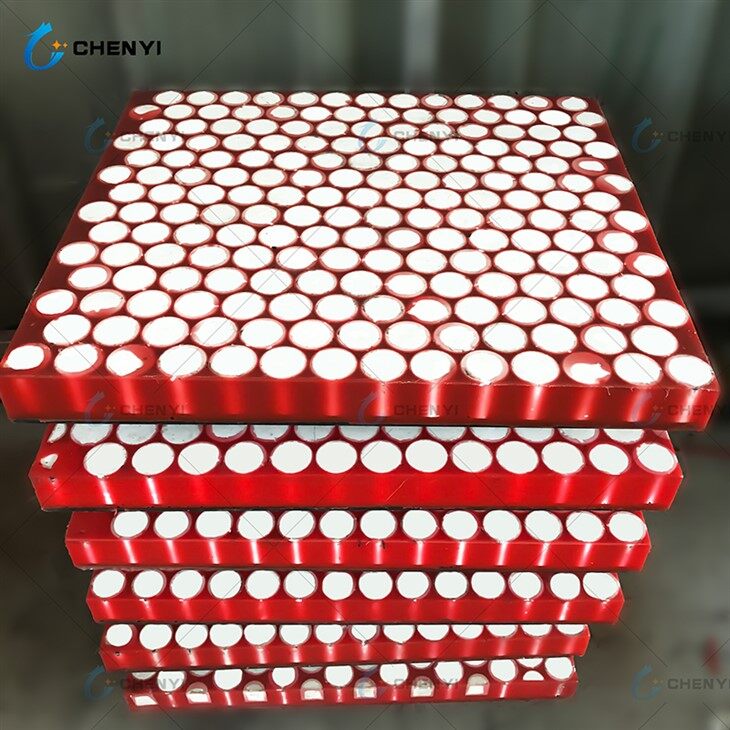
As a hard material composite formed with rubber, chute waer liner is primarily used where high impact loading occurs in combination with heavy abrasion. The wear protection is vulcanised in rubber.
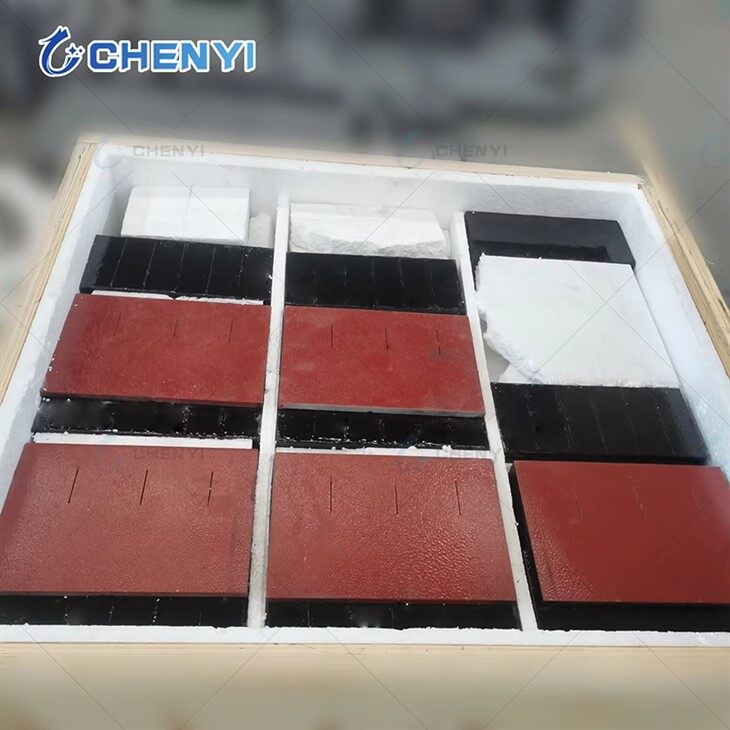
Ceramic wear liner adopts a hot vulcanization process to vulcanize wear-resistant ceramic and rubber together to form a ceramic rubber liner, and also backing with steel plate and bolts make it easier to mount.
Roller wrapping refers to the treatment of wrapping rubber material on the surface of the rollers in the conveyor system. This treatment is widely used in various industrial conveyor systems to improve the wear resistance, anti-slip and prolong the service life of the rollers.Pulley lagging is the layer of material which is bonded to the shell of a conveyor pulley. Its function is to protect the shell from damage, increase friction with the conveyor belt and dispense water off the pulley. Selecting the correct pulley lagging will increase the friction, preventing the belt from slipping. This helps to increase the life of your belt, especially for applications that require high rotation speeds. Quality conveyor components are an investment to your business, as it reduces the wear on equipment and maximizes the value of your application.
Advantages of Pulley Lagging
To Reduce Wear and Tear
Slippage can cause a great deal of wear and tear on the conveyor belt, leading to costly repairs and replacements. One pulley lagging benefits is that it Pulley lagging helps reduce slippage and, as a result, decreases the amount of wear and tear on the belt.
To Improve Traction
When a conveyor belt slips on the drive pulley, it can cause a variety of issues, including reduced traction, decreased efficiency, and increased energy consumption. Another Pulley lagging Benefits is that it improves traction, making it easier for the belt to grip the drive pulley and move materials more efficiently.
To Prevent Belt Damage
Slippage can cause belt damage, including belt stretching and tearing. Pulley lagging reduces the likelihood of slippage and, as a result, helps prevent belt damage.
To Increase Conveyor System Life
By reducing wear and tear, improving traction, and preventing belt damage, pulley lagging can increase the overall lifespan of a conveyor system. This can lead to significant cost savings over time, as fewer repairs and replacements will be needed.
Types of Pulley Lagging
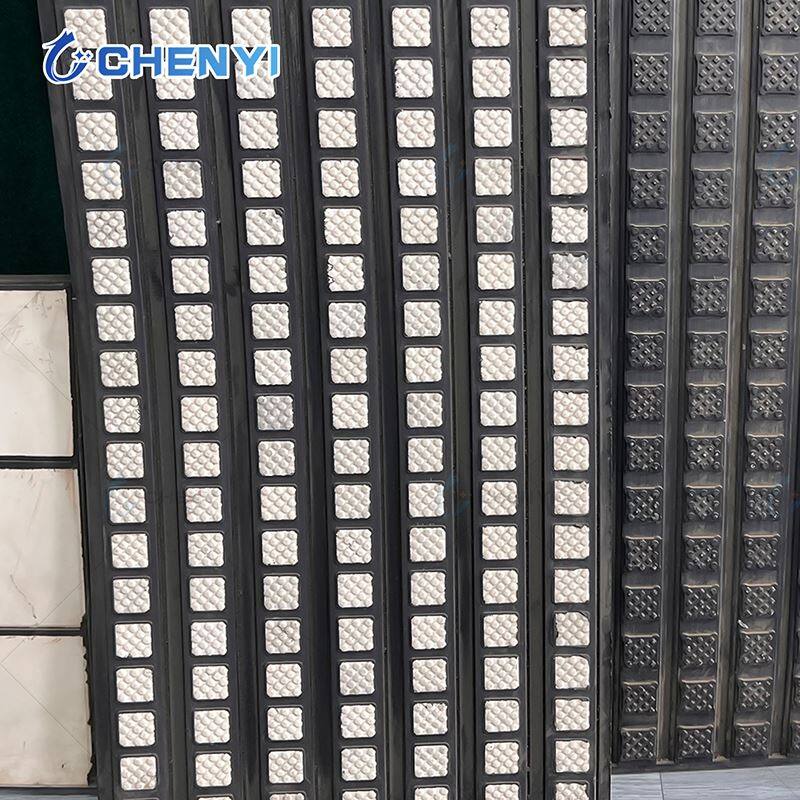
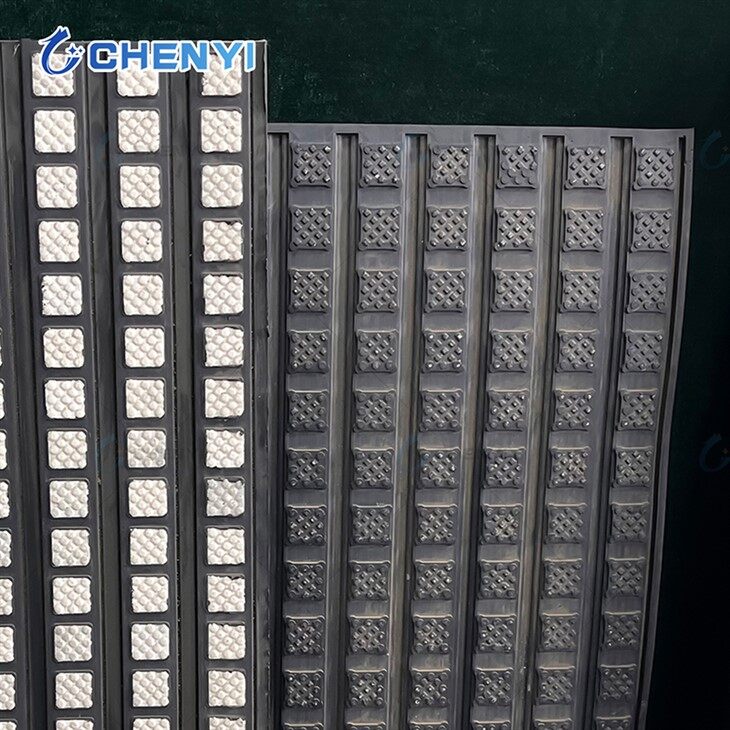
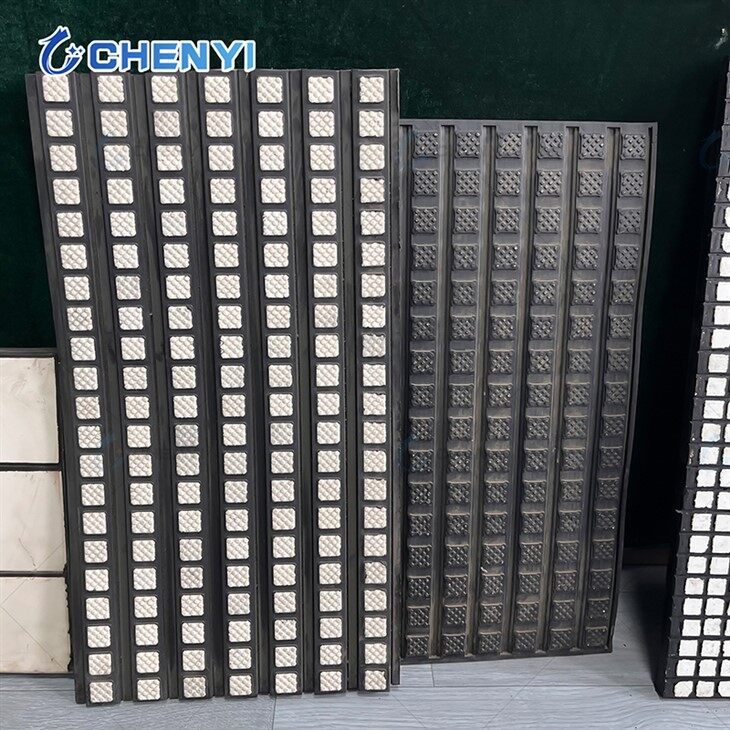
Rubber Lagging
Rubber is the most common type of pulley lagging. It is a relatively 'soft' material which offers good traction and is resilient to wear. Other functions include protection for the pulley shell and increased friction for conveyor belts.
There are many options when considering rubber lagging. It can be grooved and shaped to offer greater flexibility depending on your application.
Another added benefit of rubber is its one of the most affordable types of pulley lagging.
Rubber lagging is a versatile product. Depending on your application, different properties such as thickness and hardness can be utilised to achieve your outcomes. Rubber lagging can also be grooved into just about any shape or pattern.
One of the challenges with rubber lagging is that the operational life is limited and must be replaced routinely. Belt slippage can still occur even though rubber lagging increases friction to the conveyor belt.
Rubber lagging is not the most optimal pulley lagging product to achieve high levels of friction.
Plain Rubber vs Diamond Grooved Rubber Lagging
Plain rubber lagging is generally used on non-drive pulleys. This variation offers greater traction for the conveyor belt without excessively increasing friction which could cause the belt to wear faster.
Another rubber lagging product is diamond grooved rubber lagging. Grooved rubber lagging is generally applied to pulleys which require more fiction to the conveyor belt. The diamond grooves are more flexible when compared to plain rubber.
The gaps in the rubber allows the lagging extra room to bend and move with the conveyor belt. The added flexibility allows the rubber to keep contact with the same section of conveyor belt and helps reduce belt slippage. Another advantage to diamond grooved rubber lagging is it sheds water off the pulley to further assist with belt slippage and material build up.
Ceramic Lagging
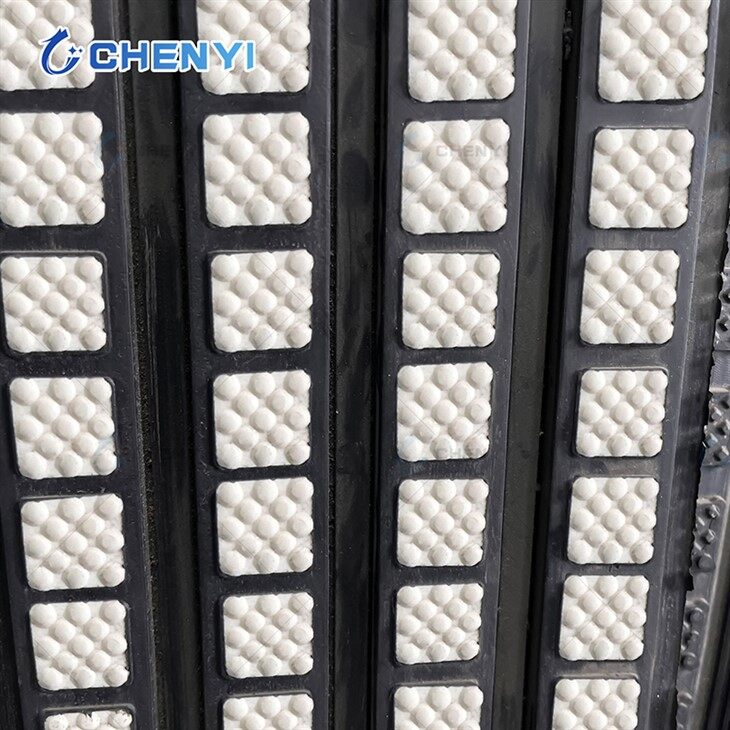
Another common type of pulley lagging is ceramic. Ceramic is used because it is a more hardy and durable material than rubber. Harsh conditions and abrasive material are the two usual reasons why ceramic lagging is considered.
The most common types of ceramic lagging are 'smooth' and 'dimple'. Both of these products offer a significant increase in friction, grip and tracking of the belt and elimination or reduction of belt slippage.
Ceramic lagging is a more expensive option than rubber lagging however ceramic lagging has a greater service life and reduces lagging wear.
Drive pulleys are usually lagged with dimple ceramic lagging because the increased fiction and grip assists in driving the conveyor belt. The coverage of ceramic on the surface of the lagging can be customised depending on your application and is used to increase or decrease friction and grip.
It can also be used to increase wear resistance depending on your needs and budget.
Non-drive pulleys can be lagged with smooth ceramic lagging. This is less common than drive pulleys as ceramic lagging is more expensive than rubber lagging and is only used when necessary.
Ceramic lagging can be applied to the pulley shell as a rubber backed ceramic strip or sheet. The rubber backing is bonded to the pulley shell. The other method is to directly bond the ceramic tiles to the pulley shell.
Smooth Ceramic vs Dimple Ceramic Lagging
One of the reasons to use dimple ceramic lagging is that the dimples add significantly more friction and grip for the belt when compared to smooth ceramic lagging and rubber lagging. The dimples will press into the conveyor belt and help to drag it.
There is a major consideration when using dimple ceramic lagging. If there is any belt slippage present, the dimples will claw the back side of the belt. Clawing of the belt will greatly decrease the belt life because the rubber will be consistently scratched off. Conveyor belts are significantly more expensive than lagging and as such belt slippage should be minimised by choosing the correct lagging for your application.
Smooth ceramic lagging offers a good middle ground between rubber lagging and dimple ceramic lagging. All the general benefits of ceramic are offered by smooth ceramic lagging as well as minimising the issue of the conveyor belt clawing that dimple ceramic lagging can display.
Other Lagging Options
Another type of pulley lagging is polyurethane or plastic lagging. Polyurethane lagging can be applied as a sheet or strip. The method of bonding is usually rubber backed polyurethane or cast the polyurethane directly on to the pulley shell. Although not as common as rubber and ceramic, polyurethane lagging is gaining popularity in some applications and can provide good service life. Cast polyurethane lagging can be very expensive to apply and extremely difficult to remove for repair, thus its generally only used when rubber and ceramic lagging has proved less serviceable.
A less common option is to leave the pulley shell bare and apply no lagging. This option offers the lowest friction because the conveyor belt is in direct contact with the pulley shell. The disadvantage of not utilising any lagging is that the pulley shell has no protection to wear and will often result in total replacement of the pulley shell.
How to Choose Pulley Lagging
Belt type and running speed:The run speed of the belt has a significant impact on lagging. However, because belts are more expensive to replace, they should always take precedence. Consider how much speed will wear out the lagging and affect the operating temperature when selecting a pulley lagging.
Pulley type:Because drive and tail pulleys have different responsibilities, you can choose two different types of lagging for them even if they are on the same conveyor. When a head pulley lags, more grip is required than when a tail pulley lags.
The operating environment and conditions:Climate, wet or dry conditions, and chemical contact all influence the type of pulley lagging used. Conveyor experts, such as CaTS can recommend the best type of pulley lagging for your specific operating conditions.
The Type Of Material Being Processed: Product abrasion is an important factor to consider when processing different materials. The abrasiveness of the belting material influences belting requirements, which in turn influences the type of pulley lagging to be used.
Disconnect the power supply and hang the safety warning board.
We shovel glue according to the status of residual glue on the roller surface. If the residual glue exceeds 0.5m, a shoveling glue machine must be used to remove the residual glue. Before shoveling the glue, the roller must be rotated by humans. If it cannot be rotated, the connecting pin between the roller and the reducer must be removed. If the residual adhesive area is less than 0.5m, then there is no need to shovel the adhesive.
Polishing
There are many dirt, dust, grease, water, rust, and other organic or inorganic contaminants on the surface of the metal, which affect the wetting of the glue. In order to improve the bonding strength, it is necessary to adopt mechanical, physical, chemical, and other methods to rough, clean, activate the surface of the adhesive, and change the surface properties. It can facilitate the glue infiltration, make the glue have a firm binding, and finally improve the durability and service life of the bonding. After the surface treatment, the metal surface can be changed into a kind of adhesive surface with high activity and high effective area. There are two ways that can solve the problem, mechanical grinding and sandblasting. They can provide the surface with appropriate roughness, increase the effective bonding area, improve the glue to the surface of the adhesive infiltration, and the adhesion performance. For the metal surface treatment of the roller, we usually use the steel brush or grinding machine to brush the loose oxide layer. At present, the angle grinder with a tungsten steel buffing disc to do the grinding treatment, not only can improve the grinding efficiency but also prevents the aging phenomenon on the surface of the roller.
Cleaning
After polishing the surface, there is a lot of dirt, dust, grease, water, rust, and other organic or inorganic pollutants, which affect the glue adhesive effect. We should use a cleaning agent to clean the surface. The cleaning agent should have good quality, which can protect the metal surface from corrosion. You can clean it several times to make sure the surface is totally clean. After the cleaning, dry it for some time, it can guarantee a good adhesive effect for glue.
Transition
Brush a layer of metal primer evenly on the roller metal surface. Waiting an hour to let it dry completely. The metal primer can not only prevent surface pollution but also prolong the storage life of the treated metal. It's a great way to guarantee the wetting performance of the adhesive and increase its adhesive strength and durability.
Gumming
Evenly brush the prepared cold vulcanized glue on the roller metal surface, and let it dry completely. The drying time is about 15-45 minutes. Brush the second layer of cold vulcanized adhesive after the first glue dries completely. After the second glue can slightly stick to the hand, you can do the final surface bonding. The bonding surface of the common glue board should be polished and cleaned first, then brush the glue twice. TRS or REMA adhesive is recommended, they only need to be brushed once, and there is no need to polish and clean it.
Bonding
You should fix the bonding reference line on the roller surface first. After the second glue brushing, it's easy to find the reference line for the bonding pulley lagging.
Here is the line drawing method:
- Take the two sides of the roller as the reference, draw the reference line with a square, steel ruler, and knife.
- Cover the semi-vulcanized layer of the Pulley Lagging with a clear plastic film.
- Using the reference line found on the roller as a reference, tear the plastic film about 50mm wide and start to paste the Pulley Lagging on the surface of the roller.
- After confirming the correct position, start to tear off the plastic film. While tearing it off, wipe it down with your hands. Note: Don't tear it too much, or it will be very firm after being glued and cannot be torn off
- If the sticking is skewed and the sticking area is not large, you can drop the cleaning agent between the Pulley Lagging and the metal body of the roller and slowly tear it off. Then brush cold vulcanized adhesive to the area where the Pulley Lagging and the roller are pasted, and then paste it after it dries slightly.
Sealing
Use a knife to cut out the V-shaped opening at the seam of the Pulley Lagging. The width of the outer opening is 15mm. Polish the V-shaped opening with a steel wire polishing brush, then brush off the rubber powder. Next, you should brush the T2 adhesive to the V-shaped opening twice. Then use the T2 extrude gun to fill the T2 adhesive, at the same time, keep pressing down with a compacting roller.
Trimming
Use a rubber knife to cut off the excess rubber at the edge of the roller. Keep the angle of the rubber knife at an angle of 45° with the surface. While rotating the roller, remove the excess rubber. Pulley Lagging Installation Notes:
- Temperature above 10℃, relative humidity less 90%, no water, control the dust.
- Polish and polish thoroughly, and make sure there is no residual glue, rust spots, pits, or flaps.
- Brush the metal primer or metal treating agent evenly, and dry thoroughly. You can use a hot air dryer or other dry tools.
- Brush the glue evenly twice, brushing it from one direction to another, it can avoid the failure of glue wrapping caused by bubbles. Brush the glue twice only when it is dry, and brush the glue only when it is dry for the second time.
- Roll and knock from the middle to both sides during gluing, so as not to produce bubbles and lead to failure of gluing.
- Sealing, the size should be calculated, and no gaps or blobs should be allowed.
Pulley lagging plays a critical role in conveyor systems by providing grip and traction to the conveyor belt. It helps in maintaining the alignment of the belt and prevents it from slipping or sliding off the pulley, thereby ensuring smooth and efficient operation. Additionally, pulley lagging protects the pulley from wear and corrosion, extending its lifespan and reducing maintenance costs.
Impact of Environmental Conditions:The environmental conditions in which conveyor systems operate can significantly affect the performance and longevity of pulley lagging. Temperature and moisture are two key factors that must be carefully considered during the selection process.
Temperature:Extreme temperatures, whether hot or cold, can pose challenges for pulley lagging. In high-temperature environments, such as foundries or steel mills, traditional rubber lagging may degrade quickly, leading to premature wear and decreased traction. Conversely, in cold environments, rubber lagging may become stiff and brittle, increasing the risk of cracking and failure.
Moisture:Moisture is another critical factor that can impact the performance of pulley lagging. Excessive moisture can lead to reduced friction between the conveyor belt and the pulley, resulting in slippage and decreased efficiency. Moreover, moisture can cause corrosion and rust on the pulley surface, compromising its integrity over time.
What Are the Possible Causes of Pulley Lagging Failure
The loads on pulley lagging are cyclic, and move from zero to full load multiple times a minute, dependent on the pulley rpm. This dynamic action is far more severe than an applied static load.
Start up loads, particularly with a loaded conveyor belt, will be much higher than the normal running load.
Low temperatures cause the rubber belt covers and the rubber component of any pulley lagging to become stiff and less flexible. The lower the temperature, the greater the extent to which this occurs. This loss of flexibility concentrates the applied loads on the weakest part of the cold vulcanised lagging – the bonding system.
FAQ


