


Zibo Chenyi Advanced Materials Co., Ltd. is one of the leading manufacturers and suppliers of silicon carbide ceramic in China, also supports customized service. If you're going to buy CE approved silicon carbide ceramic made in China, welcome to get quotation from our factory. Quality products and low price are available.
Zibo Chenyi Advanced Materials Co., Ltd is a high-tech enterprise including scientific research, manufacture and trading. We have a high quality research team and experienced design, production & fabrication team, also had established a close cooperative relationship with scientific research institutions and institutions of universities and colleges. Our company have been always working on the technology development, product design & manufacture, and site operation for the wear resistant materials and carbon fiber products to provide customers with good quality products and perfect solution.
Why Choose Us
Our Factory
We own full set of advanced production equipment, with advanced production technology and raw materials in domestic and abroad to provide tailor-made solutions for each customer.
Our Product
Rubber ceramic liner, polyurethane ceramic liner, ceramic pulley lagging, ceramic lined pipe, alumina ceramic product, silicon carbide product, ZTA product and other wear resistant product.
Our Certificate
ISO9001, 3 patents, UDEM, TUV.
Production Market
Australia, America, Germany, Japan, Kazakhstan, Italy, Belgium,UK, Denmark and other marketing.
Product Application
Coal-conveying system, coal pulverizing system, dust removing system, dust disposing system and mineral processing system.
Our Service
Various high-quality wear-resistant materials are available for selection, scheme design and production, on-site construction guidance. Very comprehensive after-sales support.
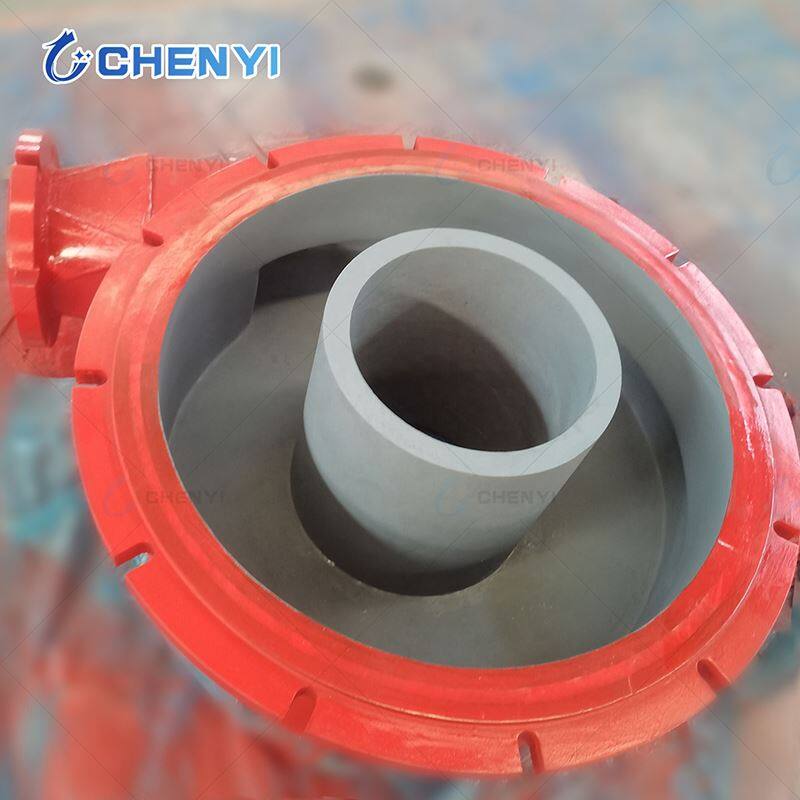
Reaction Sintered Silicon Carbide
Silicon carbide ceramic has high hardness, abrasion resistance and impact resistance, high temperature resistance, acid and alkali resistance, corrosion resistance and other characteristics. The actual service life is 6 times more than polyurethane.
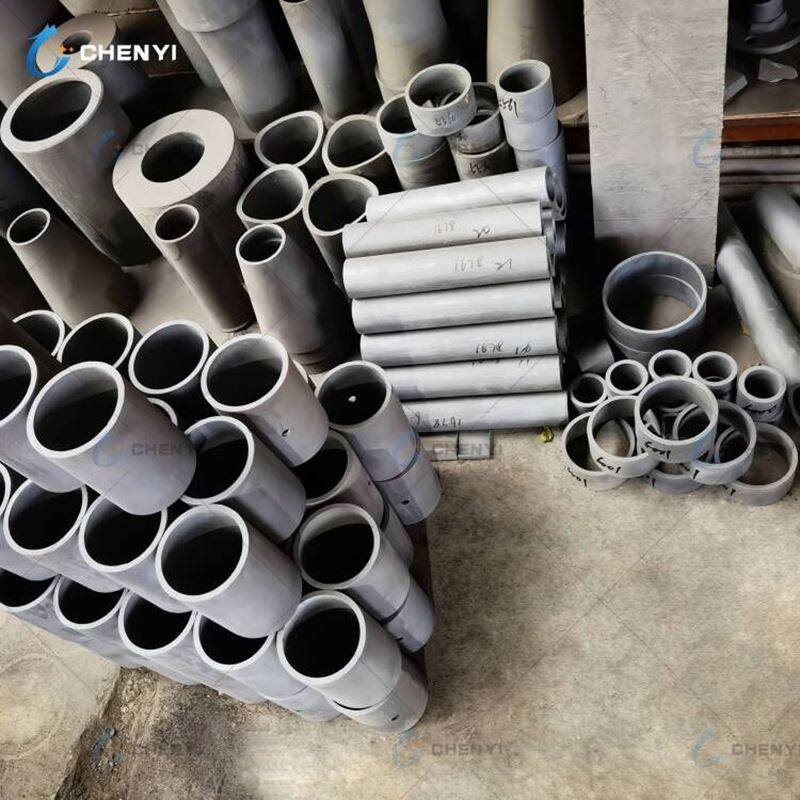
Silicon Carbide Ceramic has proven to be an excellent material for wear potection such as transfer points, in conveyor systems, screen feed plates, mill discharge chutes, bunker etc.
Silicon Carbide Ceramic has proven to be an excellent material for wear potection such as transfer points, in conveyor systems, screen feed plates, mill discharge chutes, bunker etc.Silicon carbide ceramic has high hardness, abrasion resistance and impact resistance, high temperature resistance, acid and alkali resistance, corrosion resistance and other characteristics. The actual service life is 6 times more than polyurethane. Especially suitable for highly abrasive, coarse particles in the classification, concentration, dehydration and other operations and it ahs been successfully applied in many mine.
Advantages of Silicon Carbide Ceramic
Hardness and wear resistance
Silicon carbide ceramic has extremely high hardness and wear resistance, which is usually higher than alumina ceramic. This means that silicon carbide pipes can be used for a long time in more severe working environments, reducing the frequency of maintenance and replacement, saving costs and time.
High temperature resistance
Silicon carbide ceramic has excellent high temperature resistance and can maintain stable performance under extreme temperature conditions. It is more resistant to high temperatures than alumina ceramics.
Chemical stability
Silicon carbide ceramic has high chemical stability under many corrosive chemicals, which makes it more advantageous in industrial fields that handle corrosive media.
Mechanical properties
Silicon carbide ceramic has excellent mechanical properties, including high strength and rigidity, and can withstand greater pressure and impact. This makes silicon carbide pipes perform well under high pressure or high flow conditions, improving the reliability and stability of the system.
Lightweight design
Due to the relatively low density of silicon carbide ceramics, pipes of the same size are lighter than alumina ceramics, which is conducive to the design of lightweight systems and reduces installation and transportation costs.
How is Silicon Carbide Ceramic Applied
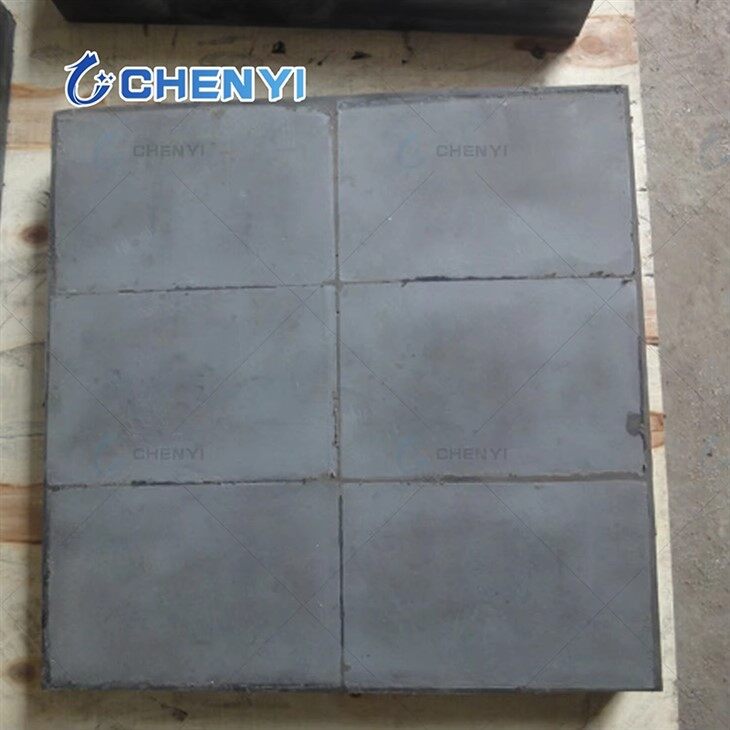
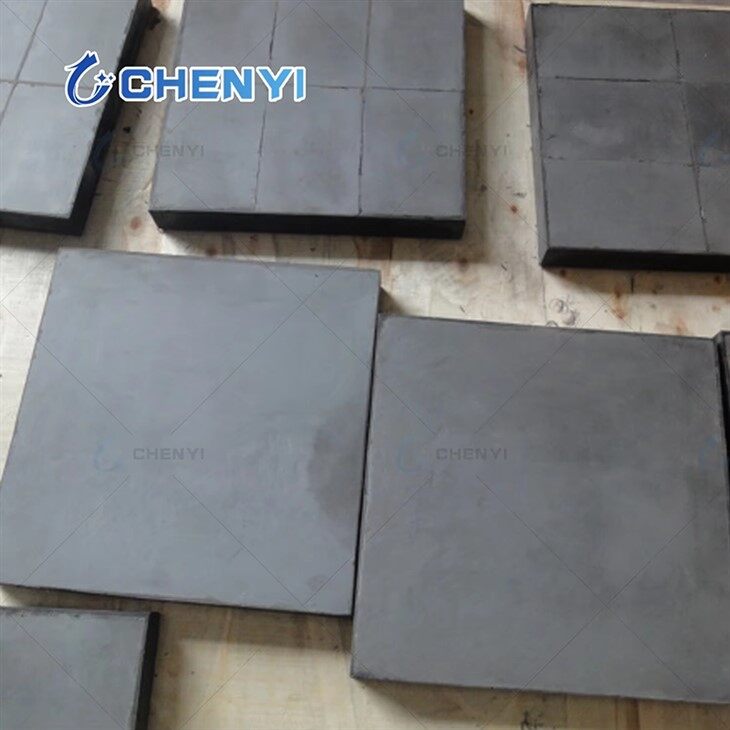
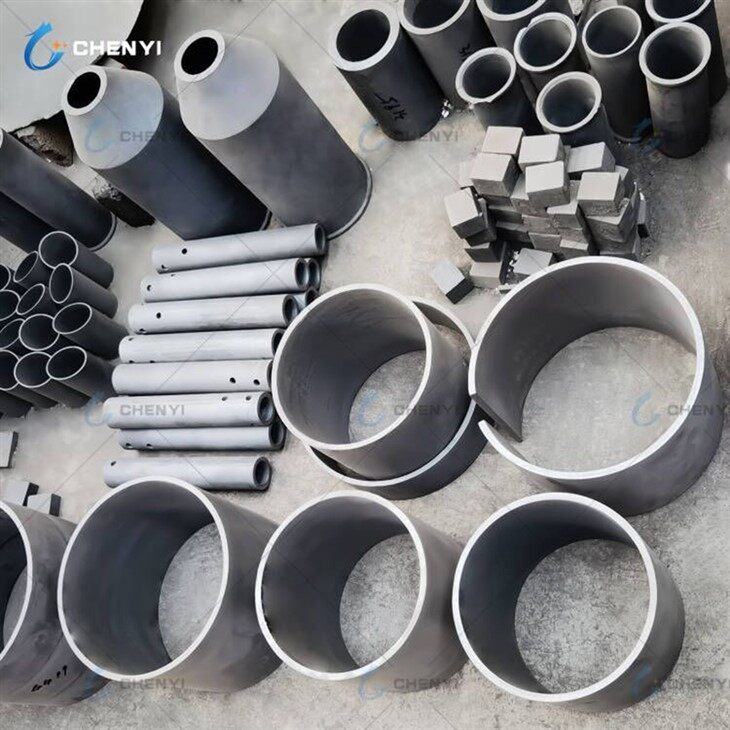
How is Silicon Carbide Ceramic Applied in High-Temperature Fields
Silicon carbide ceramics can be used as high-temperature kiln materials, such as SiC beams and cooling tubes. Due to their exceptional high-temperature strength and thermal shock resistance, they are crucial materials for components in rockets, aircraft, automobile engines, and gas turbines, mainly serving as static thermal machine parts. In industries such as high-end daily ceramics, sanitary wares, high-voltage electrical ceramics, and glass, SiC ceramics are typically chosen as high-temperature kiln materials for roller kilns, tunnel kilns, and shuttle kilns.
Additionally, the outstanding high-temperature strength, high-temperature creep resistance, and thermal shock resistance of SiC ceramics make them a primary material for thermal machine parts in rockets, aircraft, automobile engines, and gas turbines. For instance, the AGT100 automotive ceramic gas turbine developed by General Motors uses SiC ceramics for high-temperature components such as combustion chamber rings, combustion chamber cylinders, guide vanes, and turbine rotors. Although SiC ceramics exhibit poor toughness, limiting their use to static thermal machine parts in engines or gas turbines, they offer broad applications in high-temperature thermal industries as heating elements, furnace linings, and furnace doors, enhancing equipment's high-temperature performance and long-term stability.
In the field of new energy, SiC ceramics, as high-temperature materials, are expected to play a crucial role in improving system efficiency and reliability. In high-temperature engine components, SiC ceramics can replace traditional metal materials, enhancing engine efficiency, reducing emissions, and achieving lightweight designs. In aerospace, SiC ceramic engine components offer potential for improved engine operating temperatures, reduced weight, extended service life, and advancement of engine technology. In spacecraft components, the high-temperature stability and radiation resistance of SiC ceramics will enhance the reliability and lifespan of space exploration devices.
In the automotive industry, SiC ceramics can replace traditional metal materials in high-temperature engine components, improving engine efficiency, reducing emissions, and achieving lightweight designs. For high-performance car brake systems, the application of SiC ceramic brake discs promises better braking performance, more stable braking effects, and longer service life.
How is Silicon Carbide Ceramic Applied in Wear Resistance Fields
The high hardness and low friction coefficient of SiC grant it excellent wear resistance, making it particularly suitable for various sliding and friction wear conditions. SiC can be fashioned into various shapes with high dimensional precision and surface smoothness, serving as mechanical seals in many demanding environments, featuring good air tightness and long life. Additionally, the use of carbon as a sintering aid in solid-state pressureless sintered SiC enhances the material's lubricity, extending its lifespan.
In the mining and metallurgy industry, SiC ceramics can be used in ore crushers, conveyor equipment, screening devices, reducing wear and maintenance frequency while boosting production efficiency. In manufacturing, SiC ceramics as cutting tool materials in machine tools and cutting tools can significantly improve machining precision and tool life, reducing production costs. In chemical industry equipment, SiC ceramics are suitable for pumps, valves, and pipelines, resisting corrosion and wear, ensuring long-term stable operation of equipment. In the energy sector, such as wind and hydropower, the wear resistance of SiC ceramics makes them suitable for gear components in wind turbines and turbine parts in hydropower stations, capable of withstanding high-intensity friction and impact, extending service life. In oil and gas extraction, SiC ceramics can be used in drill bits and pump bodies, enhancing wear resistance and ensuring reliability in high-wear environments.
What Factors Affect The Strength Of Silicon Carbide Ceramics
1. Raw material factors
Quality of silicon carbide powder: Including purity, particle size distribution, particle shape, etc. High-purity silicon carbide powder can usually produce ceramics with higher strength. Powders with uniform and fine particle size distribution are conducive to sintering densification and improving strength. Powders with regular particle shape and good sphericity are easier to stack tightly during molding and sintering, thereby improving the strength of ceramics.
Type and content of additives: In order to promote the sintering of silicon carbide ceramics, some sintering aids are often added. Different additives have different effects on strength. For example, some metal oxide additives can form a liquid phase during sintering, promote material diffusion and grain growth, thereby improving strength; but if the amount added is too much, it may lead to excessive residual phases, which will reduce strength.
2. Preparation process factors
Molding method: Different molding methods will affect the density and microstructure of ceramics, thereby affecting strength. For example, hot pressing molding can usually produce silicon carbide ceramics with high density and high strength, because under high temperature and high pressure, the particles are more tightly bonded. The density of ceramics prepared by methods such as slip injection molding is relatively low, and the strength may also be affected to a certain extent.
Sintering temperature and time: Sintering temperature and time have an important influence on the strength of silicon carbide ceramics. Appropriately increasing the sintering temperature can promote grain growth and material diffusion, and improve the density and strength of ceramics. However, if the temperature is too high, it may cause abnormal grain growth, defects such as pores, and reduce strength. Sintering time that is too long or too short will also have an adverse effect on strength.
Atmosphere control: The atmosphere during the sintering process also affects the strength of silicon carbide ceramics. Sintering in an inert atmosphere or a reducing atmosphere can avoid the oxidation of silicon carbide, which is beneficial to improving strength. Sintering in an oxidizing atmosphere may cause an oxide layer to form on the surface of silicon carbide, affecting the bonding between particles and reducing strength.
3. Microstructural factors
Grain size: Generally speaking, the smaller the grain size, the higher the strength of silicon carbide ceramics. This is because fine-grained ceramics have more grain boundaries, which can hinder the expansion of cracks, thereby improving strength. In addition, fine-grained ceramics are usually denser, which is beneficial to improving strength.
Grain boundary structure: The structure and properties of grain boundaries have an important influence on the strength of silicon carbide ceramics. Good grain boundary bonding can improve the strength of ceramics, while impurities, pores and other defects at the grain boundaries will reduce the strength. By controlling the sintering process and adding appropriate additives, the grain boundary structure can be improved and the strength of ceramics can be improved.
Porosity: The presence of pores will reduce the strength of silicon carbide ceramics. Porosity will not only reduce the effective bearing area, but also become a stress concentration point, which is easy to cause crack propagation. Therefore, reducing the porosity of ceramics is one of the important ways to improve strength.
4. Environmental factors of use
Temperature: The strength of silicon carbide ceramics will change with the increase of temperature. Within a certain temperature range, the strength may decrease with the increase of temperature. This is because atomic diffusion is accelerated at high temperature, the grain boundary bonding force is weakened, and creep and other phenomena may occur, resulting in reduced strength.
Chemical corrosion: In some corrosive environments, silicon carbide ceramics may be chemically corroded, thereby reducing strength. For example, in strong acid, strong alkali and other environments, silicon carbide may undergo chemical reactions, resulting in surface corrosion and structural damage, reducing strength.
Mechanical stress: During use, if silicon carbide ceramics are subjected to excessive mechanical stress, such as impact, vibration, etc., cracks may be generated and expanded, reducing strength. In addition, long-term cyclic stress may also cause fatigue damage and reduce the strength of ceramics.
Proper use
Avoid overload: When using silicon carbide ceramic products, ensure that they work within the designed load range. Avoid excessive force, pressure or high temperature to avoid cracking or damage to the ceramics.
Control the use environment: Try to avoid using silicon carbide ceramics in harsh environments, such as strong acids, strong alkalis, high temperature and high humidity. If it cannot be avoided, appropriate protective measures can be taken, such as coating, sealing, etc.
Avoid impact and collision: Although silicon carbide ceramics have high hardness, they are also brittle. During installation, transportation and use, avoid impact and collision to avoid cracking of ceramics.
Reasonable storage
Dry storage: Silicon carbide ceramics should be stored in a dry environment to avoid moisture. A humid environment may cause corrosion or damage to the ceramic surface.
Avoid extrusion: During storage, silicon carbide ceramic products should be avoided from being squeezed. Appropriate packaging materials and storage methods can be used to ensure that the shape and size of the ceramic products are not affected.
Classification and storage: Different types of silicon carbide ceramic products should be stored in categories to avoid confusion. At the same time, the type, specification and production date of the ceramic products should be marked for easy management and use.
Regular maintenance
Cleaning and maintenance: Clean and maintain silicon carbide ceramic products regularly to remove dirt and impurities on the surface. You can use a soft damp cloth or detergent to clean, but avoid using hard objects to scratch the ceramic surface.
Inspection and maintenance: Check silicon carbide ceramic products regularly to see if there are cracks, breakage or corrosion. If problems are found, they should be repaired or replaced in time.
Protective treatment: For some silicon carbide ceramic products that are susceptible to corrosion or wear, appropriate protective treatments such as coating and electroplating can be carried out. These protective measures can improve the corrosion resistance and wear resistance of ceramic products and extend their service life.
Silicon Carbide Ceramic Performance
SiC ceramic are high-tech materials known for their wear and corrosion resistance, excellent thermal conductivity and low electrical conductivity. These properties make SiC ceramics ideal components in various industrial applications such as tube liners, heat exchangers, mechanical seal parts, and burner nozzles. The aerospace and automotive industries are especially keen to use SiC ceramic products in their production processes due to their reliable performance.
Physical properties
Silicon carbide (SiC) ceramics have a density of around 3.20 g/mm³ and are known for their exceptional hardness and strength, with Mohs hardness of 9.5, Knoop hardness between 2670 and 2815 kg/mm, and thermal shock resistance that is much higher than that of corundum abrasive materials. SiC ceramics also boast excellent thermal conductivityand low coefficient of thermal expansion, making them the ideal refractory material.
Chemical properties
Silicon carbide ceramic products are renowned for their high heat resistance, as well as for their ability to resist chemical degradation in extreme environments. At temperatures of 1300℃ and above, a protective layer of silicon dioxide forms on the surface of Silicon carbide crystals, forming a strong barrier against further chemical reactions. These ceramics can withstand strong acidity levels but do not fare well in alkaline conditions due to the lack of silica protection.
Electrical properties
Silicon carbide ceramics are materials highly valued for their diversity of uses in a wide range of industrial and technological applications. Silicon carbide ceramic products have attractive properties such as high thermal conductivity, high electrical conductivity, low thermal expansion, excellent heat endurance and corrosion resistance. They are known for their wide temperature range and excellent mechanical strength at hot temperatures.
Excellent hydrophilicity
Silicon Carbide (SiC) is a highly durable ceramic material with strong covalent bonds and low electronegativity. With its high hardness, large elastic modulus, and great wear resistance, SiC ceramic products have a wide range of applications. Also, its oxidation rate is low due to the protective silicon dioxide layer that forms on the surface upon oxidation.
How To Improve The Toughness Of Silicon Carbide Ceramics
Particle toughening
Introducing second-phase particles: Add some high-toughness particles such as titanium carbide (TiC) and boron carbide (B₄C) to silicon carbide ceramics. These particles can hinder crack propagation in the ceramic matrix, thereby improving the toughness of the ceramic. For example, adding an appropriate amount of TiC particles can increase the fracture toughness of silicon carbide ceramics by more than 20%.
Nanoparticle toughening: Nanoparticles have the characteristics of large specific surface area and high activity, and can form nano-scale interfaces in the ceramic matrix, thereby improving the toughness of ceramics. For example, adding nano silicon carbide particles can increase the fracture toughness of silicon carbide ceramics by more than 30%.
Fiber toughening
Continuous fiber toughening: Add continuous fibers such as carbon fibers and silicon carbide fibers to silicon carbide ceramics. These fibers can form a three-dimensional network structure in the ceramic matrix, which effectively hinders the expansion of cracks and improves the toughness of ceramics. For example, the addition of carbon fibers can increase the fracture toughness of silicon carbide ceramics by more than 50%.
Short fiber toughening: Short fibers can also improve the toughness of silicon carbide ceramics to a certain extent. Short fibers can bridge cracks in the ceramic matrix, thereby slowing down the expansion of cracks. For example, the addition of chopped carbon fibers can increase the fracture toughness of silicon carbide ceramics by more than 20%.
Phase transformation toughening
Zirconia phase transformation toughening: Zirconia (ZrO₂) is added to silicon carbide ceramics, and the martensitic phase transformation of zirconia is used to improve the toughness of ceramics. When ceramics are subjected to external forces, zirconia undergoes a phase transformation from tetragonal phase to monoclinic phase. This phase transformation process absorbs energy, thereby hindering the expansion of cracks and improving the toughness of ceramics. For example, adding an appropriate amount of zirconia can increase the fracture toughness of silicon carbide ceramics by more than 30%.
Toughening with other phase change materials: In addition to zirconium oxide, there are some other phase change materials that can also be used to improve the toughness of silicon carbide ceramics, such as barium titanate (BaTiO₃).
Composite toughening
Particle-fiber composite toughening: Combining particle toughening and fiber toughening can further improve the toughness of silicon carbide ceramics. For example, adding titanium carbide particles and carbon fibers to silicon carbide ceramics at the same time can increase the fracture toughness of ceramics by more than 60%.
Multilayer composite toughening: By preparing multilayer silicon carbide ceramics, the interface effect between different layers can be used to improve the toughness of ceramics. For example, preparing silicon carbide-zirconia multilayer composite ceramics can increase the fracture toughness of ceramics by more than 40%.
FAQ


