

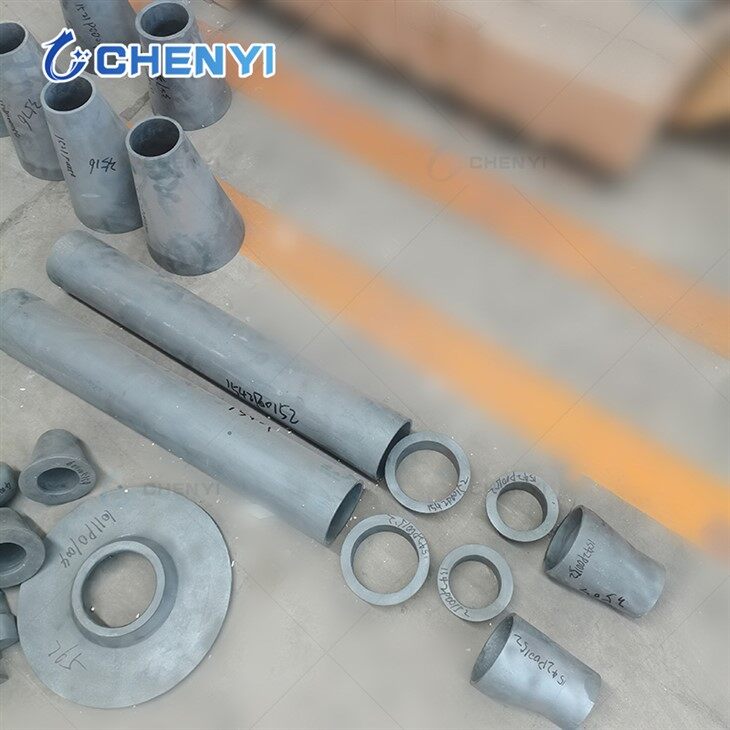
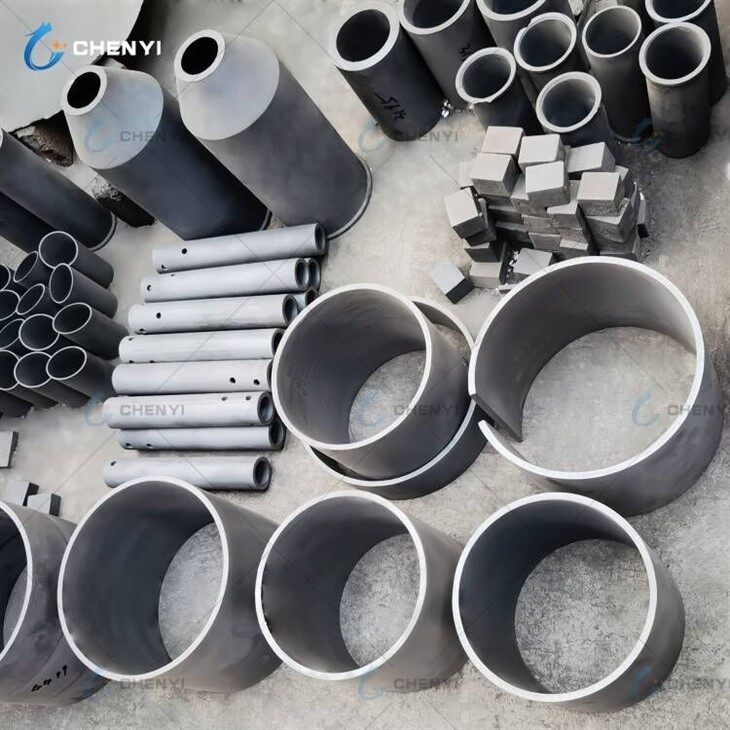
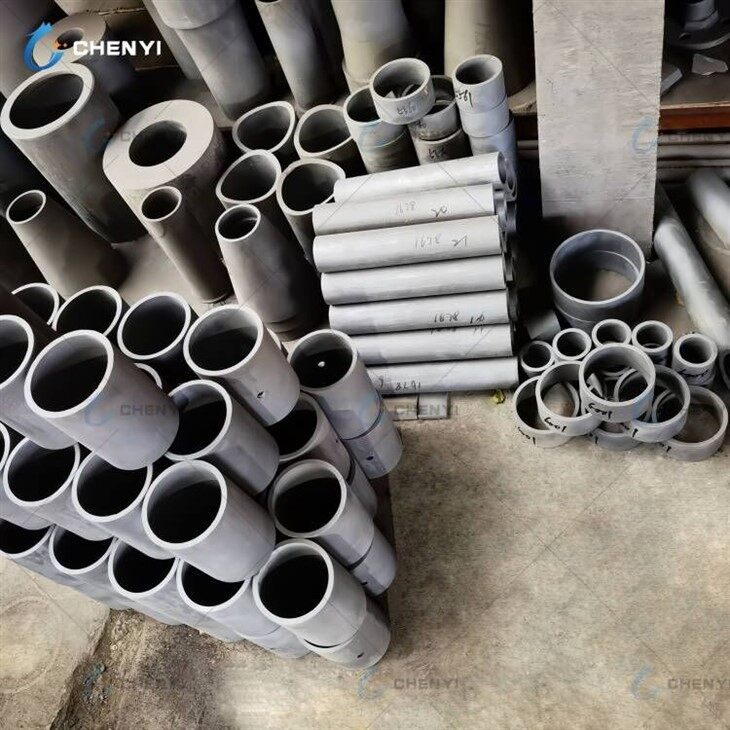
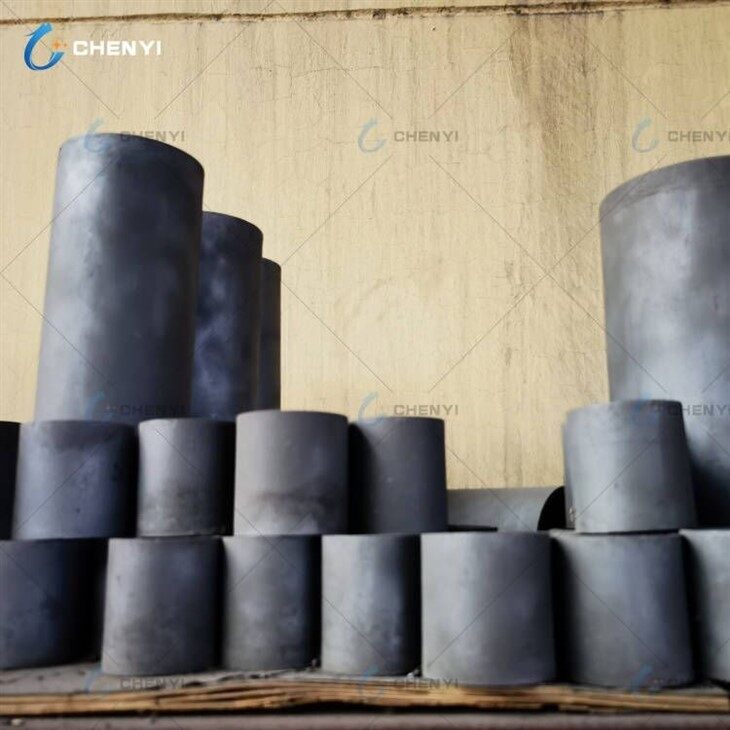
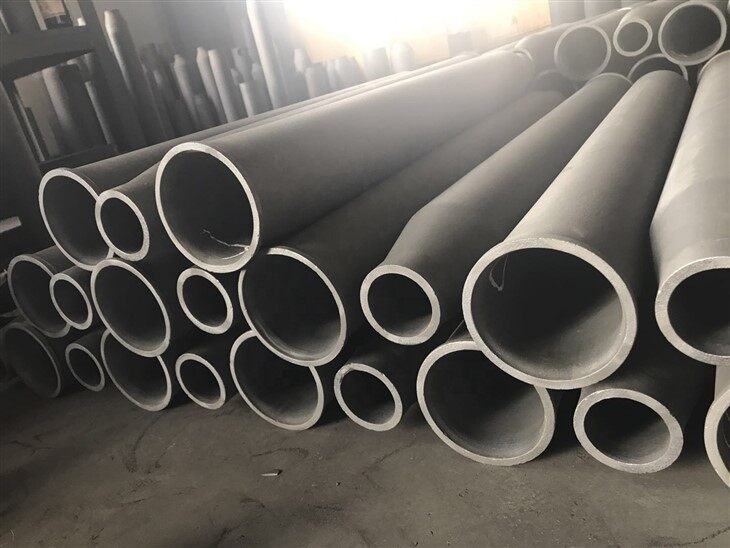
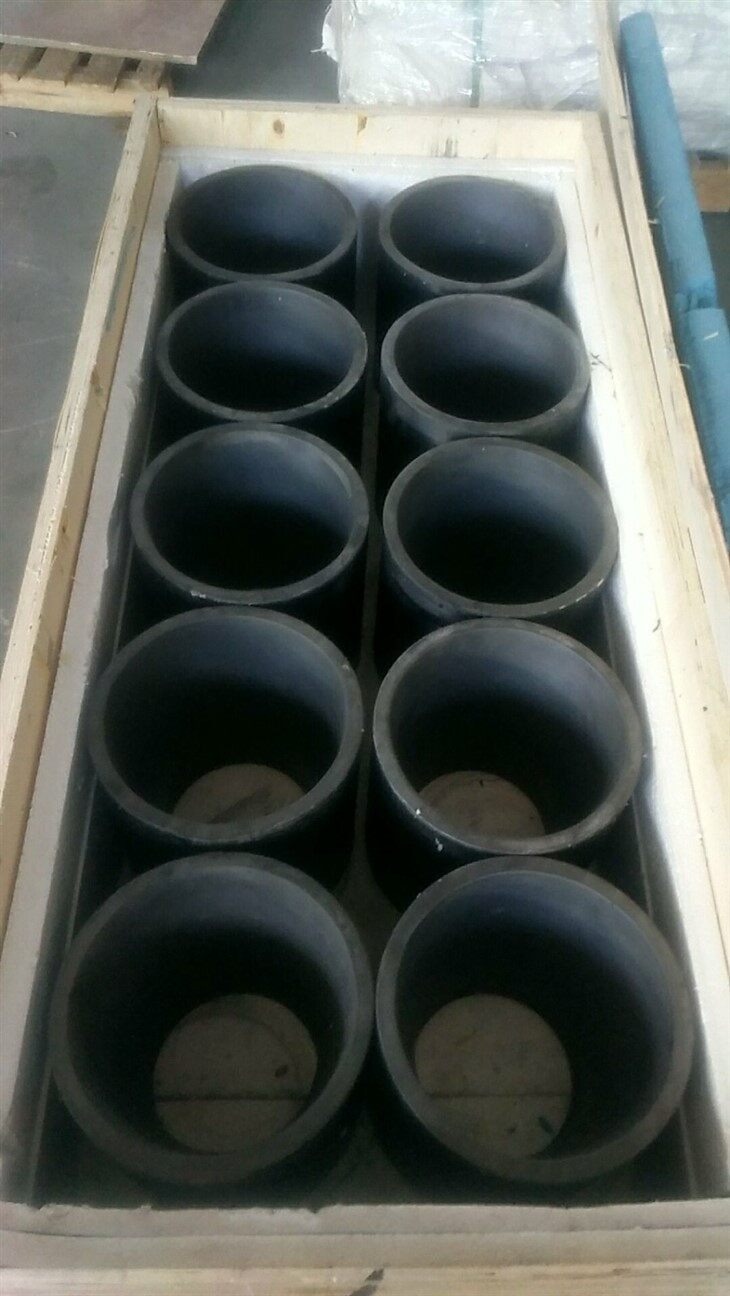
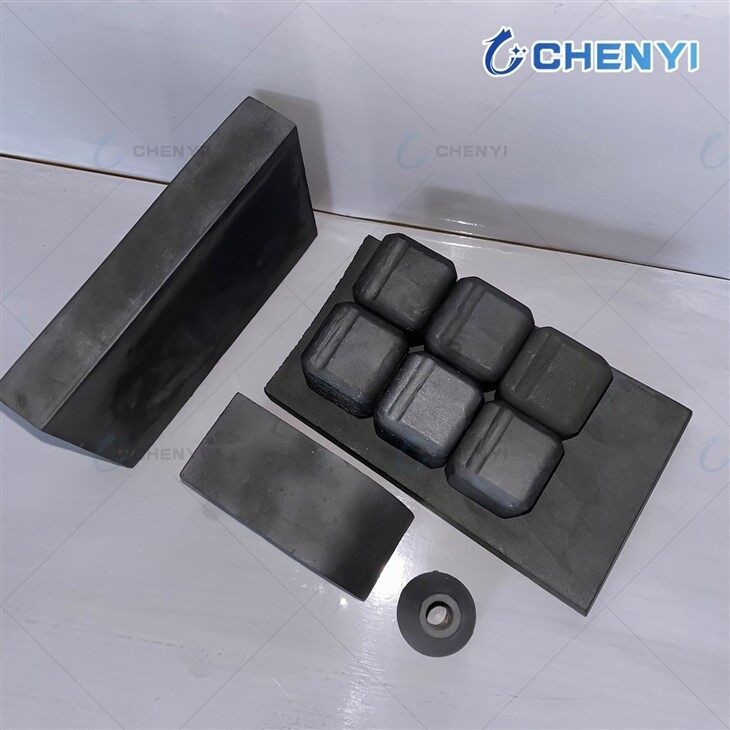
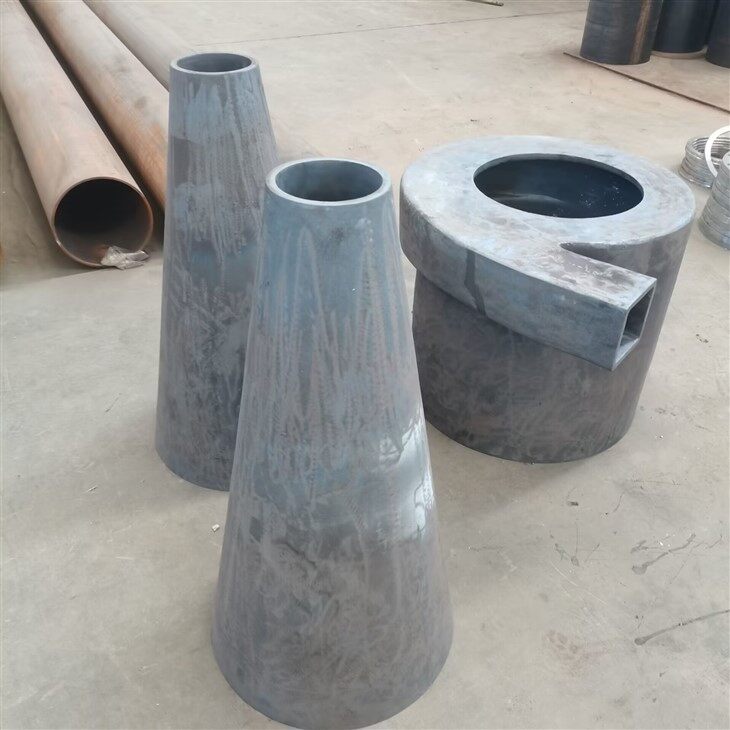
Zibo Chenyi Advanced Materials Co., Ltd. is one of the leading manufacturers and suppliers of reaction bonded silicon carbide(rbsic)ceramic in China, also supports customized service. If you're going to buy CE approved reaction bonded silicon carbide(rbsic)ceramic made in China, welcome to get quotation from our factory. Quality products and low price are available.

Reaction Bonded Silicon Carbide (RBSC) is a form of silicon carbide that is produced through a chemical reaction during its manufacturing process. Unlike traditional sintering methods, where pure silicon carbide powder is heated at high temperatures, the reaction-bonding process uses a mixture of silicon carbide powder and carbon, which reacts with molten silicon during the process to form silicon carbide. This results in a denser, stronger material compared to standard silicon carbide ceramics.
Reaction Bonded Silicon Carbide (RBSIC) Ceramic Manufacturing Process
Mixing the Raw Materials: The process begins with mixing silicon carbide powder with a carbon source, typically in the form of graphite.
Shaping: The mixture is shaped into the desired form, usually by pressing or extrusion.
Reaction Bonding: The shaped material is then heated in a furnace at a temperature high enough to melt the silicon but low enough to avoid sintering the silicon carbide. During this process, the silicon reacts with the carbon and the free carbon present in the mixture to form silicon carbide (SiC), bonding the material.
Finishing: After the reaction bonding, the material may be finished or machined to its final dimensions.
Key Properties of Reaction Bonded Silicon Carbide (RBSIC) Ceramic
High Hardness: Silicon carbide is one of the hardest materials known, making RBSC highly resistant to wear, abrasion, and corrosion.
High Thermal Conductivity: RBSC has excellent thermal conductivity, which makes it useful in high-temperature applications.
Wear Resistance: Its high hardness and abrasion resistance make it ideal for applications where surfaces come into contact with abrasive materials.
Chemical Resistance: RBSC is resistant to most chemicals, including acids and alkalis, which makes it suitable for use in aggressive environments.
High-Temperature Stability: Silicon carbide retains its properties at elevated temperatures, typically up to 1400°C, and can be used in applications requiring high heat resistance.
How is Reaction Bonded Silicon Carbide (RBSIC) Ceramic Applied


How is Reaction Bonded Silicon Carbide (RBSIC) Ceramic Applied in High-Temperature Fields
Wear-Resistant Components:
Pumps and Valves: RBSC is often used in the manufacture of pump parts and valve components, especially in the chemical, oil, and gas industries, where corrosion and abrasion are major concerns.
Mechanical Seals: Used in sealing components due to its hardness and resistance to wear.
Bearings: Used in environments where extreme wear and tear are present, such as in high-performance mechanical or aerospace applications.
Aerospace and Automotive:
Brake Discs: Silicon carbide is commonly used in high-performance brake discs for sports cars and aerospace applications due to its combination of high strength, low weight, and high thermal conductivity.
Turbochargers and Exhaust Systems: Used for high-temperature resistance in turbochargers and exhaust systems.
Thermal Management:
Heat Exchangers: Due to its high thermal conductivity, RBSC is used in heat exchanger components in industrial and power generation systems.
Kiln Furniture: Used in kilns and furnaces, especially where high temperatures and wear resistance are required.
Nuclear Applications:
Nuclear Fuel Cladding: In certain nuclear reactors, RBSC is used as a cladding material for nuclear fuel, due to its ability to withstand radiation and extreme heat.
Chemical Processing:
Reaction Vessels: RBSC is used in vessels and other equipment involved in handling aggressive chemicals, particularly in the processing of corrosive substances.
Defense and Armor:
Ballistic Armor: RBSC is used in armor materials for military vehicles and personal protection gear due to its hardness and impact resistance.
How is Reaction Bonded Silicon Carbide (RBSIC) Ceramic Applied in Wear Resistance Fields
The high hardness and low friction coefficient of SiC grant it excellent wear resistance, making it particularly suitable for various sliding and friction wear conditions. SiC can be fashioned into various shapes with high dimensional precision and surface smoothness, serving as mechanical seals in many demanding environments, featuring good air tightness and long life. Additionally, the use of carbon as a sintering aid in solid-state pressureless sintered SiC enhances the material's lubricity, extending its lifespan.
In the mining and metallurgy industry, SiC ceramics can be used in ore crushers, conveyor equipment, screening devices, reducing wear and maintenance frequency while boosting production efficiency. In manufacturing, SiC ceramics as cutting tool materials in machine tools and cutting tools can significantly improve machining precision and tool life, reducing production costs. In chemical industry equipment, SiC ceramics are suitable for pumps, valves, and pipelines, resisting corrosion and wear, ensuring long-term stable operation of equipment. In the energy sector, such as wind and hydropower, the wear resistance of SiC ceramics makes them suitable for gear components in wind turbines and turbine parts in hydropower stations, capable of withstanding high-intensity friction and impact, extending service life. In oil and gas extraction, SiC ceramics can be used in drill bits and pump bodies, enhancing wear resistance and ensuring reliability in high-wear environments.
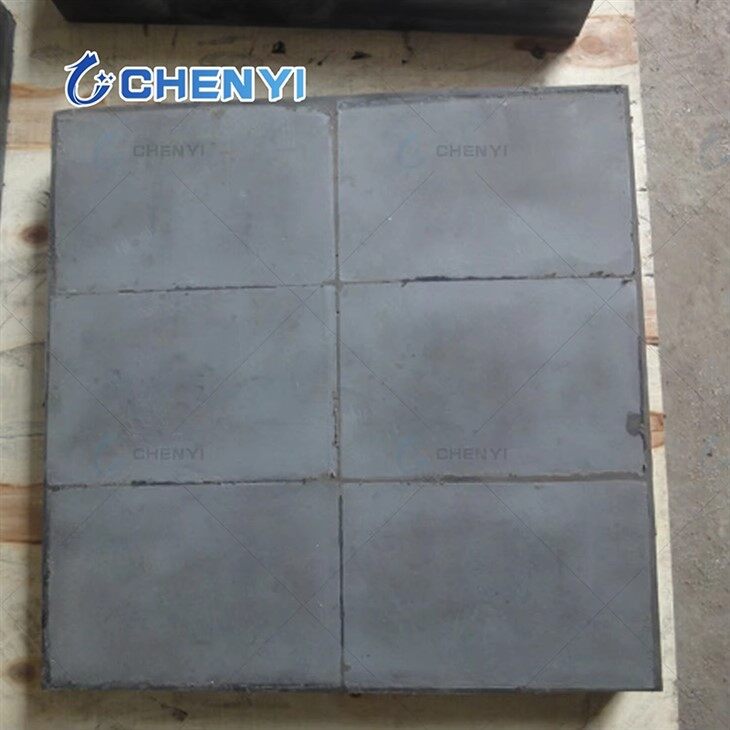
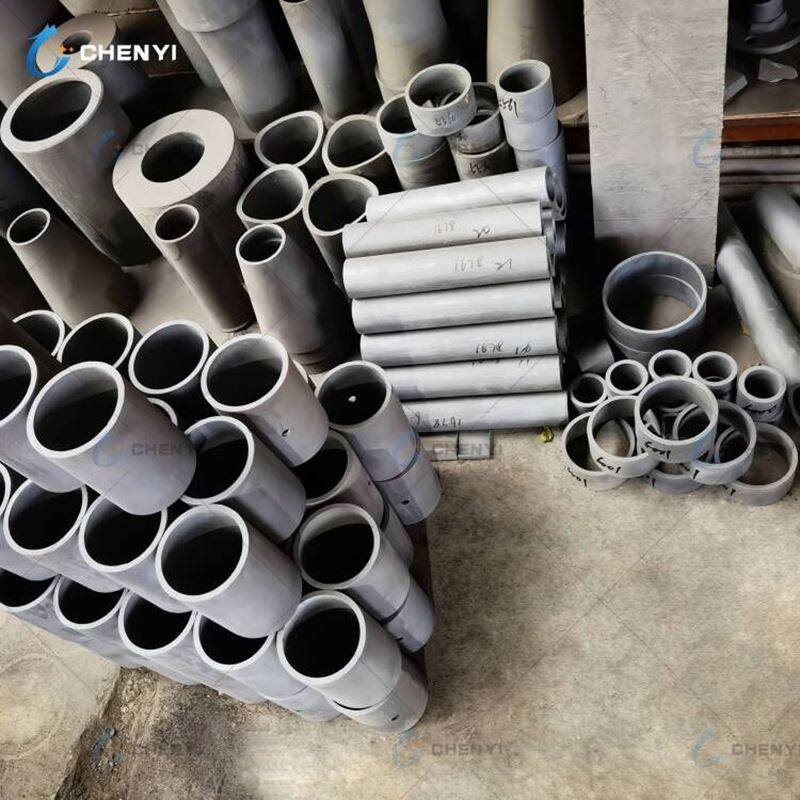
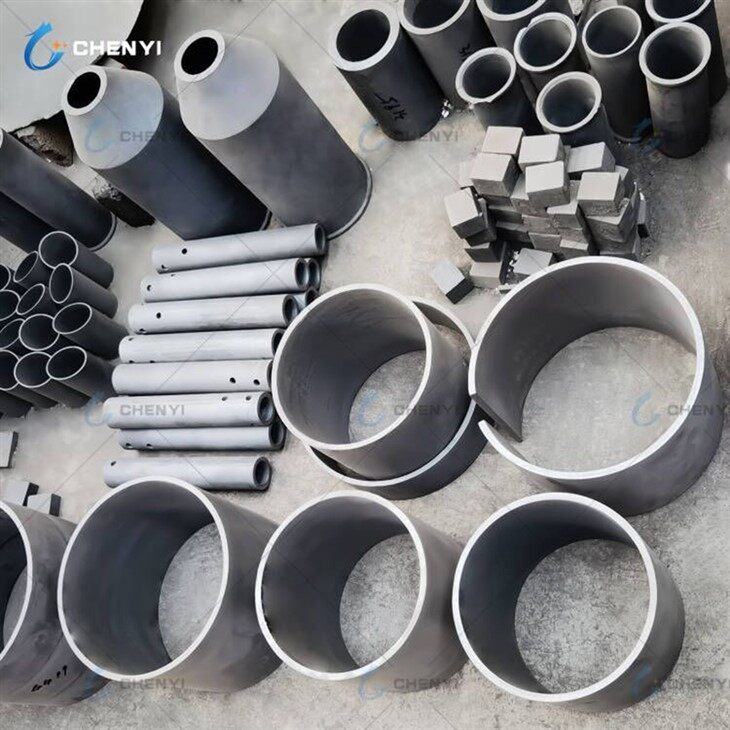
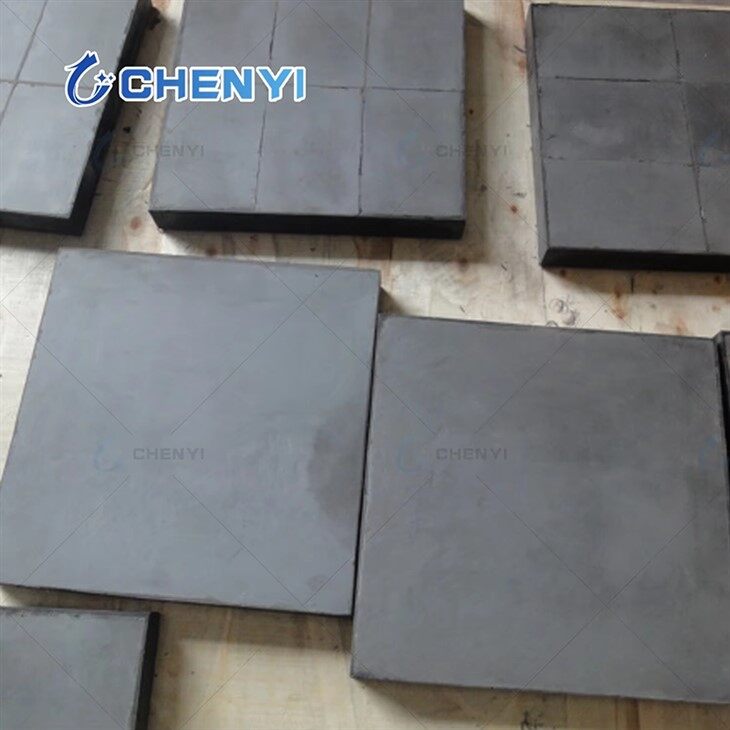
Comparison between 95% alumina ceramic and reaction bonded silicon carbide ceramic
|
95% alumina ceramic |
reaction bonded silicon carbide ceramic |
Interpretation of the Influence on Wear Resistance |
|
|
Vickers hardness (Hv) |
approximately 1500-1650 kg/mm² |
approximately 2500-2800 kg/mm² |
Hardness serves as the primary defense against wear. With a hardness approximately 50% higher than conventional materials, RBSiC demonstrates superior resistance to abrasive penetration and plowing action. RBSiC emerges as the clear winner. |
|
fracture toughness (K1c) |
approximately 3.5-4.0 MPa·m¹/² |
approximately 4.0-4.5 MPa·m¹/² |
Toughness determines a material's resistance to crack propagation and particle delamination (fatigue wear). RBSiC demonstrates slightly superior performance, owing to the toughening effect of the metallic silicon phase. RBSiC ultimately prevails. |
|
modulus of elasticity |
Approximately 300–350 GPa |
Approximately 380–420 GPa |
The higher the modulus, the less the material deformation under stress, the smaller the contact area, and the weaker the plowing effect. RBSiC is superior. |
|
density |
Approximately 3.6–3.7 g/cm³ |
Approximately 3.05–3.10 g/cm³ |
The RBSiC component is lighter for the same volume. |
|
homogeneity of microstructure |
Alumina grain and glass phase exist, there is difference of hardness and elastic modulus, easy to cause uneven wear. |
The SiC skeleton with silicon phase ensures highly uniform SiC as the main phase, resulting in more consistent and predictable wear behavior. |
The uniformity of RBSiC ensures more stable wear resistance performance. |
FAQ


