


Zibo Chenyi Advanced Materials Co., Ltd. is one of the leading manufacturers and suppliers of alumina ceramics lining in China, also supports customized service. If you're going to buy CE approved alumina ceramics lining made in China, welcome to get quotation from our factory. Quality products and low price are available.
Zibo Chenyi Advanced Materials Co., Ltd. is a high-tech enterprise focusing on the research, development, production and sales of wear-resistant materials and carbon fiber products. The company has a highly skilled and experienced team, and also works closely with many research institutions and universities to promote technological innovation. We not only provide customers with high-quality products, but also customize solutions according to their needs to help them solve problems and improve efficiency in practical applications.
Why Choose Us
Our Factory
Equipped with state-of-the-art production equipment, leading domestic and international technologies and high-quality raw materials, we are able to provide personalized solutions according to the specific needs of our customers, ensuring that every customer receives the most suitable products and services.
Our Product
Rubber ceramic liner, polyurethane ceramic liner, ceramic pulley lagging, ceramic lined pipe, alumina ceramic product, silicon carbide product, ZTA product and other wear resistant product.
Our Certificate
ISO9001, 3 patents, UDEM, TUV.
Production Market
Australia, America, Germany, Japan, Kazakhstan, Italy, Belgium,UK, Denmark and other marketing.
Product Application
Coal-conveying system, coal pulverizing system, dust removing system, dust disposing system and mineral processing system.
Our Service
We offer a wide range of high-quality wear-resistant materials, and we can design and produce solutions according to your needs, as well as provide on-site construction guidance. In addition, our after-sales service is also very perfect, to ensure that you have no worries in the process of use.
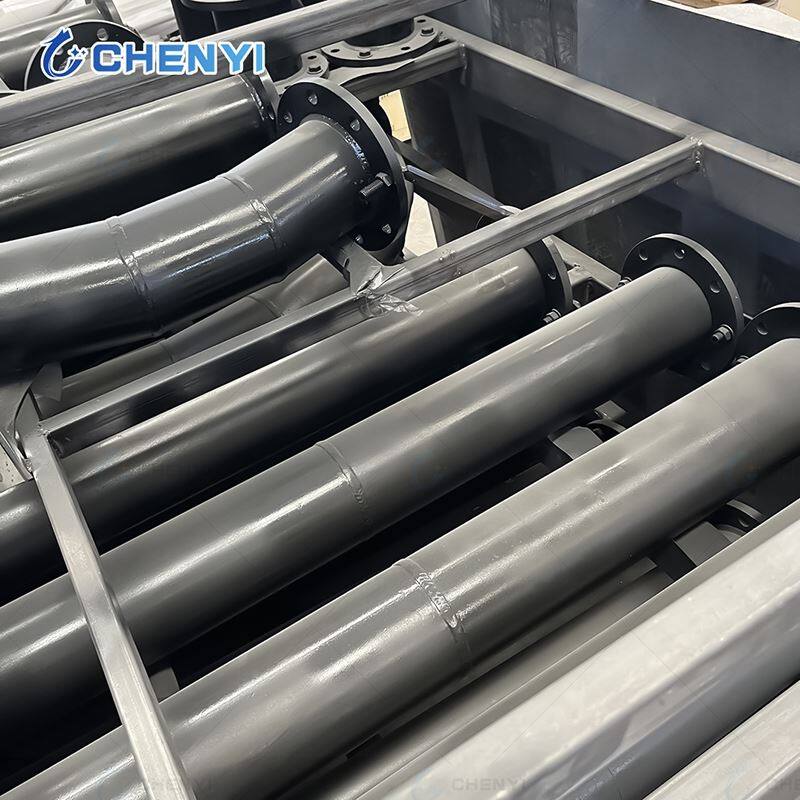
We are a manufacturer of wear resistant rubber ceramic liner / mats / plates / linings /panels, we produce various kinds of rubber ceramic liner to meet different applications, custom sizes and structures are available.
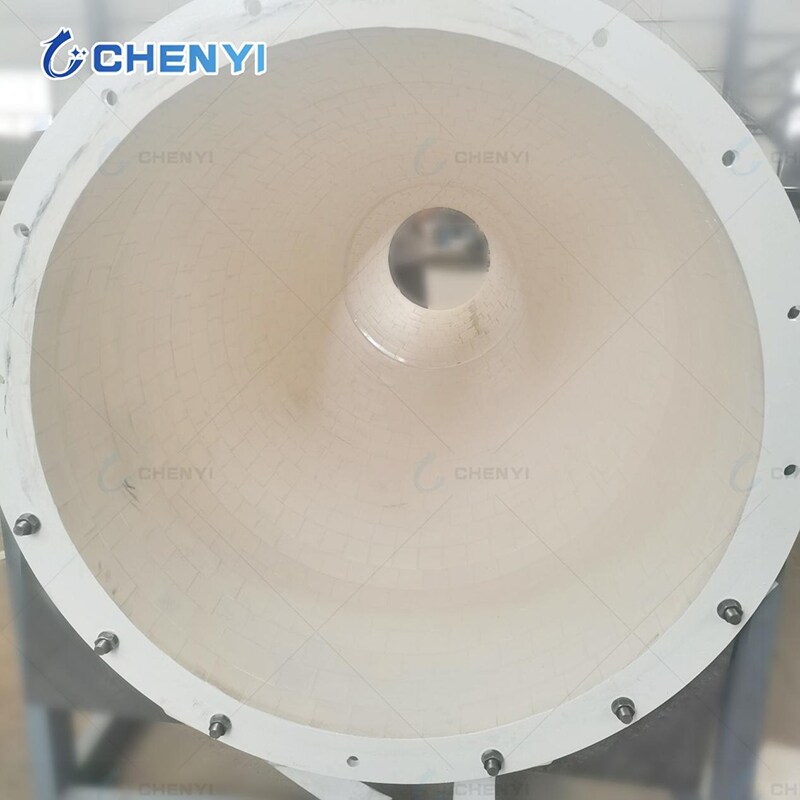
These ceramic tiles provide a hard wearing solution in the mining industry, with vibrating feeders, transfer chutes, cyclones, pipes and other traditional "high-wear areas".
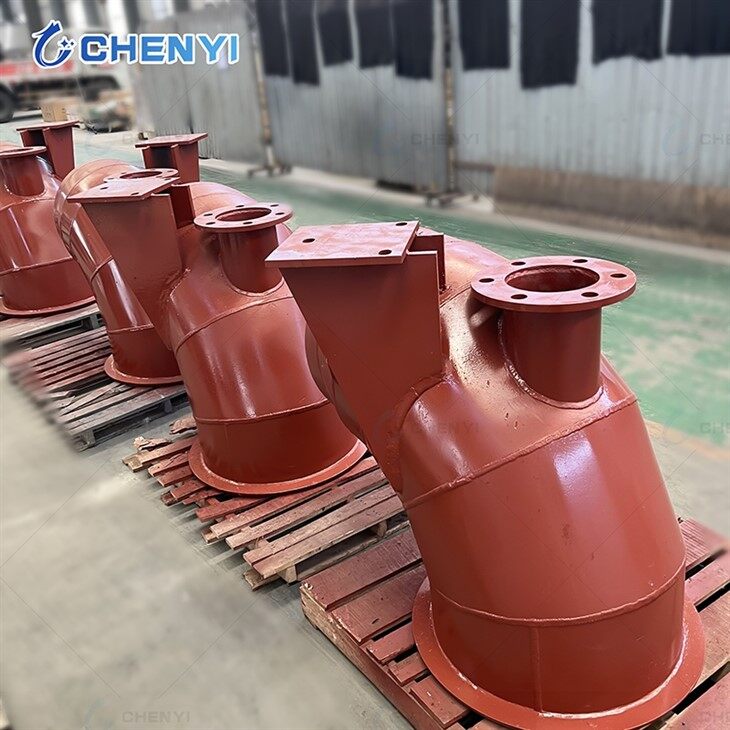
Alumina Ceramic Lining lined pipe is a new type of composite material with international advanced level that was successfully developed and industrialized in the national "863" high-tech technology plan.
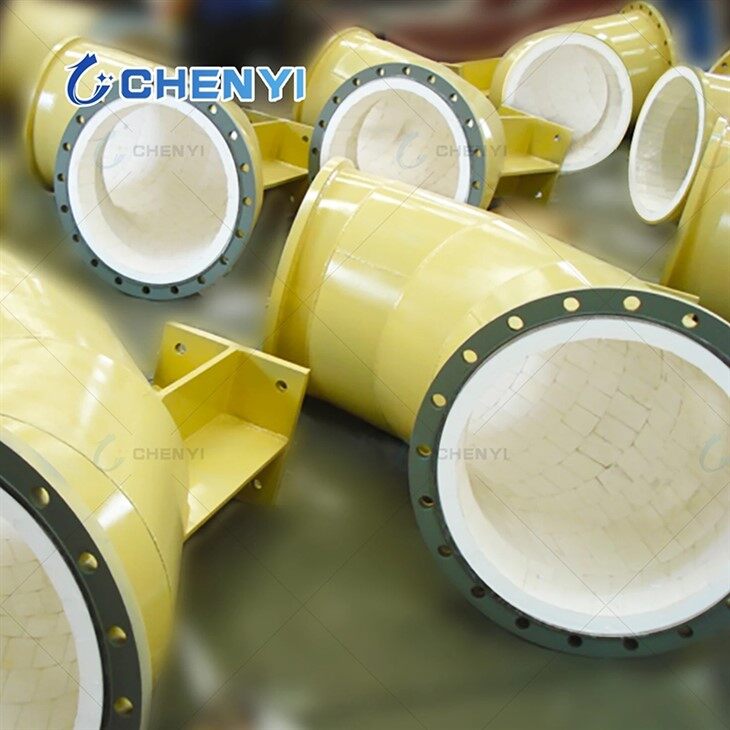
Pipe Fabrication and Ceramic Lining Work
Alumina Ceramic Lining lined pipe is a new type of composite material with international advanced level that was successfully developed and industrialized in the national "863" high-tech technology plan.
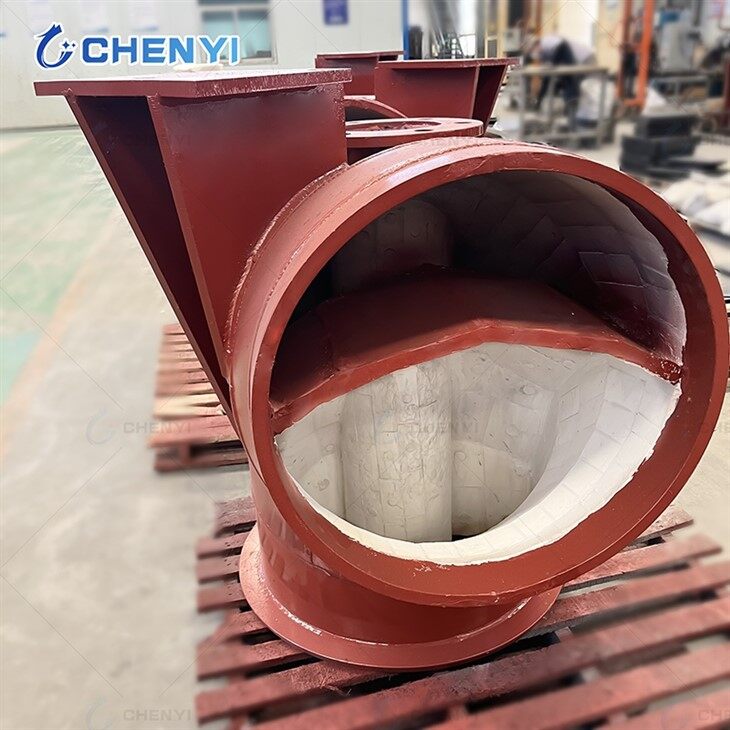
Ceramic Lined Y-Pieces is a new type of composite material with international advanced level that was successfully developed and industrialized in the national "863" high-tech technology plan.
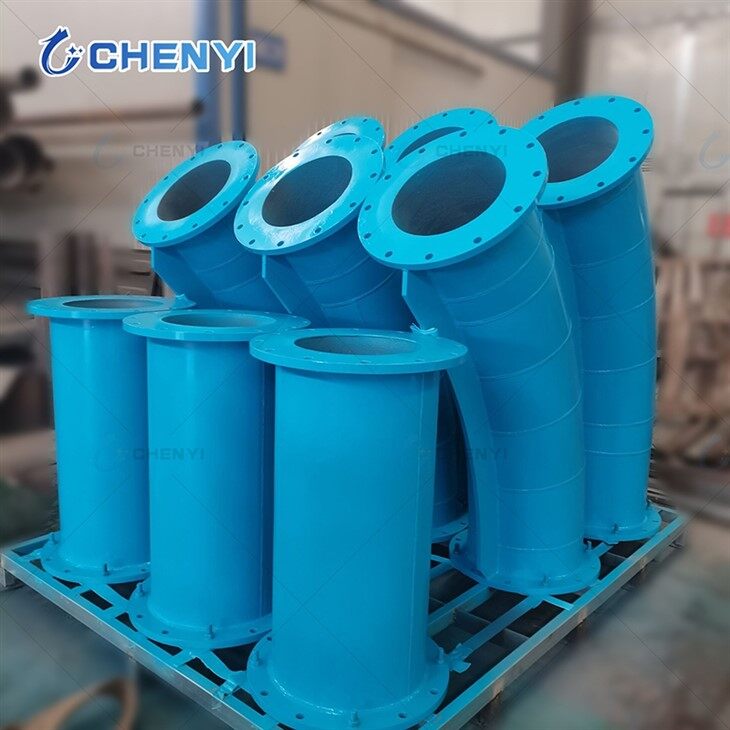
The wear-resistant Stone Lined Swivels is installed on the inner wall of the pipe in the form of pasting, stud welding or dovetail to form a firm anti-wear layer.
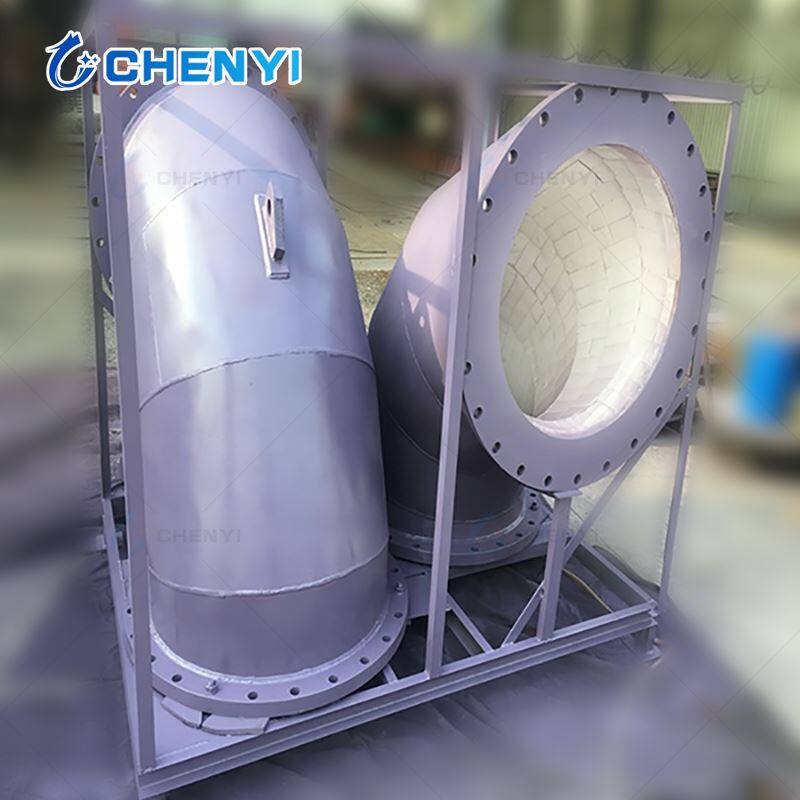
92% Alumina Lined Steel Pipe elbow are designed for extended service life in high wear pneumatic fly ash, bottom ash, bed ash and mill reject conveying applications.
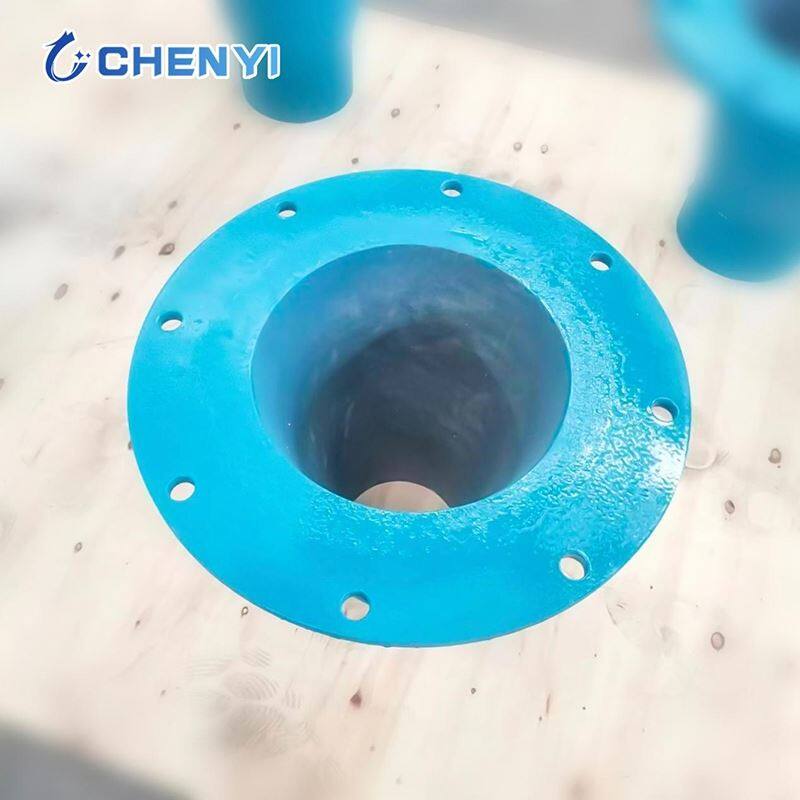
The SiSIC lined steel pipe has high hardness and good wear resistance. The wear resistance of the arched alumina ceramic elbows is 7 times that of stainless steel and 6 times that of cast steel.
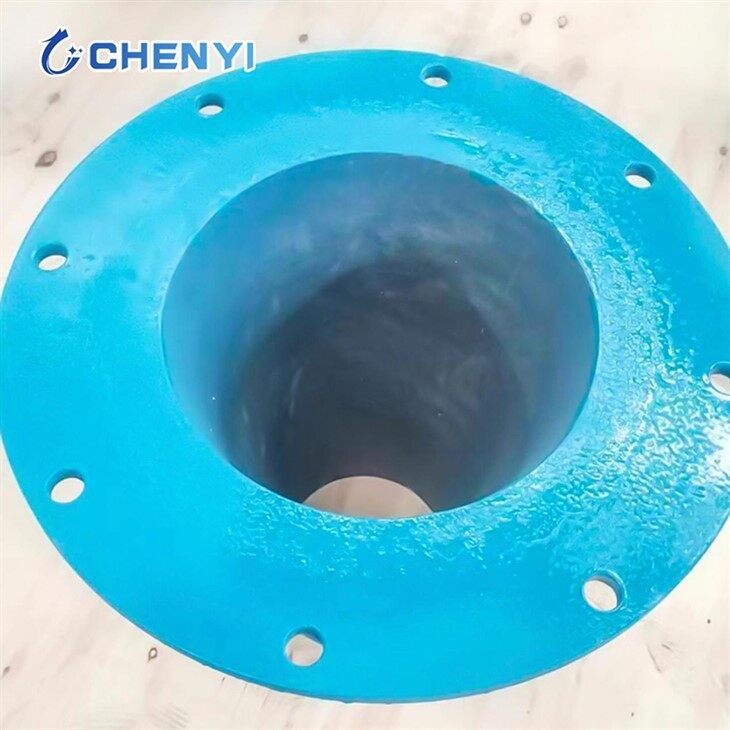
Cast Basalt have high performance of anti-abrasive and anti-corrosion, can be mainly used as the inner linings for various pipelines, chute
CHENYI alumina-lined ceramic pipe is a high-tech new composite material, which was originally developed and put into production in the national "863" high-tech program. The manufacturing process of this pipe uses a technology called Self Spreading High Temperature Synthesis (SHS), which simply means that high temperatures are generated by a thermo-aluminum reaction, which melts the material and then separates the alumina (Al2O3) and iron (Fe) under the action of centrifugal force.
This type of pipe is divided into three layers from the inside out: the innermost layer is corundum ceramic (the main component is alumina), the middle is a transition layer, and the outermost layer is steel pipe. The corundum ceramic layer is formed at temperatures in excess of 2000°C and is very hard and dense. Through the transition layer, the ceramic layer and the steel pipe layer can be tightly bonded together to form a single unit. This design gives the pipe the wear and corrosion resistance of ceramic and the strength and toughness of steel pipe, making it suitable for use in a variety of harsh industrial environments.
Advantages of Alumina Ceramics Lining
Wear resistance: The content of alumina in the ceramic linings of higher than 92%, with a mohs hardness of 9, which has extremely high wear resistance performance, and the wear resistance is ten times higher than that of quenched medium carbon steel, better than that of tungsten carbide.
Corrosion resistance: Alumina ceramic is a neutral material with stable chemical properties, excellent corrosion resistance and acid resistance, resistance to various inorganic acids, organic acids, organic solvents, etc., and its corrosion resistance is more than ten times that of stainless steel .
Excellent heat resistance: Alumina ceramics can withstand temperature above 1500℃, and can work in the condition of -50℃~900℃ for a long time.
Easy to weld: The alumina ceramic lined can be connected by welding the outer steel pipe.
Properties of Alumina Ceramics Lining
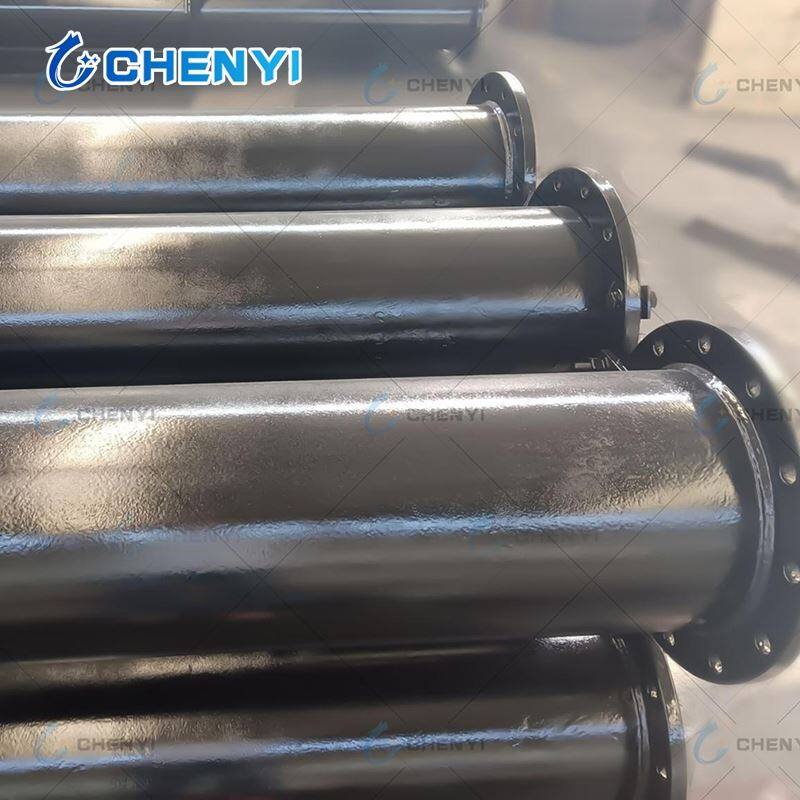
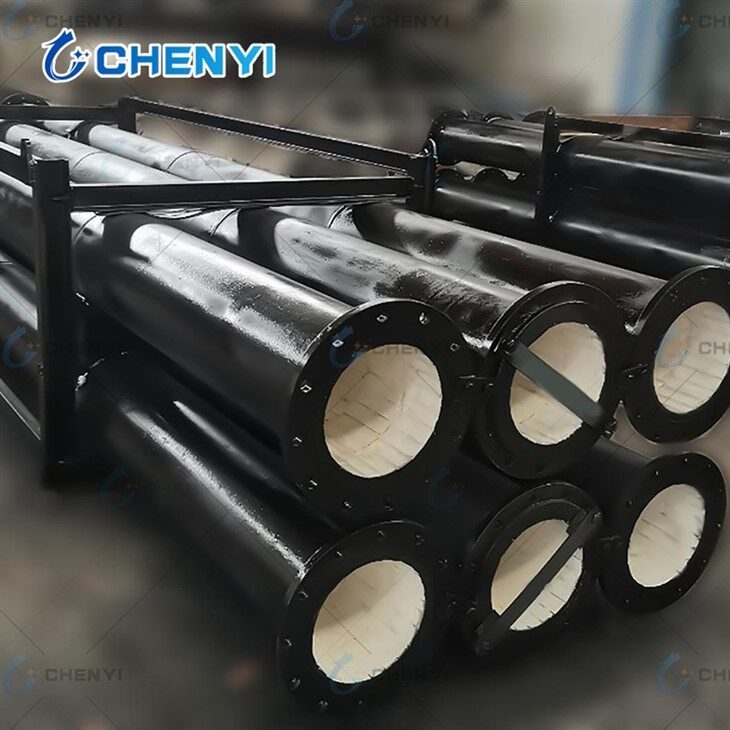
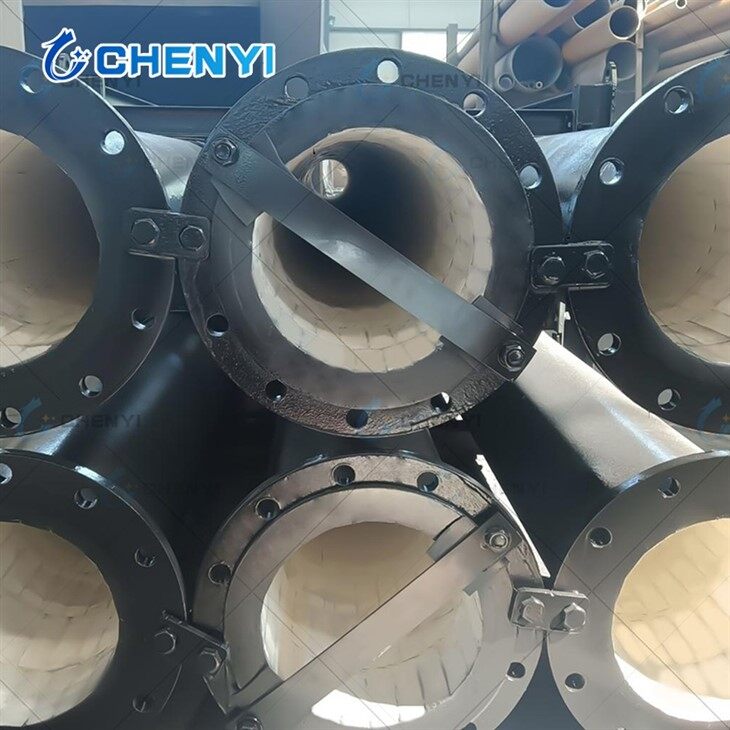
High Temperature Ability
CHENYI Alumina ceramic lined with alumina content of more than 92%, extremely high hardness (Mohs hardness of 9, second only to diamond). Its wear resistance is ten times that of ordinary hardened medium carbon steel, and even stronger than tungsten carbide! This means that when conveying highly abrasive materials such as ores and slag, its service life far exceeds that of traditional pipes.
Abrasion Resistant
CHENYI Alumina ceramics is a chemically very stable material, able to resist the erosion of various acids, alkalis and organic solvents. Whether it is inorganic acid, organic acid, or other corrosive liquids, it can easily cope. Its corrosion resistance is more than ten times that of stainless steel, which is especially suitable for chemical industry, metallurgy and other corrosive environments.
Chemical Resistance
CHENYI Alumina ceramics can withstand high temperatures of more than 1500℃ and can work stably for a long time in the temperature range of -50℃ to 900℃. Whether it is high temperature flue gas or low temperature environment, it can maintain excellent performance.
Density
Density refers to a material's mass divided by its volume, typically expressed in grams per cubic centimeter (g/cm³). In this context, mass is measured in grams and volume in cubic centimeters. The density of a material is inversely related to its volume.
Alumina ceramics are produced from fine particles that minimize the presence of voids in the material. Fewer voids contribute to higher density and volume. For instance, at 77°F (25°C), alumina ceramics have a density of 3.965 g/cm³ at standard atmospheric pressure.
To achieve an optimal wear surface, manufacturers grind the alumina powder to a sub-micron (nanometer) level, resulting in a grain size of less than five microns after firing. Ceramic with 95% alumina content will have a grain size of 30 to 40 microns after firing, leading to larger voids and a higher wear rate. Conversely, ceramic with 87% alumina content will exhibit a grain size of three to five microns after firing, resulting in fewer voids and improved wear resistance.
Mechanical properties: high strength and hardness
Aluminum oxide ceramics are known for their superb strength and hardness. The higher its purity, the greater the strength and hardness. This material is able to withstand a lot of pressure and deformation, making it ideal for use in applications that require high strength and wear resistance.
Thermal conductivity: high temperature resistance and stability
The thermal conductivity of alumina ceramics is not as good as that of metals, but it has one big advantage: a low coefficient of thermal expansion. This means that it is not easily deformed or cracked at high temperatures and is able to maintain stable performance. For example, in high-temperature environments, alumina ceramics can withstand temperatures above 1500°C, making it ideal for use in high-temperature furnaces, heat exchangers, and other equipment.
Electrical insulation: perfect insulating material
Alumina ceramic is an excellent insulating material. It resists the effects of electromagnetic fields and hardly loses energy due to the passage of electric current. This property makes it ideal for use in electronic equipment, circuit boards, etc., especially where high voltages or extreme electrical charges need to be withstood.
Hardness: Superior wear resistance
Alumina ceramics are very hard, even exceeding steel and tungsten carbide. On the Rockwell hardness scale, it ranges from HRA80-90, second only to diamond. This means that it is resistant to mechanical wear and abrasion, making it ideal for use in high wear environments, such as mining equipment, conveying pipelines, and more.
How To Choose The Alumina Ceramics Lining
Aluminum oxide content: the higher the more wear-resistant
The hardness and abrasion resistance of an alumina lining depends mainly on its alumina content. The higher the alumina content, the harder and more wear-resistant the liner. For example, a liner with 92% alumina content is stronger than a liner with 80%, which is especially suitable for high abrasion and high load conditions. If your equipment often handles highly abrasive materials, be sure to choose a liner with high alumina content.
Density and thickness: choose according to your equipment's needs
The durability of the lining is also related to its thickness. Generally speaking, the greater the thickness, the harder and more flexible the liner is, which is suitable for equipment with severe wear. For equipment with less wear and tear, you can choose a thinner lining, which saves costs and meets the needs.
Density
Another important factor in liner durability is thickness. The appropriate liner to use for your equipment will depend on how much wear and tear it receives. In general, tougher and more resilient liners are those with greater thickness. Conversely, lighter equipment is more suited for thinner linings.
Size and shape: tailor-made is more effective
The size and shape of the liner must match the size and shape of the equipment in order to protect it better. If there is no ready-made liner on the market, you can choose to customize it to ensure that the liner fits perfectly with the equipment and minimizes wear and tear.
Surface finish: smooth and even is key
The surface finish of the liner is also important. A smooth and even surface is not only easier to clean, but also prevents abrasives from adhering and reduces corrosion and wear. Therefore, choosing a lining with a smooth surface can further extend the service life of the equipment.
Diameter size detection: accurate measurement, the error does not exceed ± 3mm
Use vernier calipers to measure the diameter of the grinding ball from different angles and take the average value. If the size deviation is within ±3mm, it is judged as a qualified product. This step ensures the consistency of the size of the grinding balls and avoids the influence of the grinding effect due to the size deviation.
Appearance inspection: no dents, no cracks
Each grinding ball should be inspected to ensure that there are no obvious dents, cracks and other defects on the surface. Only the perfect appearance of the grinding ball can enter the next process, this step ensures the overall quality of the grinding ball.
Water absorption rate test.
Wear and tear test: simulate the actual use environment
Take 10 kg of alumina grinding balls, put them into a small grinding machine, add 8 kg of water and grind them continuously for 48 hours. By measuring the weight change before and after grinding, the wear amount is calculated. This step simulates the actual use environment and ensures that the grinding balls remain efficient over a long period of time.
Purity test: spectrophotometric analysis
All the elements in the grinding balls are analyzed spectrophotometrically. After subtracting the amount of impurities and the amount of combustion loss, the purity content of the alumina ceramic remains. This step ensures the high purity of the grinding balls, thus guaranteeing their wear resistance and service life.
What Should Be Paid Attention to When Using Alumina Ceramics Lining
Alumina ceramic lining is a high-performance material specially designed to protect equipment and improve wear resistance. It is mainly made of alumina (Al₂O₃), sintered at a high temperature of 1700 ℃, high hardness, abrasion resistance, is widely used in thermal power, iron and steel, mining, chemical industry, cement and other industries in the coal transmission, transmission, powder, dust removal and other systems. If you want to make the equipment in the harsh environment "long life", choose the right alumina ceramic liner is the key!
Use of the environment: corrosion-resistant, wear-resistant, but also depends on specific conditions
Alumina ceramic lining is corrosion and wear resistant, which is ideal for harsh environments such as chemical, cement and mining. However, the temperature, humidity and corrosive substances in the environment will affect its performance. For example, high-temperature environments may require higher purity alumina liners, while humid environments require better sealing. Therefore, the choice should be "customized" according to the actual environment.
Working conditions: impact resistance, abrasion resistance, hardness to match
The working conditions of the equipment is also an important factor in the choice of liner. For example, fast running, impact force of the equipment, the need for higher hardness, impact resistance of the liner; and smooth running of the equipment, you can choose a moderate hardness, better economy of the liner. In short, the more demanding working conditions, the higher the performance requirements of the liner.
Size: fit the equipment, reduce wear and tear
The size of the liner must be matched to the equipment to ensure complete coverage of the equipment surface and reduce wear caused by gaps. If the equipment has a special shape, customized liners are also available to ensure that every part is protected.
Aluminum content: the higher the purity, the better the performance
The aluminum content of an alumina liner directly affects its hardness, abrasion resistance and high temperature resistance. The higher the aluminum content, the stronger the performance of the liner, but the higher the cost. Therefore, the choice should be based on the specific needs of the equipment to balance performance and cost. For example, a high abrasion environment requires a liner with high aluminum content, while an ordinary environment can choose a product with slightly lower aluminum content.
In the high-temperature, high-pressure, corrosive industrial environment, equipment and pipelines are often faced with serious wear and aging problems. The alumina ceramic lined pipe, like a pipe to wear a "super protective clothing", become the savior of many enterprises. This kind of pipe is not only resistant to high temperature and corrosion, but also able to withstand high pressure and high speed material impact, become the industrial field of "anti-manufacturing magic weapon".
Simply put, it is in the ordinary metal pipe wall pasted with a layer of alumina ceramic "composite pipe". The outer metal pipe provides strong support, while the inner ceramic layer acts as "armor" to protect the pipe from wear and tear or corrosion. This design combines the strength of metal with the superior performance of ceramics, making it particularly suitable for transporting high-temperature fluids, corrosive liquids, or highly abrasive materials (such as ores, slag, etc.).
Acid and alkali corrosion are not afraid.
Wear resistance is comparable to "diamond".
Save time, labor and money.
How is it made? The key is in the "injection molding process".
The "secret of longevity" of industrial pipelines.
Alumina ceramic lined pipe has become a star product in the industrial field by virtue of the three tricks of "high temperature resistance, corrosion resistance and super wear resistance". It can not only protect the equipment pipeline in the harsh environment, "live longer", but also enhance productivity and reduce maintenance costs. For mining, electric power, chemical industry and other enterprises, the choice of this pipeline, is equal to the production line equipped with a "diamond cover" - both worry, and save money!
Production Process of Alumina Ceramics Lining
Alumina Ceramics Lining are currently divided into two types: high-purity type and ordinary type. High purity alumina ceramic series Al2O3
Ceramic materials with a content of more than 99.9%, because their sintering temperature is as high as 1650-1990 ℃, and the transmission wavelength is 1 to 6 μm, they are generally made into molten glass to replace platinum crucibles: use its light transmittance and alkali metal corrosion resistance as Sodium lamp tube; can be used as an integrated circuit substrate and high-frequency insulating material in the electronics industry. Ordinary alumina ceramics are divided into 99 porcelain, 95 porcelain, 90 porcelain, 85 porcelain and other varieties according to different Al2O3 content. Sometimes those with 80% or 75% Al2O3 content are also classified as ordinary alumina ceramic series.
The alumina powder entering the factory is prepared into powder materials according to different product requirements and different molding processes. The particle size of the powder is below 1μm. If high-purity alumina ceramic products are manufactured, in addition to the alumina purity of 99.99%, ultrafine pulverization and uniform particle size distribution are required. When using extrusion molding or injection molding, a binder and a plasticizer should be introduced into the powder, generally a thermoplastic plastic or resin with a weight ratio of 10-30%. The organic binder should be at 150-200℃ with alumina powder. Mix uniformly at temperature to facilitate the molding operation. The powder raw material formed by the hot pressing process does not need to add a binder. If semi-automatic or fully automatic dry pressing is used, there are special technological requirements for the powder, and the powder needs to be processed by spray granulation to make it spherical, so as to improve the fluidity of the powder and facilitate the automatic filling of the mold during the molding. wall. In addition, in order to reduce the friction between the powder and the mold wall, it is necessary to add 1 to 2% of lubricants, such as stearic acid and binder PVA.
Alumina ceramic products molding methods include dry pressing, grouting, extrusion, cold isostatic pressing, injection, casting, hot pressing and hot isostatic pressing. In recent years, molding technology methods such as filter press molding, direct solidification injection molding, gel injection molding, centrifugal grouting and solid free molding have been developed at home and abroad. Different product shapes, sizes, complex shapes and precision products require different molding methods.
The technical method of densifying the granular ceramic body and forming a solid material is called sintering. Sintering is a method of removing the voids between particles in the green body, removing a small amount of gas and impurity organic matter, so that the particles can grow and combine with each other to form a new substance.
The heating device used for firing is the most widely used electric furnace. In addition to atmospheric sintering, namely pressureless sintering, there are also hot pressing sintering and hot isostatic pressing sintering. Although continuous hot-pressing sintering increases the output, the equipment and mold costs are too high. In addition, due to the axial heating, the length of the product is limited. Hot isostatic pressing uses high temperature and high pressure gas as the pressure transmission medium, which has the advantage of uniform heating in all directions, and is very suitable for sintering products with complex shapes. Due to the uniform structure, the material performance is 30-50% higher than that of cold-pressed sintering. 10-15% higher than general hot pressing sintering.
Some alumina ceramic materials still need finishing after sintering. For example, products that can be used as artificial bones require a high surface finish, like a mirror surface, to increase lubricity. Due to the high hardness of alumina ceramic material, it is necessary to use harder grinding and polishing tile materials for finishing. Such as SIC, B4C or diamonds and so on. Usually use coarse to fine abrasives to grind step by step, and finally the surface is polished. Generally, Al203 powder or diamond paste of <1μm micron can be used for grinding and polishing. In addition, laser processing and ultrasonic processing, grinding and polishing methods can also be used.
FAQ


