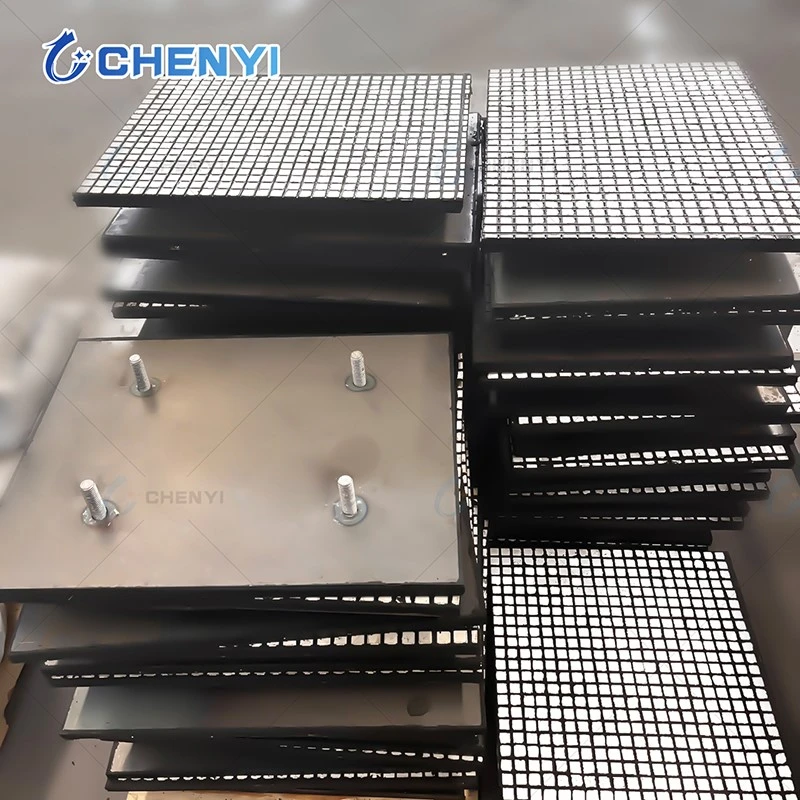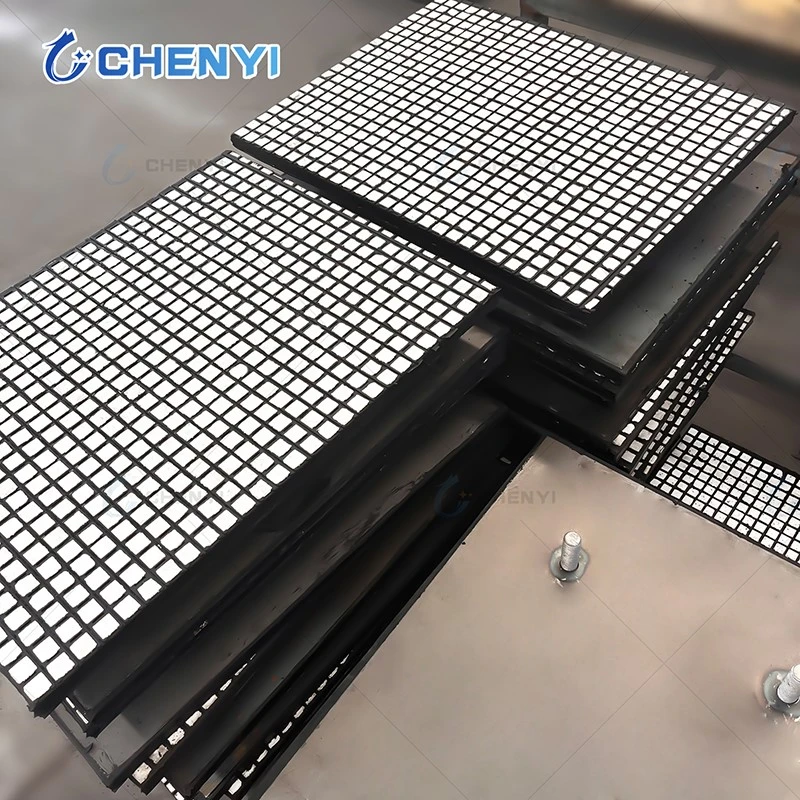
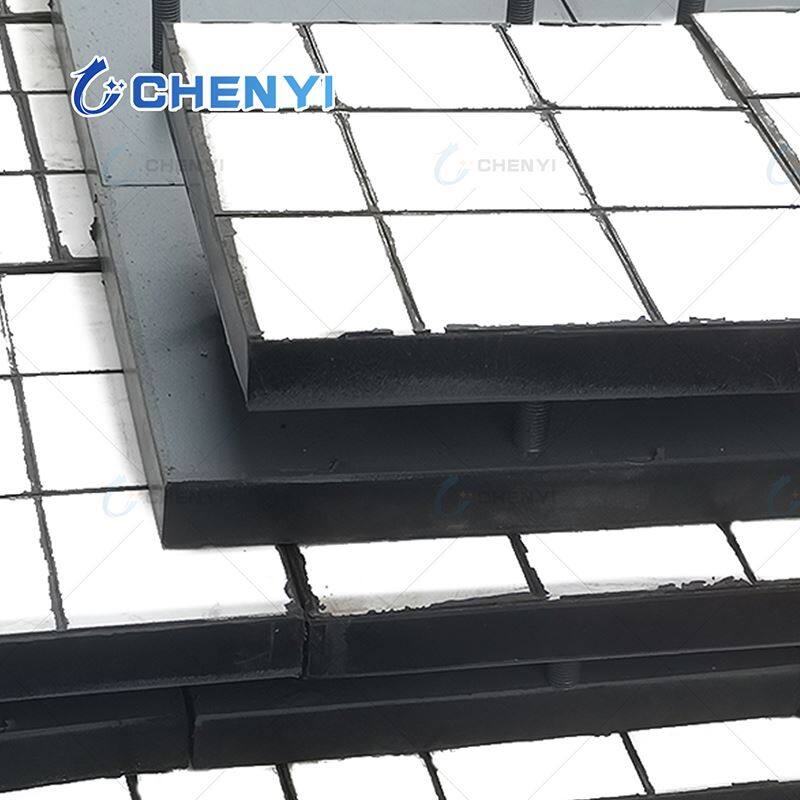
Zibo Chenyi Advanced Materials Co., Ltd. is one of the leading manufacturers and suppliers of vulcanized rubber alumina liner in China, also supports customized service. If you're going to buy CE approved vulcanized rubber alumina liner made in China, welcome to get quotation from our factory. Quality products and low price are available.
Product Brief
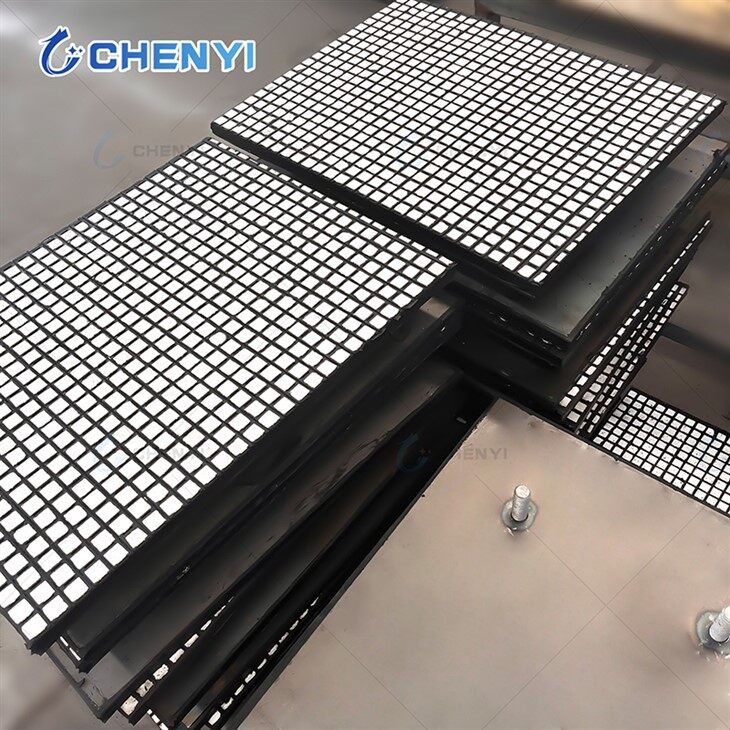
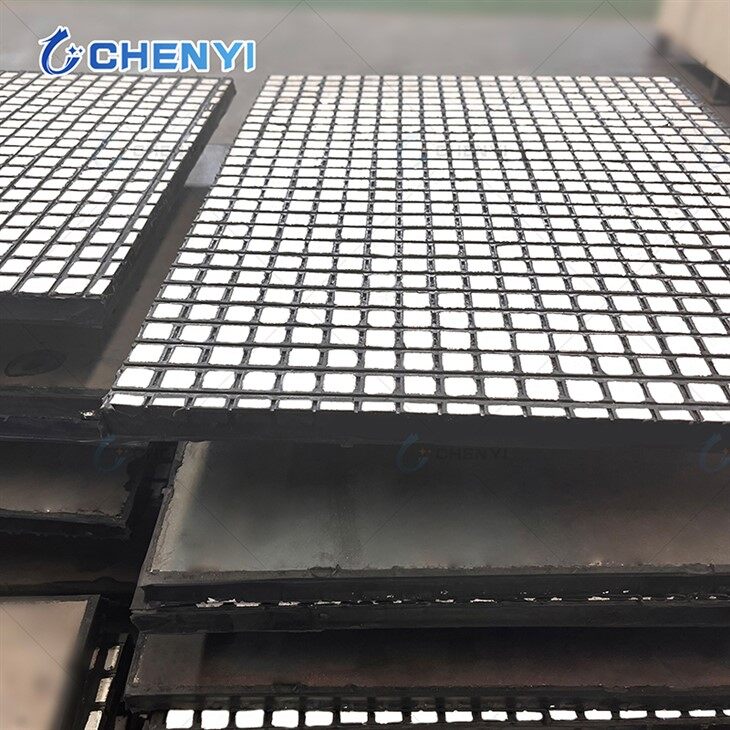
Vulcanized Rubber Alumina Liner is a heavy-duty wear protection solution combining ultra-hard alumina ceramics with elastic rubber through hot vulcanization. It is designed for high-impact and abrasive environments, delivering extended service life, reduced maintenance, and reliable performance in demanding material handling systems.
Product Overview
A Vulcanized Rubber Alumina Liner is a composite wear liner produced by permanently bonding high-purity alumina ceramic tiles to rubber using a hot vulcanization process. Unlike conventional glued liners, the ceramic and rubber are integrated at the molecular level, forming a unified structure with superior impact absorption, abrasion resistance, and long-term bonding reliability. This type of liner is widely used as an abrasion rubber ceramic liner, rubber ceramic wear liner, and impact-resistant ceramic liner in harsh industrial applications.
Regular Size
|
Normal Size |
50~800 |
The detailed specifications are based on factual conditions |
|
Thickness of Wear-resistant Ceramic Liner(mm) |
3~50 |
|
|
Thickness of Rubber |
4~8 |
Remark: Other sizes are available upon request.
Technical Data
|
Name |
Project |
Unit |
Index |
|
Rubber |
Fracture Toughness |
20"C, Mpa% |
3.65 |
|
Thermal Shock Resistance |
ATc,°C |
250 |
|
|
Surface Roughness |
um |
V.9 |
|
|
Density |
g/cm3 |
≥1.2 |
|
|
Elongation |
% |
500 |
|
|
Tensile Strength |
Mpa |
18 |
|
|
Shore Hardness |
HA |
60±5 |
|
|
Peel Strength |
Mpa |
212 |
|
|
Temperature Range |
℃ |
-40-120 |
|
|
Steel |
Carbon Steel Plate |
Gpa |
Q235B,A36,SUS304 |
|
Thickness |
3-20 |
||
|
Bolt |
High Strength Bolts |
4.8Z8.8 |
|
|
Abrasion Resistance |
P=74N. n=800rpm. t=30min |
0.0005g |
|
|
Category |
CY90 |
CYT92 |
CY95 |
CYT95 |
CY99 |
CY-ZTA |
ZrO2 |
|
Al2O3 |
≥90% |
≥92% |
≥95% |
≥ 95% |
≥ 99% |
≥75% |
/ |
|
ZrO2 |
/ |
/ |
/ |
/ |
/ |
≥21% |
≥95% |
|
Density |
≥3.50g/ cm3 |
≥3.60g/cm3 |
≥3.65g/cm3 |
≥3.70g/cm3 |
≥3.83g/cm3 |
≥4.10g/cm3 |
≥5.90g/cm3 |
|
Water Absorption |
≤0.1% |
≤0.1% |
≤0.1% |
≤0.1% |
≤0.1% |
≤0.1% |
≤0.1% |
|
HV 20 |
≥900 |
≥950 |
≥1000 |
≥1100 |
≥1200 |
≥1350 |
≥1100 |
|
Rock Hardness HRA |
≥80 |
≥82 |
≥85 |
≥88 |
≥90 |
≥90 |
≥88 |
|
Bending Strength MPa |
≥180 |
≥220 |
≥250 |
≥300 |
≥330 |
≥400 |
≥800 |
|
Compression strength MPa |
≥970 |
≥1050 |
≥1300 |
≥1600 |
≥1800 |
≥2000 |
/ |
|
Fracture Toughness KIc MPa 1/2 |
≥3.5 |
≥3.7 |
≥3.8 |
≥4.0 |
≥4.2 |
≥4.5 |
≥7.0 |
|
Wear Volume |
≤0.28 cm3 |
≤0.25cm3 |
≤0.20cm3 |
≤0.15cm3 |
≤0.10 cm3 |
≤0.05cm3 |
≤0.02cm3 |
Application Scenarios
Vulcanized rubber alumina liners are specifically designed for areas exposed to both heavy impact and continuous abrasion:
Mining & Quarrying: transfer point wear liner systems, chute liners, crusher discharge zones.
Coal Handling Systems: coal chutes, bunkers, and conveyor loading areas.
Bulk Material Conveying: impact beds, hopper liners, and belt conveyor feed points.
Cement & Power Plants: raw material chutes, clinker handling equipment, and ash systems.
Ports & Steel Plants: ore transfer stations and aggressive material drop zones.
These liners perform exceptionally well where conventional ceramic steel liners fail due to impact cracking.
Key Features (FABE – Features)
1. Hot Vulcanized Composite Structure
The rubber and alumina ceramic are bonded through high-temperature vulcanization, creating a permanent interface that prevents ceramic tile detachment under vibration and shock.
Evidence: Vulcanized bonding strength is significantly higher than cold adhesive systems, ensuring long-term operational safety.
2. High-Hardness Alumina Ceramic Tiles
Utilizes 92%–95% alumina ceramics with Mohs hardness up to 9, delivering outstanding abrasion resistance against sharp and hard materials.
3. Excellent Impact Energy Absorption
The elastic rubber layer effectively absorbs impact energy, reducing stress concentration on ceramic tiles and preventing cracking.
4. Modular and Flexible Design
Available in square and hex ceramic rubber plate structures, allowing a precise fit for curved chutes, hoppers, and complex equipment surfaces.
5. Noise & Vibration Reduction
Compared with steel liners, rubber-backed alumina liners significantly reduce operational noise and equipment vibration.
Advantages (FABE – Advantages & Benefits)
✓ Longer Service Life in Impact Zones
Outperforms steel liners and traditional ceramic steel liners in high-impact areas, extending replacement cycles several times.
✓ Reduced Maintenance & Downtime
Strong vulcanized bonding minimizes tile loss and liner failure, reducing unscheduled shutdowns.
✓ Lower Total Cost of Ownership
Although the initial cost may be higher, reduced labor, downtime, and spare-part consumption deliver long-term economic benefits.
✓ Safer Operation
Rubber-backed structures reduce rebound and material splash, improving workplace safety.
✓ Custom Engineering Solutions
Thickness, rubber hardness, ceramic size, and liner geometry can be customized for specific operating conditions.
Our Services
- Professional wear analysis & liner selection guidance
- Custom design for chutes, hoppers, and transfer points
- OEM manufacturing for rubber ceramic liner systems
- On-site installation technical support
- Strict quality inspection under ISO-certified management
Call to Action (CTA)
Struggling with frequent liner failure in high-impact zones?
Contact us now to get a customized Vulcanized Rubber Alumina Liner solution and extend your equipment life effectively.
FAQ
1. What is the difference between vulcanized and glued rubber ceramic liners?
Vulcanized liners integrate rubber and ceramic through heat and pressure, creating a permanent bond. Glued liners rely on adhesives, which may fail under high impact, vibration, or temperature fluctuations.
2. Is this liner suitable for high-impact applications?
Yes. The rubber layer absorbs impact energy while alumina ceramics provide abrasion resistance, making it ideal for transfer points and chute liners.
3. Can the liner be customized for different equipment?
Absolutely. We customize ceramic size, rubber thickness, backing structure, and liner shape according to your equipment and operating conditions.
4. How long does a vulcanized rubber alumina liner last?
Service life depends on material characteristics and operating conditions, but it typically lasts 5–10 times longer than traditional steel liners in similar environments.
5. What installation methods are available?
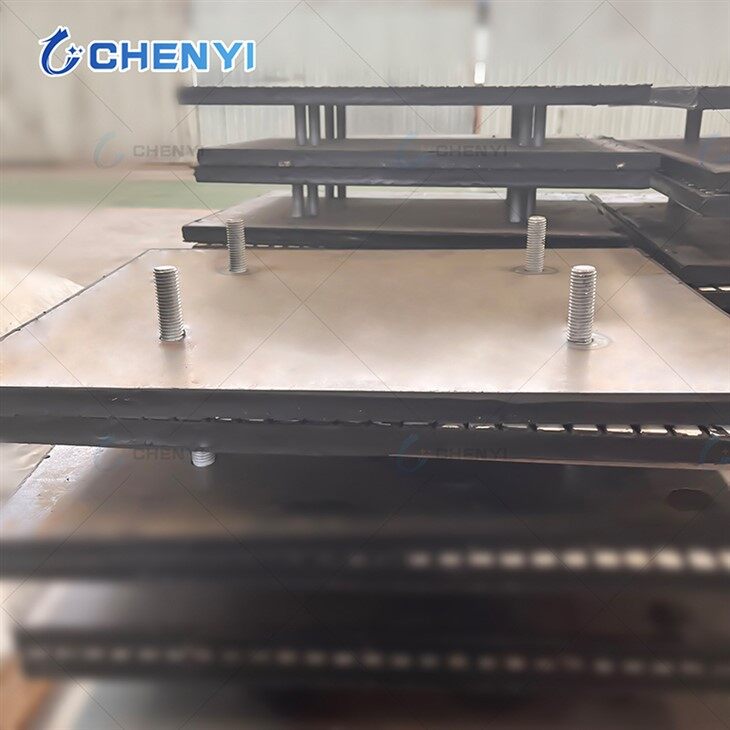
Liners can be supplied with bolt-on, stud-weld, or adhesive-assisted installation options depending on site requirements.