


Zibo Chenyi Advanced Materials Co., Ltd. is one of the leading manufacturers and suppliers of alumina ceramic grinding ball in China, also supports customized service. If you're going to buy CE approved alumina ceramic grinding ball made in China, welcome to get quotation from our factory. Quality products and low price are available.
Zibo Chenyi Advanced Materials Co., Ltd is a high-tech enterprise including scientific research, manufacture and trading. We have a high quality research team and experienced design, production & fabrication team, also had established a close cooperative relationship with scientific research institutions and institutions of universities and colleges. Our company have been always working on the technology development, product design & manufacture, and site operation for the wear resistant materials and carbon fiber products to provide customers with good quality products and perfect solution.
Why Choose Us
Our Factory
We own full set of advanced production equipment, with advanced production technology and raw materials in domestic and abroad to provide tailor-made solutions for each customer.
Our Product
Rubber ceramic liner, polyurethane ceramic liner, ceramic pulley lagging, ceramic lined pipe, alumina ceramic product, silicon carbide product, ZTA product and other wear resistant product.
Our Certificate
ISO9001, 3 patents, UDEM, TUV.
Production Market
Australia, America, Germany, Japan, Kazakhstan, Italy, Belgium,UK, Denmark and other marketing.
Product Application
Coal-conveying system, coal pulverizing system, dust removing system, dust disposing system and mineral processing system.
Our Service
Various high-quality wear-resistant materials are available for selection, scheme design and production, on-site construction guidance. Very comprehensive after-sales support.
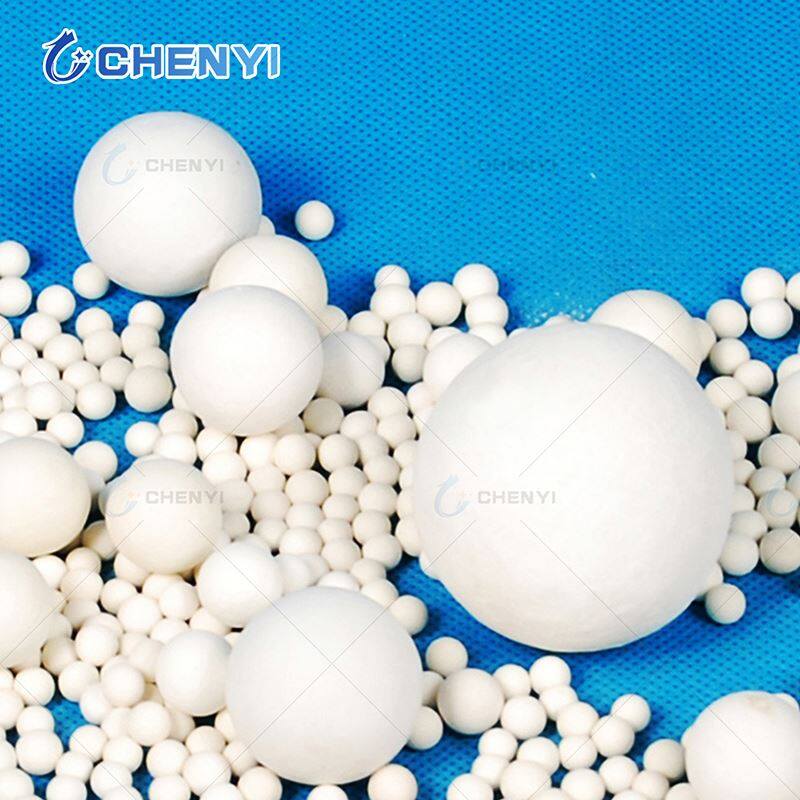
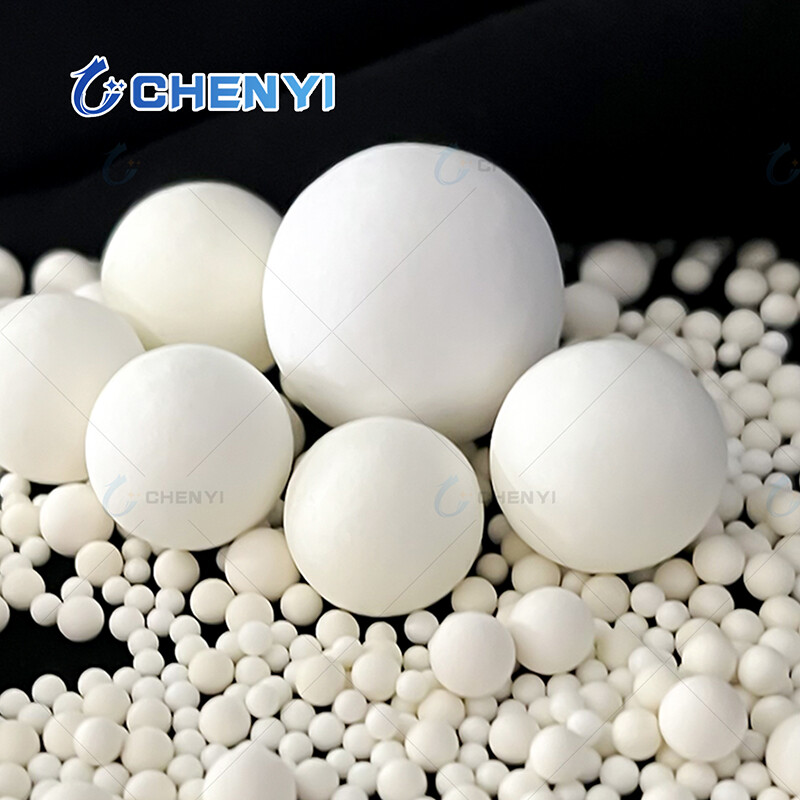
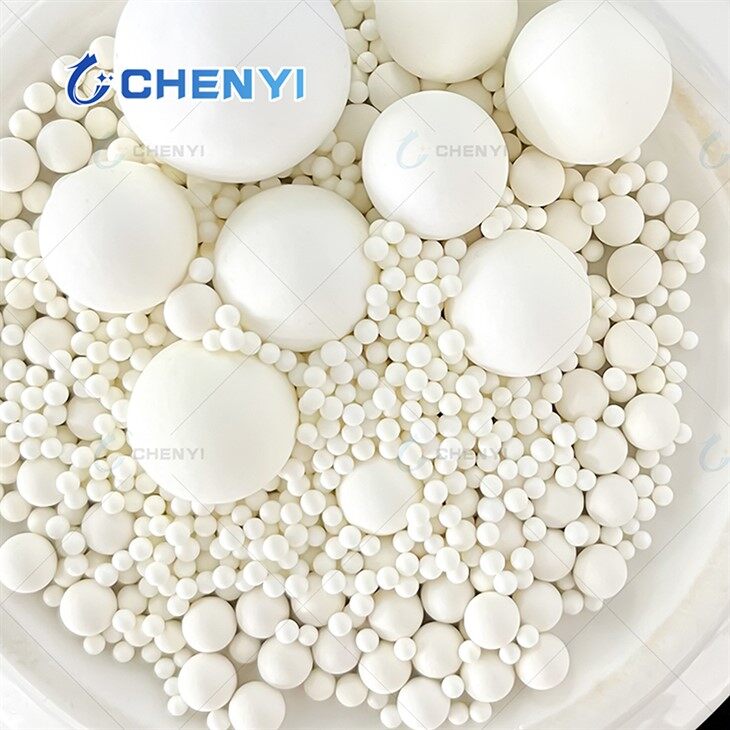
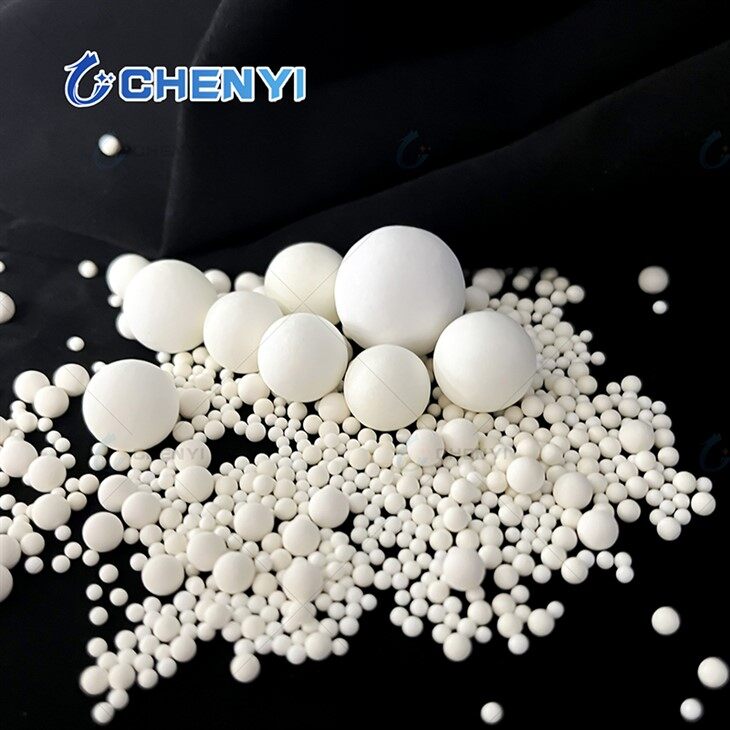
Ceramic Grinding ball is the grinding body of ball mill, pot mill, vibration mill and other fine grinding equipment. It has the advantages of high hardness, large volume density, corrosion resistance and so on. Its crushing efficiency and wear resistance are better than ordinary nodules and natural cobblestones.
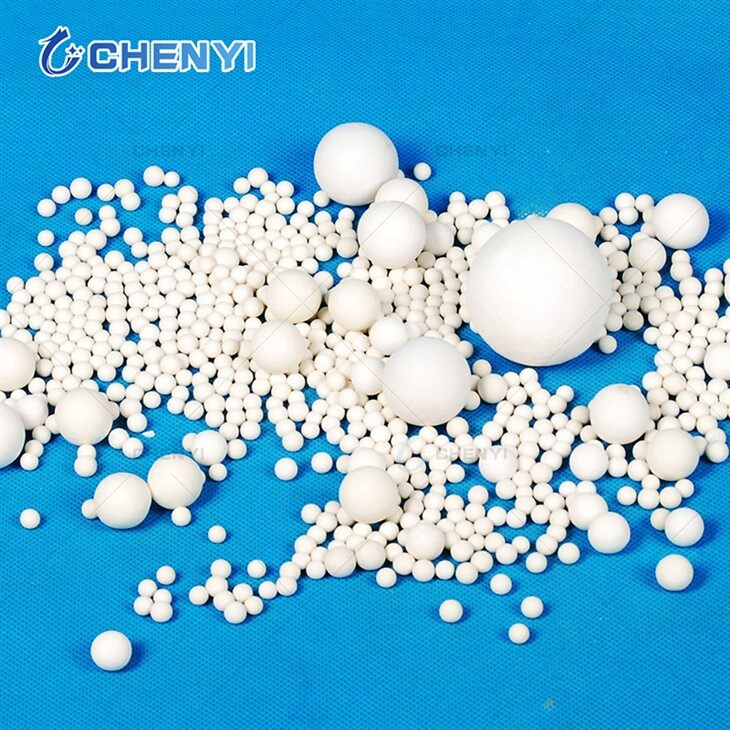
They are the perfect high-efficient grinding media for grinding glaze, pigment, ceramic materials, and various mine ore powder, they are widely used in ceramics, cements, paints, refractories, inorganic mineral powders industries.
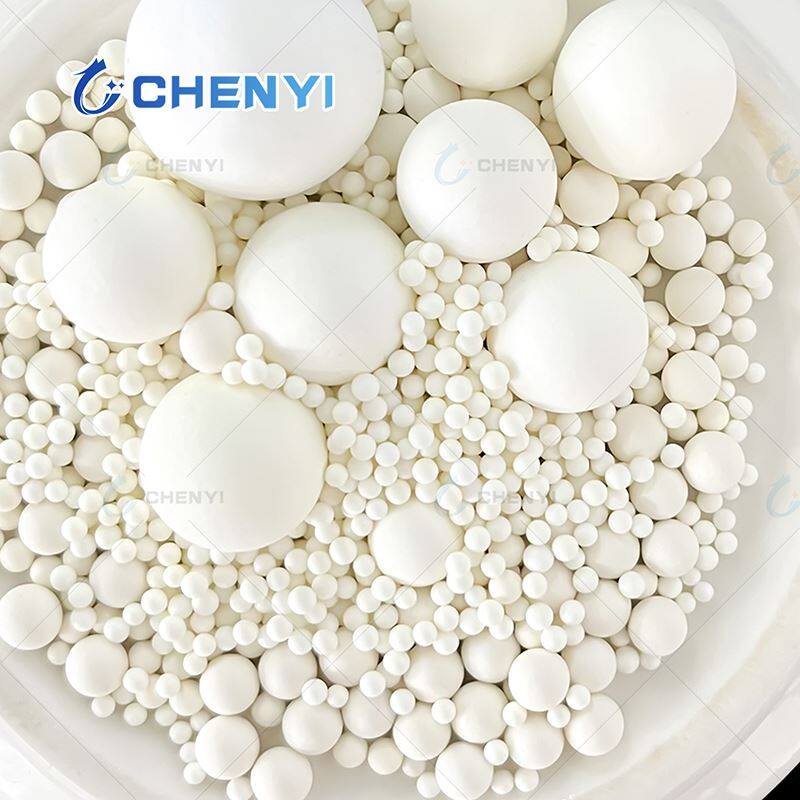
They are the perfect high-efficient grinding media for milling glaze/frit, pigment, ceramic materials, and various mine ore powder, they are using ceramics, cements, paints, refractories, inorganic mineral powders etc.
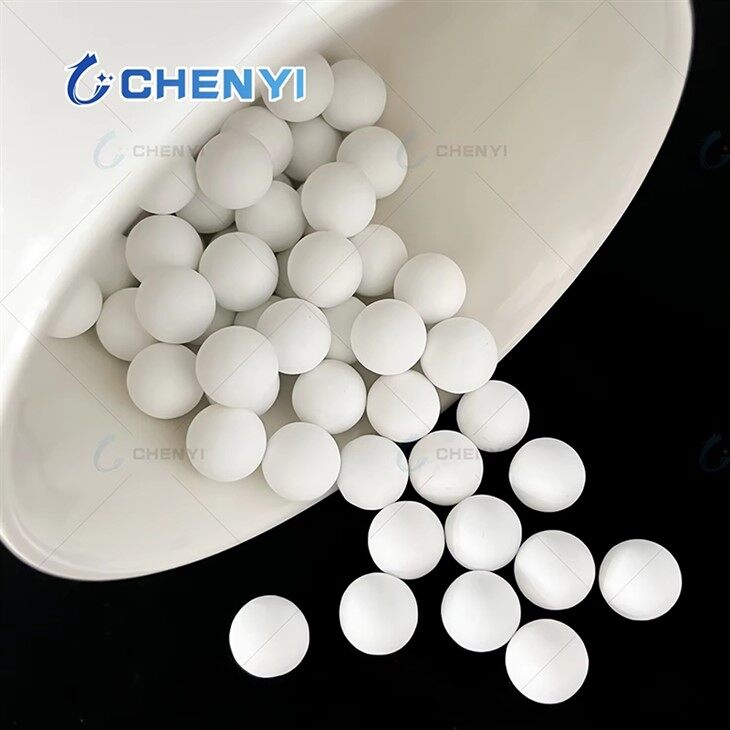
Alumina ball is applied for dry grinding , wet grinding ,mineral grinding , quartz grinding , lineston grinding , iron ore grinding , cement grinding , ceramics plants grinding , pigment grinding , mineral ore grinding , breaking platns.
Alumina ceramic grinding ball is featured by high density and hardness, low wear lost, corrosion-resistance etc. They are the perfect high-efficient grinding media for grinding glaze, pigment, ceramic materials, and various mine ore powder.Aluminum ball is the grinding body of ball mill, pot mill, vibration mill and other fine grinding equipment. It has the advantages of high hardness, large volume density, corrosion resistance and so on. Its crushing efficiency and wear resistance are better than ordinary nodules and natural cobblestones. It is widely used in ceramics, enamel, pigments, chemical industries and so on.
Advantages of Alumina Ceramic Grinding Ball
1. The main composition of it is high quality alumina with high whiteness, which does not affect the quality of grinding materials. It has high hardness. The Rockwell hardness of it is HRC80-90, which is second to diamond, and exceeds the wear-resistant steel.
2. Adopt isostatic pressing and rolling forming technology, which can greatly improve grinding efficiency, reduce grinding time, and effectively increase the effective volume of ball mill, thus increase the adding quantity of grinding materials.
3. Good wear resistance. The wear resistance of it is 266 times as much as that of manganese steel.
4. It can withstand high temperature more than 1000 degrees, and has good acid resistance, alkali resistance and corrosion resistance.
Alumina Ceramic Grinding Ball vs. Steel Grinding Balls
Efficiency and Effectiveness
Ceramic grinding balls, with their smooth surface and lower density, can accelerate the grinding process by reducing friction and wear on the mill components, leading to faster processing times and lower energy consumption. Their inert nature also minimizes the risk of chemical interactions with the material being ground, ensuring the purity and quality of the final product. In contrast, steel balls, owing to their higher density and impact strength, are more effective in breaking down harder materials, making them indispensable in industries such as mining and cement manufacturing.
Wear Resistance and Durability
Ceramic grinding balls boast exceptional wear resistance, significantly extending their service life and reducing the need for frequent replacements. This durability also means less contamination of the ground materials, a crucial factor in pharmaceuticals and food processing. Steel balls, while durable, tend to wear more quickly in high-impact environments, potentially leading to higher operational costs over time due to more frequent replacements and maintenance.
Impact on Ground Materials
The material composition of grinding balls can influence the purity and characteristics of the ground material. Ceramic balls, being chemically inert, prevent any risk of contamination, which is particularly important in the manufacturing of electronics, pharmaceuticals, and food products. Steel balls, although generally safe, can introduce metallic contamination in certain conditions, especially when grinding acidic or basic materials, which may not be acceptable in some applications.
Operational Considerations
The operational success of grinding processes is heavily influenced by the suitability of the grinding media to the specific conditions and requirements of the operation. This necessitates a careful consideration of the types of grinding operations and the environmental factors that might affect the performance and durability of ceramic and steel grinding balls.
Application Suitability
Ceramic grinding balls are particularly advantageous in high-precision applications requiring minimal contamination, such as in the pharmaceutical, food processing, and semiconductor industries. Their resistance to wear and chemical inertness make them ideal for both dry and wet grinding operations where purity and precision are paramount.
On the other hand, steel grinding balls are better suited for heavy-duty operations involving the grinding of hard materials, such as in mining and cement production. Their superior impact strength and durability make them the preferred choice for both dry grinding, where their robustness can handle the high impact of materials, and wet grinding, where their weight aids in the efficient breakdown of materials.
Environmental Factors
The performance of grinding balls is also affected by environmental conditions such as temperature and humidity. Ceramic balls, with their ability to withstand high temperatures and resist corrosion, maintain their integrity and performance in a wider range of environmental conditions, including high-temperature and corrosive environments. Steel balls, while generally robust, may be more susceptible to corrosion in humid or corrosive environments unless specifically treated or manufactured from corrosion-resistant alloys.
Economic Factors
Economic considerations play a crucial role in the selection of grinding balls for industrial applications. The decision between ceramic and steel grinding balls involves not only an assessment of their initial purchase price but also an evaluation of their cost-effectiveness over time, factoring in maintenance and replacement needs.
Cost Analysis
Initially, ceramic grinding balls typically present a higher purchase price than steel balls due to the more complex manufacturing processes and the higher cost of raw materials. However, their superior durability and lower wear rate often translate into a lower total cost of ownership over time. Ceramic balls can operate for extended periods without the need for replacement, making them a cost-effective option for processes where minimal contamination and high purity are essential.
Maintenance and Replacement
The maintenance needs for ceramic grinding balls are significantly lower than for steel balls, primarily due to their resistance to wear, corrosion, and thermal changes. This reduces downtime for maintenance and the frequency of ball replacement, contributing to a reduction in long-term operational costs. Steel balls, while initially more affordable, may require more frequent replacements in harsh environments or high-impact applications, leading to increased maintenance costs and potential production delays.
What Problems Will Occur During The Use Of Alumina Ceramic Grinding Ball
Ceramic grinding balls are widely used in the industrial field because of their high hardness, high strength and low wear. The alumina ground down is a neutral material and will not pollute the final raw materials. There will be a certain probability of inappropriateness or problems in the actual use process. Sometimes it is a product quality problem, sometimes it is a selection problem, and there are also damage to the product itself caused by changes in working conditions.
Black spots on the surface of the grinding ball: Ceramic grinding balls have pipelines to transport materials during the preparation process, and there will be iron removal processes in the later stage. Some balls will have black spots. For example, the pharmaceutical industry has strict requirements on impurities in the final product and will have secondary selection.
Excessive wear and breakage during grinding and use: First, whether the alumina grinding ball meets the national standard strength, density and wear. First check whether it is a product quality problem, and then look at the selection. The ball mill generally selects one to four models according to the size and feed and discharge particle size. The difference between the models is generally added in sequence. If the jump increase will lead to a large difference between the grinding balls, and there will be a phenomenon of large balls hitting small balls between the two grinding balls. There is no grinding material and the self-wear is too large.
The dry grinding environment has more technical requirements for grinding balls than the wet grinding environment, so the quality stability of ceramic grinding balls must be good, each production process must be standardized to reduce human factors, the process inspection must be strict and in place, and each step of processing must be standardized, so as to ensure the use of the final product.
Diameter size detection and measurement
Use a vernier caliper to measure the average value from different angles. The maximum allowable range of dimensional deviation is within ±3mm, and it is judged to be a qualified product.
Visual inspection
No obvious dents, cracks, etc. Were found, and all were qualified.
Water absorption rate test
Conduct sampling inspection for each batch of each kiln. After the finished alumina ceramic grinding ball is completely dried, the ball is completely immersed in boiling water, heated continuously for more than 4 hours, and taken out to measure its water absorption. Exceeding the range specified by the standard is regarded as waste.
Wear detection method
Take 10kg alumina high-alumina balls, put them into a small mill, and continuously grind with 8kg water for 48 hours. Wear amount (per hour) = added amount of spherulites-amount after grinding × amount added × running time × 100 %.
Alumina ceramic grinding ball detection uses spectrophotometry to analyze all elements, minus the impurity content and the loss on ignition, and what remains is the purity content of the alumina ceramic grinding ball.
What Are the Factors That Affect the Abrasiveness of Alumina Ceramic Grinding Ball
Alumina ceramic grinding balls are made from materials such as bauxite, roller powder, industrial alumina powder, high-temperature calcined alpha alumina powder, etc., through batching, grinding, powdering, molding, drying, firing and other processes. , mainly as a grinding medium quality and widely used ball stone. Alumina ceramic grinding balls have suitable hardness, density, wear resistance, corrosion resistance, and low price. Therefore, alumina ceramic balls are widely used in white cement, minerals, ceramics, electronic materials, magnetic materials, coatings, paints, etc.It is a good grinding medium for the grinding and processing of raw materials in the industry.
The wear mechanism of alumina grinding balls is divided into brittle fracture wear and plastic deformation wear. The wear characteristic of the former is the shedding of grains along the crystal fracture, and the wear characteristic of the latter is the microcutting of transcrystalline fracture. The wear rate of the former is much greater than that of the latter. The wear is plastic deformation wear. The internal factors of ceramics have an important influence on the plastic deformation and wear mechanism of ceramics. Alumina ceramic balls are a kind of friction and wear components, and their wear rate is affected by internal and external factors, of which internal factors have a greater impact.
The wear resistance of alumina ceramics is closely related to the mechanical properties of its own materials and the synergy of the microstructure, that is, its internal factors, elastic modulus, hardness, fracture toughness, grain size, grain boundaries and porosity. People have done a lot of according to the research, the toughness and grain size of ceramics are internal factors that are relatively closely related to wear resistance. The toughness has a greater impact on the friction and wear of ceramics. The smaller the crystal grains, the better the wear resistance of ceramics. So wear-resistant ceramics are moving towards microcrystallizationtowards development.
The Forming Techniques of Alumina Ceramic Grinding Ball
Currently large-scale industrial production of ceramic grinding media mainly form/shape techniques including rolling, isostatic pressing (cold isostatic pressing and dry isostatic pressing).
The rolling shape is a semi-dry and wet forming method, which is based on the production process of forming Chinese pill or northern dumpling. It is formed by sticking dry powder on the outside of "wet core" continuously. Usually this shape ball diameter is small and the normal diameter from D0.5mm~30mm.
Cold isostatic pressing with wet bags forming alumina ceramic ball is to powder for spherical cavity filling, soft mode (rubber mold), soft mode must be sealed, in cold isostatic pressing machine working inside the cylinder (pressure vessel), ventilation with ultrahigh pressure (generally in more than one 100mpa) liquid medium, liquid medium to each equal to the pressure will be soft mode along with powder uniform compression, after waiting for unloading the soft mode along with its internal body from the cold isostatic pressing machine work out of the cylinder (rubber mold is wet, and the film is also known as bags, wet bags hence the name), outside the working cylinder mold release or spherical body. The alumina ceramic body formed by this method has high density and uniformity. The diameter usually from D20~D60mm.
Dry isostatic forming of ceramic grinding media is easy to achieve automatic production and is less affected by human factors. The consistency of the shape and appearance of the green body is better than that of the wet bag cold isostatic forming. In general, from the beginning to the end of the unloading pressure a pressing cycle within a minute, when unloading blank internal gas discharge in a short time, if the moisture of the powder uneven or granulation particle size not appropriate, body are easy to crack. So by this method forming of powder forming high performance requirements, must be approved by the powder spray granulation. The ceramic grinding media quality is very well once the raw material and producing process control well.
FAQ


