

As a supplier of Rubber Ceramic Plates, I often encounter various questions from customers, and one frequently asked question is: "Are rubber ceramic plates flammable?" In this blog, I'll delve into this topic, providing a comprehensive and scientific analysis based on my knowledge and experience in the industry.
Understanding Rubber Ceramic Plates
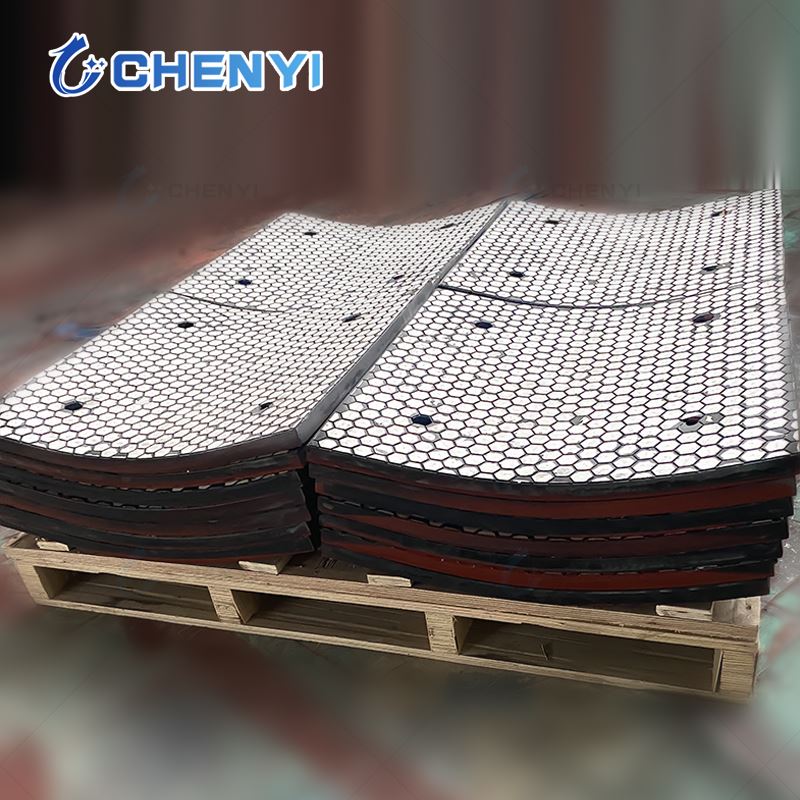
Before we discuss their flammability, it's essential to understand what rubber ceramic plates are. Rubber ceramic plates are composite materials that combine the properties of rubber and ceramic. The ceramic component usually consists of high - hardness ceramic tiles, which are embedded in a rubber matrix. This combination results in a material that has excellent wear resistance, impact resistance, and corrosion resistance.
There are different types of rubber ceramic plates available in the market, such as Ceramic Rubber Composite Liner, Ceramic Steel Liner, and Vulcanized Rubber Alumina Liner. Each type has its unique characteristics and applications, but they all share the basic structure of rubber and ceramic combination.
Flammability of Rubber
Rubber is a polymer material, and most types of rubber are flammable to some extent. Natural rubber, for example, is composed mainly of polyisoprene. When exposed to an open flame or high - temperature environment, it can catch fire and burn. The combustion process of rubber involves the decomposition of its polymer chains, releasing heat, smoke, and various gases.
Synthetic rubbers, such as styrene - butadiene rubber (SBR), nitrile rubber (NBR), and ethylene - propylene - diene monomer (EPDM), also have flammability issues. However, the flammability of different synthetic rubbers can vary depending on their chemical composition and structure. For instance, NBR has better oil resistance but also has a certain degree of flammability.
Flammability of Ceramic
Ceramics, on the other hand, are generally non - flammable. Ceramics are inorganic non - metallic materials, typically made from clay, silica, and other minerals. They have high melting points and excellent thermal stability. For example, alumina ceramics can withstand temperatures up to 2000°C without melting or burning.
The ceramic tiles in rubber ceramic plates are usually made of high - quality alumina or zirconia ceramics. These ceramics are designed to provide wear resistance and protection to the underlying structures. Since ceramics do not burn, they can act as a barrier to slow down the spread of fire when combined with rubber.
Flammability of Rubber Ceramic Plates
The flammability of rubber ceramic plates depends on several factors, including the type of rubber used, the proportion of rubber and ceramic, and the presence of any flame - retardant additives.
Type of Rubber
If a highly flammable rubber, such as natural rubber, is used in the rubber ceramic plate, the overall flammability of the plate will be relatively high. However, if a more fire - resistant synthetic rubber, like EPDM with good weather and heat resistance, is used, the flammability can be reduced.
Proportion of Rubber and Ceramic
The higher the proportion of ceramic in the rubber ceramic plate, the lower the flammability. This is because the non - flammable ceramic tiles can act as a physical barrier, preventing the rubber from coming into direct contact with the flame and reducing the spread of fire. For example, in a rubber ceramic plate with a high ceramic content, the ceramic tiles can isolate the rubber and slow down the combustion process.

Flame - Retardant Additives
Many rubber ceramic plate manufacturers add flame - retardant additives to the rubber matrix to improve the fire resistance of the product. These additives can work in different ways. Some flame - retardant additives release non - flammable gases when heated, which can dilute the oxygen around the rubber and suppress the combustion. Others can form a protective layer on the surface of the rubber, preventing the heat and oxygen from reaching the rubber.
Testing the Flammability of Rubber Ceramic Plates
To accurately determine the flammability of rubber ceramic plates, various testing methods can be used. One common method is the UL 94 test, which is a standard test for the flammability of plastic materials. In the UL 94 test, a sample of the rubber ceramic plate is placed in a vertical position and exposed to a flame for a certain period. The behavior of the sample during and after the flame exposure, such as the burning time, dripping, and after - flame time, is observed and evaluated.
Another testing method is the oxygen index test. This test measures the minimum concentration of oxygen in a mixture of oxygen and nitrogen that is required to support the combustion of the rubber ceramic plate. A higher oxygen index indicates better fire resistance.
Applications and Fire Safety Considerations
Rubber ceramic plates are widely used in various industries, such as mining, power generation, and steelmaking. In these industries, fire safety is a crucial concern. For example, in a coal - fired power plant, rubber ceramic plates may be used to line the chutes and hoppers to prevent wear. In such an environment, the flammability of the rubber ceramic plates needs to be carefully considered to avoid potential fire hazards.
When using rubber ceramic plates in fire - sensitive areas, it is recommended to choose products with high fire resistance. This may involve selecting rubber ceramic plates with a high ceramic content, using fire - resistant rubber, and adding appropriate flame - retardant additives. Additionally, proper installation and maintenance of the rubber ceramic plates are also important to ensure their fire - safety performance.
Conclusion
In conclusion, rubber ceramic plates can be flammable to some extent, mainly due to the flammability of the rubber component. However, the overall flammability can be controlled by factors such as the type of rubber, the proportion of ceramic, and the use of flame - retardant additives. By choosing the right materials and additives, rubber ceramic plates can achieve good fire resistance and meet the fire - safety requirements of different applications.
If you are interested in purchasing rubber ceramic plates and have concerns about their flammability or other properties, please feel free to contact us for more information. We are committed to providing high - quality products and professional solutions to meet your specific needs.
References
- ASTM International. "Standard Test Methods for Flammability of Plastic Materials for Parts in Devices and Appliances." ASTM D635 - 14(2019).
- Underwriters Laboratories. "UL 94: Tests for Flammability of Plastic Materials for Parts in Devices and Appliances."
- Schobert, H. H. "Coal: The Energy Source of the Past and Future." Cambridge University Press, 2013.