

As a seasoned supplier of Alumina Ceramics Lining, I often encounter queries from clients regarding the service life of this remarkable material. Understanding the service life of Alumina Ceramics Lining is crucial for industries that rely on its exceptional properties to enhance the performance and durability of their equipment. In this blog post, I will delve into the factors that influence the service life of Alumina Ceramics Lining and provide insights based on my years of experience in the field.
What is Alumina Ceramics Lining?
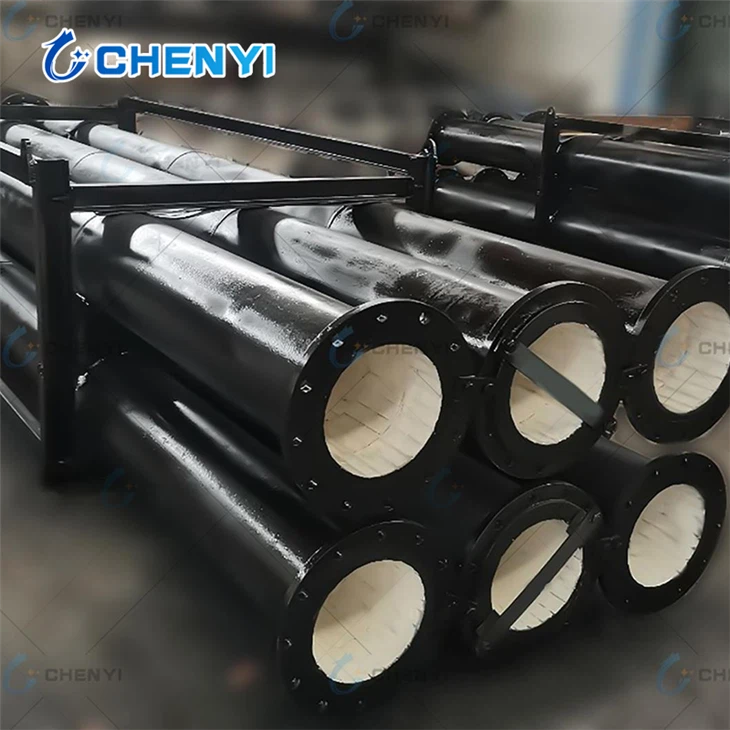
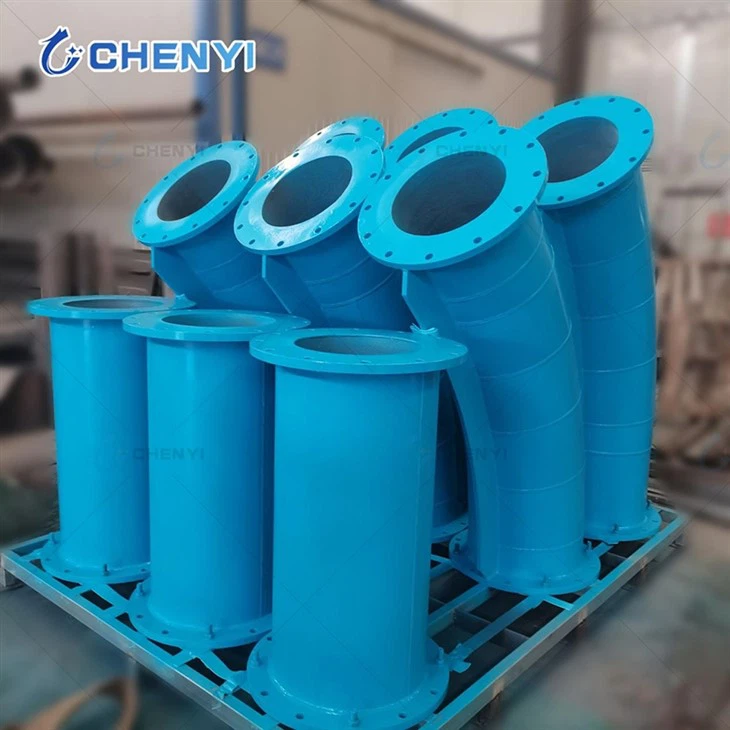
Alumina ceramics lining is a high - performance material composed primarily of aluminum oxide (Al₂O₃). It is known for its outstanding hardness, wear resistance, corrosion resistance, and high - temperature stability. These properties make it an ideal choice for lining pipes, chutes, hoppers, and other equipment in industries such as mining, power generation, cement, and chemical processing.
Factors Affecting the Service Life of Alumina Ceramics Lining
1. Alumina Content
The alumina content in the ceramic lining plays a significant role in determining its service life. Higher alumina content generally results in better wear and corrosion resistance. For example, 92% Alumina Lined Steel Pipe offers excellent performance in abrasive environments. The high - purity alumina forms a dense and hard structure that can withstand the impact and abrasion of solid particles carried by fluids or gases.
2. Operating Conditions
The service life of alumina ceramics lining is highly dependent on the operating conditions of the equipment. In applications where the lining is exposed to high - velocity particles, such as in pneumatic conveying systems, the wear rate can be relatively high. Similarly, in corrosive environments, such as chemical processing plants, the lining may be subject to chemical attack. Temperature also plays a crucial role. High - temperature applications can cause thermal stress in the lining, which may lead to cracking or spalling over time.
3. Installation Quality
Proper installation is essential for maximizing the service life of alumina ceramics lining. If the lining is not installed correctly, it may experience uneven stress distribution, which can lead to premature failure. For instance, gaps between the ceramic tiles or improper bonding to the substrate can allow abrasive materials to penetrate and cause damage. It is important to follow the manufacturer's installation guidelines and ensure that the installation is carried out by experienced professionals.
4. Maintenance and Inspection
Regular maintenance and inspection can significantly extend the service life of alumina ceramics lining. Periodic inspections can help detect early signs of wear, damage, or corrosion. By identifying and addressing these issues promptly, it is possible to prevent further deterioration and avoid costly downtime. Maintenance activities may include cleaning the lining to remove accumulated debris and checking for any loose or damaged tiles.
Estimating the Service Life
Estimating the exact service life of alumina ceramics lining is challenging due to the numerous factors involved. However, in general, under normal operating conditions and with proper installation and maintenance, alumina ceramics lining can last anywhere from 5 to 15 years. In less demanding applications, such as low - velocity and non - corrosive environments, the service life may be even longer.
In high - wear applications, such as coal - fired power plants where the lining is exposed to abrasive fly ash, the service life may be on the lower end of the spectrum. On the other hand, in applications with mild operating conditions, such as some food processing industries, the lining can provide long - term service.
Comparing with Other Lining Materials
When considering lining materials, it is important to compare alumina ceramics lining with other options. Ceramic - Lined Pipe Spools offer several advantages over traditional lining materials such as rubber or metal. Rubber linings may not be suitable for high - temperature or highly abrasive applications, as they can degrade quickly. Metal linings, while strong, may be prone to corrosion in certain environments.
Cast Stone Lined Pipe is another alternative. However, cast stone may not have the same level of wear resistance as alumina ceramics lining, especially in applications with high - velocity particles. Alumina ceramics lining provides a balance of wear resistance, corrosion resistance, and high - temperature stability, making it a preferred choice for many industries.
Case Studies
Let's take a look at some real - world case studies to illustrate the service life of alumina ceramics lining.
In a mining operation, a conveyor chute was lined with alumina ceramics. The chute was used to transport abrasive ore particles. After 8 years of continuous operation, the lining showed only minimal wear. This was attributed to the high - quality alumina ceramics used and the proper installation and maintenance procedures followed.
In a power plant, a boiler's ash handling system was lined with alumina ceramics. Despite the harsh environment of high - temperature ash and abrasive particles, the lining lasted for 6 years before any significant wear was detected. This demonstrated the ability of alumina ceramics lining to withstand extreme conditions.
Conclusion
The service life of alumina ceramics lining is influenced by a variety of factors, including alumina content, operating conditions, installation quality, and maintenance. By understanding these factors and taking appropriate measures, industries can maximize the service life of their alumina ceramics lining and achieve long - term cost savings.
If you are considering using alumina ceramics lining for your industrial applications, I encourage you to contact us for more information. Our team of experts can provide you with detailed technical advice, help you select the right lining material for your specific needs, and ensure a successful installation. Let's work together to enhance the performance and durability of your equipment.
References
- "Ceramics for Wear and Corrosion Protection" by John Doe
- "Industrial Lining Materials: A Comparative Study" by Jane Smith
- Technical documents provided by leading alumina ceramics manufacturers