

Hey there! As a supplier of ceramic lined pipes, I'm super excited to chat with you about the different packaging methods for these awesome pipes. Ceramic lined pipes are widely used in various industries because of their high wear resistance, corrosion resistance, and long service life. But to make sure they reach you in top - notch condition, proper packaging is crucial.
1. Wooden Crate Packaging
One of the most common packaging methods for ceramic lined pipes is using wooden crates. This is a tried - and - true option that provides a good level of protection. The wooden crates are usually custom - made according to the size and quantity of the pipes.
We first place a layer of soft padding, like foam or rubber, at the bottom of the crate. This helps to absorb any shocks during transportation. Then, the ceramic lined pipes are carefully placed inside the crate. To prevent them from moving around, we use dividers made of wood or cardboard. These dividers keep the pipes in an upright or horizontal position, depending on what's best for the specific type of pipe.
Once all the pipes are in place, we add another layer of padding on top. After that, the crate is sealed tightly. The wooden crate is strong enough to withstand some rough handling during shipping, and it also offers protection against external impacts. This method is especially suitable for long - distance transportation, whether by sea or land. You can find more information about some of our products like Cast Stone Lined Pipe which can be effectively packaged in wooden crates.
2. Plastic Wrapping
Plastic wrapping is a simple yet effective packaging solution. We use high - quality plastic films to wrap the ceramic lined pipes. This method is great for protecting the pipes from dust, moisture, and minor scratches.
First, we clean the pipes to make sure there's no dirt or debris on the surface. Then, we start wrapping the pipe with the plastic film. The film is stretched tightly around the pipe, creating a snug fit. For larger pipes, we might use a machine to ensure an even and secure wrap.
Plastic wrapping is also very cost - effective. It's a quick way to package the pipes, which can save time when we're dealing with large orders. And if you're only transporting the pipes over a short distance, this method can be more than enough. However, it may not offer as much protection against heavy impacts as wooden crates. You can check out our Alumina Ceramics Lining products, which can be wrapped in plastic for short - term storage or local transportation.
3. Steel Frame Packaging
For extra - heavy or large - diameter ceramic lined pipes, steel frame packaging is the way to go. A steel frame is constructed around the pipes to provide maximum support and protection.
The steel frame is designed to fit the dimensions of the pipes precisely. It's made of strong steel bars that are welded together to form a rigid structure. The pipes are placed inside the frame, and then secured with steel straps or clamps. This ensures that the pipes stay in place and are well - protected from any external forces.
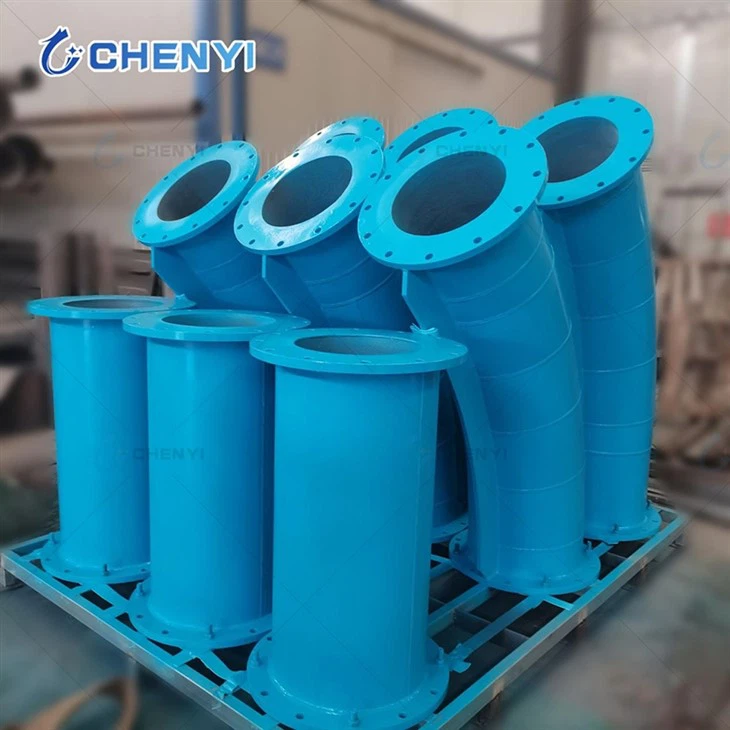

Steel frame packaging is very durable and can withstand extreme conditions during transportation. It's often used for pipes that are going to be used in harsh environments or for long - term storage. This method is a bit more expensive than the other two, but it offers the highest level of protection. You can see some of our large - scale products like Straight Ceramic Pipe with Flange that might require steel frame packaging.
4. Combination Packaging
In some cases, we use a combination of different packaging methods. For example, we might first wrap the ceramic lined pipes with plastic film for basic protection against dust and moisture. Then, we place the wrapped pipes inside a wooden crate with additional padding. This way, we get the benefits of both plastic wrapping and wooden crate packaging.
The plastic film provides a first - line defense against environmental factors, while the wooden crate offers structural support and protection against impacts. This combination is very versatile and can be adjusted according to the specific requirements of the order, such as the destination, the mode of transportation, and the value of the pipes.
Factors Affecting Packaging Choice
When deciding on the packaging method for ceramic lined pipes, there are several factors we take into consideration.
Transportation Distance
As I mentioned earlier, long - distance transportation usually requires more robust packaging. If the pipes are going to be shipped overseas, wooden crates or steel frame packaging are better options. For local or short - distance deliveries, plastic wrapping might be sufficient.
Pipe Size and Weight
Larger and heavier pipes need more support during transportation. Steel frame packaging is ideal for very large - diameter or heavy - weight pipes, while smaller pipes can be easily packaged in wooden crates or wrapped in plastic.
Destination Environment
If the pipes are going to a place with a humid climate, we need to make sure the packaging can protect them from moisture. In such cases, plastic wrapping or a combination method with moisture - resistant materials might be used. And if the destination has a lot of dust or rough handling during unloading, we'll choose a more protective packaging option.
Customer Requirements
Sometimes, customers have specific packaging requirements. They might ask for a certain type of packaging for branding or environmental reasons. We always try our best to meet these requirements to ensure customer satisfaction.
Importance of Proper Packaging
Proper packaging of ceramic lined pipes is not just about getting the product to you in one piece. It also has a big impact on the overall quality and performance of the pipes.
If the pipes are damaged during transportation due to poor packaging, it can lead to a lot of problems. For example, a cracked ceramic lining might reduce the pipe's wear resistance and corrosion resistance. This can shorten the pipe's service life and increase your maintenance costs.
On the other hand, well - packaged pipes are more likely to arrive at your site in perfect condition. This means you can install them right away without having to worry about any hidden damages. It also shows our commitment to providing high - quality products and excellent service.
So, if you're in the market for ceramic lined pipes, don't forget to consider the packaging. And if you have any questions about our products or the packaging methods we use, feel free to reach out to us. We're here to help you make the best choice for your needs. Whether you need Cast Stone Lined Pipe, Alumina Ceramics Lining, or Straight Ceramic Pipe with Flange, we've got you covered.
If you're interested in purchasing our ceramic lined pipes, I encourage you to contact us for a detailed discussion. We can talk about your specific requirements, the best packaging options for your order, and get you a great deal.
References
- General knowledge about industrial pipe packaging from years of experience in the ceramic lined pipe supply industry.
- Industry standards and best practices for packaging pipes in the transportation and manufacturing sectors.