

Hey there! As a supplier of SiSIC Lined Steel Pipe, I often get asked about the maintenance costs associated with these pipes. So, I thought I'd take the time to break it down for you in this blog post.
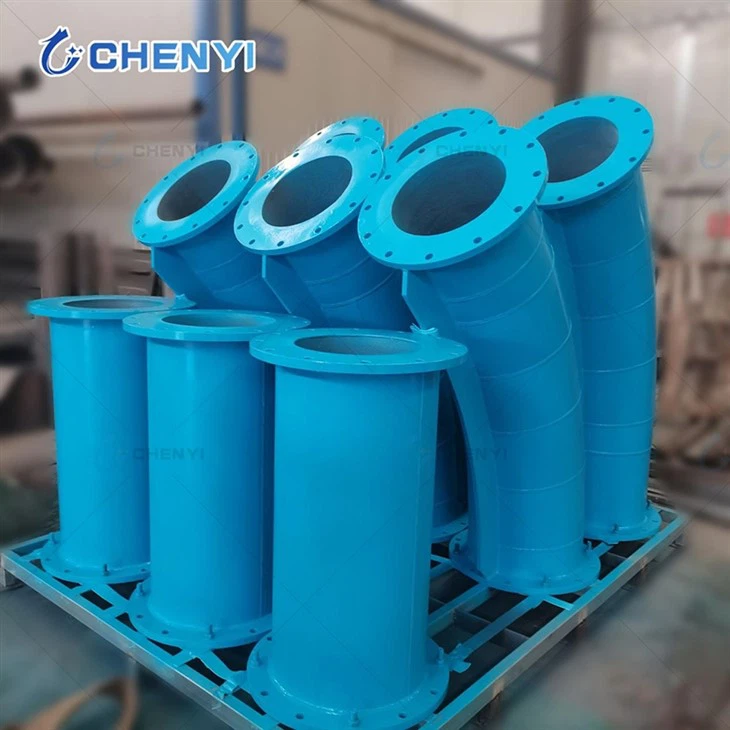
First off, let's talk about what SiSIC Lined Steel Pipe is. SiSIC, or Silicon Carbide, is a super - hard ceramic material that's lined inside a steel pipe. This combination gives the pipe excellent wear resistance, corrosion resistance, and high - temperature resistance. It's commonly used in industries like mining, power generation, and chemical processing where there's a lot of abrasive or corrosive material flowing through the pipes.
1. Initial Installation and Inspection Costs
When you first get your SiSIC Lined Steel Pipe, there are some upfront costs related to installation and inspection. The installation process needs to be done carefully to ensure that the pipes are properly connected and there are no leaks. You might need to hire professional installers, which can cost you a bit. But trust me, it's worth it because a proper installation reduces the chances of future problems.
After installation, a thorough inspection is necessary. You can do a visual inspection to check for any visible damage on the pipes or the lining. Also, pressure tests might be required to make sure the pipes can handle the intended flow and pressure. These inspection costs are part of the initial maintenance investment.
2. Routine Maintenance Costs
Cleaning
One of the main routine maintenance tasks for SiSIC Lined Steel Pipe is cleaning. Over time, debris, sediment, or chemical deposits can build up inside the pipes. Cleaning helps to maintain the flow efficiency and prevent blockages. You can use mechanical cleaning methods like pigging, where a device called a pig is sent through the pipe to scrape off the deposits. Chemical cleaning is also an option, especially for removing stubborn chemical residues. However, chemical cleaning agents need to be carefully selected to avoid damaging the SiSIC lining. The cost of cleaning includes the cleaning equipment, cleaning agents, and labor.
Inspection
Regular inspections are crucial to catch any potential problems early. You can do visual inspections periodically, looking for signs of wear on the lining, cracks in the steel pipe, or any signs of leakage. Non - destructive testing methods like ultrasonic testing can also be used to check the integrity of the lining and the pipe wall. These inspections help you determine if any repairs or replacements are needed. The cost of inspection includes the inspection tools and the labor of trained inspectors.
3. Repair and Replacement Costs
Minor Repairs
If during an inspection, you find minor damage to the SiSIC lining or the steel pipe, you might be able to do minor repairs. For example, if there's a small crack in the lining, you can use special repair materials to patch it up. These repair materials are usually designed to bond well with the SiSIC and the steel. The cost of minor repairs includes the repair materials and the labor to carry out the repairs.

Major Repairs or Replacements
In some cases, major repairs or even full replacements might be necessary. If the damage to the lining is extensive or if the steel pipe has significant corrosion, it might be more cost - effective to replace the pipe or the lining. Replacing a SiSIC Lined Steel Pipe can be expensive, as it involves not only the cost of the new pipe but also the cost of removal and reinstallation.
4. Comparison with Other Pipe Types
When considering the maintenance costs of SiSIC Lined Steel Pipe, it's helpful to compare them with other pipe types. For example, regular steel pipes without a lining are more prone to corrosion and wear. They might require more frequent repairs and replacements, which can add up to higher long - term costs. On the other hand, Ceramic Lined Y - Pieces and Stone Lined Swivels also have their own maintenance requirements. While they offer good wear resistance, the lining materials and the design might have different wear patterns compared to SiSIC Lined Steel Pipe. Cast Stone Lined Pipe is another option, but it might have different installation and maintenance challenges.
5. Factors Affecting Maintenance Costs
Operating Conditions
The operating conditions have a big impact on the maintenance costs of SiSIC Lined Steel Pipe. If the pipes are used in a high - pressure, high - temperature environment, or if they are transporting highly abrasive or corrosive materials, the wear and tear on the pipes will be more significant. This means more frequent maintenance and higher costs.
Quality of the Pipe
The quality of the SiSIC Lined Steel Pipe you buy also affects the maintenance costs. A high - quality pipe with a well - made lining and strong steel construction will generally require less maintenance. Cheaper, lower - quality pipes might seem like a good deal at first, but they can end up costing you more in the long run due to more frequent repairs and replacements.
Conclusion
In conclusion, the maintenance costs of SiSIC Lined Steel Pipe include initial installation and inspection costs, routine maintenance costs for cleaning and inspection, and potential repair or replacement costs. While the upfront and routine maintenance costs might seem a bit high, in the long run, SiSIC Lined Steel Pipe can be a cost - effective solution due to its excellent wear and corrosion resistance.
If you're in the market for SiSIC Lined Steel Pipe or want to know more about its maintenance, don't hesitate to reach out. I'm here to help you make the best decision for your business. Whether it's about the cost - effectiveness, installation, or maintenance, I've got the answers. Let's have a chat and see how we can work together to meet your piping needs.
References
- Industry reports on piping maintenance
- Manufacturer's guidelines for SiSIC Lined Steel Pipe