

Hey there! As a supplier of Rubber Ceramic Chutes, I'm super excited to chat with you about their chemical resistance properties. These chutes are pretty amazing pieces of equipment, and understanding their chemical resistance can really help you figure out if they're the right fit for your operations.
So, let's start with the basics. Rubber Ceramic Chutes are made by combining rubber and ceramic materials. The rubber provides flexibility and shock absorption, while the ceramic offers high wear resistance. But what about chemical resistance? Well, that's where things get really interesting.
How Rubber Contributes to Chemical Resistance
The rubber used in Rubber Ceramic Chutes plays a crucial role in their chemical resistance. Different types of rubber have different levels of resistance to various chemicals. For example, nitrile rubber is known for its excellent resistance to oils, fuels, and many solvents. If your operation involves handling these types of substances, a Rubber Ceramic Chute with a nitrile rubber base could be a great choice.
On the other hand, neoprene rubber is resistant to a wide range of chemicals, including some acids and alkalis. It also has good weather resistance, making it suitable for outdoor applications where there might be exposure to rain, sunlight, and other environmental factors.
The rubber acts as a barrier between the ceramic and the chemicals. It helps to prevent the chemicals from reaching the ceramic layer and causing damage. This is important because if the ceramic layer is damaged, the overall performance of the chute can be compromised.
The Role of Ceramics in Chemical Resistance
Ceramics are generally very resistant to chemicals. They have a high melting point and are chemically inert, which means they don't react easily with other substances. In Rubber Ceramic Chutes, the ceramic layer provides an extra level of protection against chemical attack.
There are different types of ceramics used in these chutes, such as alumina ceramic and zirconia toughened alumina (ZTA). Alumina ceramic is a common choice because it's relatively inexpensive and has good wear and chemical resistance. It can withstand exposure to many acids, alkalis, and salts.
ZTA, on the other hand, is even more resistant to wear and chemical attack. It's a high-performance ceramic that combines the hardness of alumina with the toughness of zirconia. If you're dealing with extremely abrasive or corrosive chemicals, a Rubber Ceramic Chute with a ZTA wear liner ZTA Wear Liner could be the way to go.
Testing Chemical Resistance
To ensure the quality and performance of our Rubber Ceramic Chutes, we conduct rigorous testing of their chemical resistance. We expose samples of the chutes to different chemicals under controlled conditions and measure the changes in their properties over time.
This testing helps us to determine the maximum concentration and exposure time that the chutes can withstand for each chemical. It also allows us to identify any potential weaknesses in the design or materials and make improvements as needed.
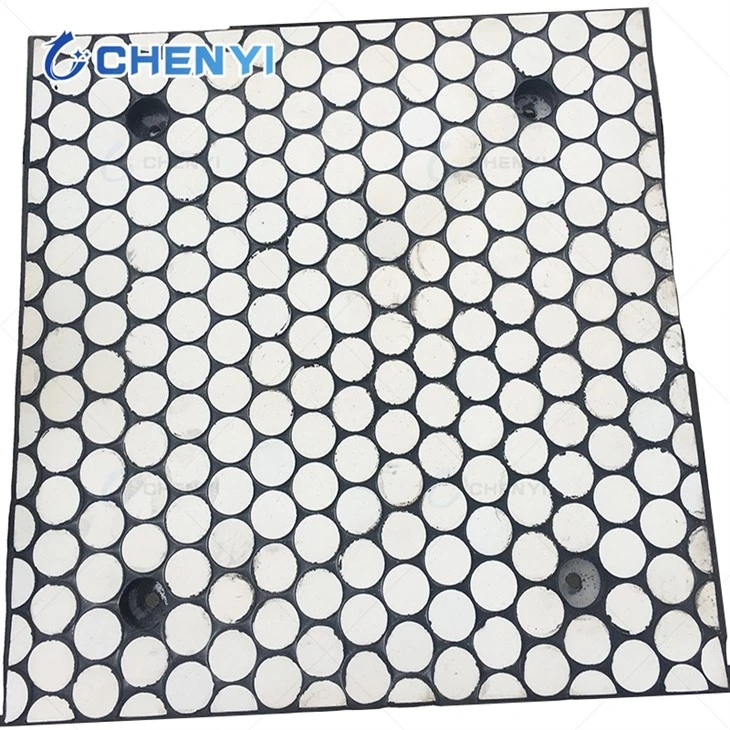
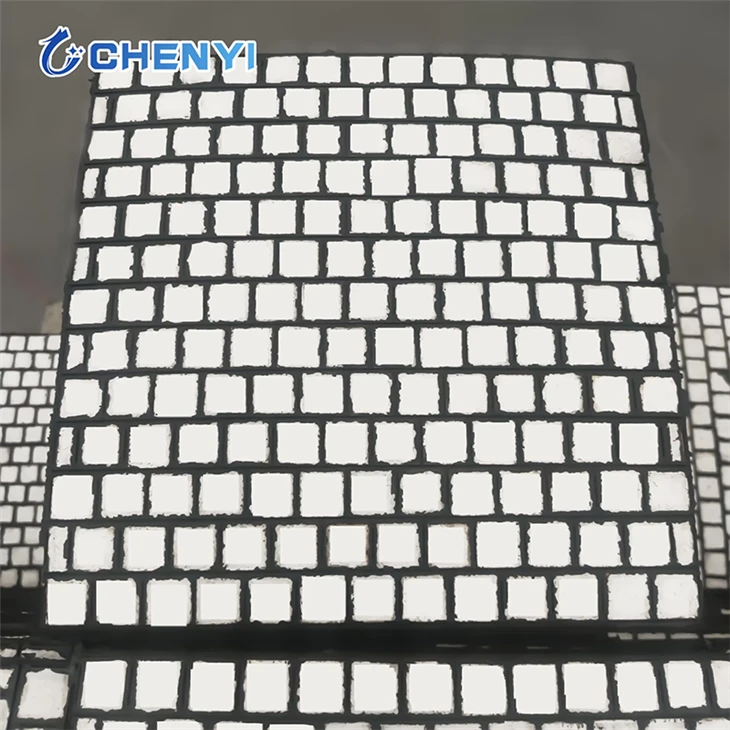
When you're considering purchasing a Rubber Ceramic Chute, it's important to ask the supplier about their testing procedures and results. This will give you a better idea of how the chute will perform in your specific application.
Applications Where Chemical Resistance Matters
There are many industries where the chemical resistance of Rubber Ceramic Chutes is crucial. Some of these include:
- Mining and Minerals Processing: In mines, chutes are used to transport ore and other materials. These materials often contain abrasive and corrosive chemicals, such as sulfuric acid and sodium cyanide. A Rubber Ceramic Chute with good chemical resistance can help to prevent damage to the chute and ensure a smooth and efficient flow of materials.
- Chemical Processing: Chemical plants handle a wide variety of chemicals, many of which are highly corrosive. Rubber Ceramic Chutes can be used to transport these chemicals safely and effectively, reducing the risk of spills and leaks.
- Food and Beverage: In the food and beverage industry, chutes are used to transport products such as grains, sugar, and liquids. The chutes need to be resistant to food acids and other substances to ensure the safety and quality of the products.
Comparing with Other Materials
When it comes to chemical resistance, Rubber Ceramic Chutes have some advantages over other materials. For example, compared to steel chutes, Rubber Ceramic Chutes are more resistant to corrosion. Steel can rust when exposed to moisture and certain chemicals, which can lead to structural damage and a shorter lifespan.
Plastic chutes, on the other hand, may not have the same level of wear resistance as Rubber Ceramic Chutes. They can also be more susceptible to chemical attack, especially at high temperatures.
Maintenance and Longevity
To keep your Rubber Ceramic Chute performing at its best, proper maintenance is key. This includes regular inspections to check for any signs of chemical damage or wear. If you notice any cracks, peeling, or discoloration in the rubber or ceramic layers, it's important to take action immediately.
You should also clean the chute regularly to remove any chemical residues. Use a mild detergent and water, and avoid using harsh chemicals that could damage the chute.
With proper maintenance, a Rubber Ceramic Chute can have a long lifespan. The chemical resistance of the materials helps to protect the chute from damage, allowing it to continue functioning effectively for many years.
Understanding Rubber Ceramic Liners
If you're interested in enhancing the chemical resistance and wear properties of your existing chutes, Rubber Ceramic Liners Rubber Ceramic Liners are a great option. These liners can be easily installed inside the chute to provide an additional layer of protection.
Rubber Ceramic Liners are available in different thicknesses and configurations to suit your specific needs. They offer the same benefits as Rubber Ceramic Chutes, including flexibility, shock absorption, and chemical resistance.
Rubber Backed Alumina Ceramic
Another product that's worth mentioning is Rubber Backed Alumina Ceramic Rubber Backed Alumina Ceramic. This material combines the chemical resistance of alumina ceramic with the flexibility and shock absorption of rubber.
It's often used in applications where there's a need for both chemical protection and impact resistance. For example, in industrial hoppers or chutes that handle abrasive and corrosive materials, Rubber Backed Alumina Ceramic can provide excellent performance.
Get in Touch for a Custom Solution
If you're looking for a Rubber Ceramic Chute that meets your specific chemical resistance requirements, I'd love to hear from you. As a supplier, we have the expertise and experience to provide you with a custom solution.
Whether you need a chute for a new project or want to upgrade an existing one, we can work with you to select the right materials and design. Our goal is to ensure that you get a product that performs well and lasts for a long time.
So, don't hesitate to reach out and start a conversation. Let's work together to find the perfect Rubber Ceramic Chute for your business.
References
- "Handbook of Chemical Resistance of Plastics and Elastomers" by Christopher S. Brazel
- "Ceramics: Structure, Properties, Processing, and Applications" by F. F. Lange and R. M. Cannon