

Hey there! As a supplier of rubber ceramic liners, I often get asked about the radiation resistance of these awesome products. So, let's dive right in and explore what radiation resistance means for rubber ceramic liners.
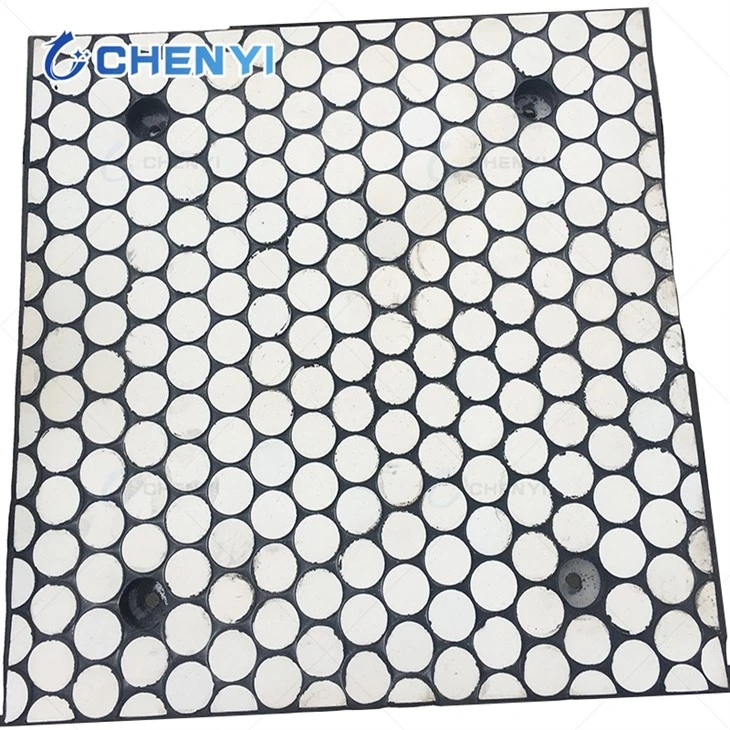
First off, what are rubber ceramic liners? Well, they're a combination of rubber and ceramic materials. The rubber part provides flexibility, shock absorption, and good adhesion, while the ceramic part offers high hardness, wear resistance, and chemical stability. This unique combination makes them suitable for a wide range of applications, from mining and cement plants to power generation and chemical industries.
Now, let's talk about radiation resistance. Radiation comes in different forms, such as alpha, beta, gamma rays, and neutrons. Each type of radiation has its own characteristics and effects on materials. When it comes to rubber ceramic liners, we're mainly concerned with how they can withstand these radiations without significant degradation in their performance.
The rubber component in a rubber ceramic liner plays an important role in radiation resistance. Natural and synthetic rubbers have different responses to radiation. Some rubbers can cross - link under radiation, which may increase their hardness and reduce their flexibility over time. Others may undergo chain scission, leading to a decrease in molecular weight and mechanical properties. However, certain types of rubbers can be formulated to have better radiation resistance. For example, some specialty rubbers are designed with additives that can absorb or dissipate the energy of radiation, protecting the rubber matrix from damage.
The ceramic part of the liner also contributes to radiation resistance. Ceramics are generally more resistant to radiation compared to rubbers. They have a stable crystal structure that can better withstand the impact of high - energy particles. For instance, zirconia toughened alumina (ZTA) used in ZTA Wear Liner is known for its excellent mechanical properties and radiation - resistant capabilities. ZTA can absorb and disperse the energy of radiation, preventing it from causing structural damage to the liner.
One of the factors that affect the radiation resistance of a rubber ceramic liner is the thickness of the liner. A thicker liner can provide more shielding against radiation. The rubber layer can act as a buffer, reducing the direct impact of radiation on the ceramic layer. And the ceramic layer, in turn, can stop or slow down the penetration of radiation particles. For example, in a Rubber Ceramic Lining Backed with Steel, the steel backing can also enhance the overall radiation - shielding effect. The steel can absorb and reflect some of the radiation, working in conjunction with the rubber and ceramic layers.
Another important aspect is the bonding between the rubber and the ceramic. A strong bond is crucial for maintaining the integrity of the liner under radiation. If the bond weakens due to radiation exposure, the ceramic tiles may start to come loose, reducing the effectiveness of the liner. To ensure a good bond, advanced vulcanization techniques are often used in the manufacturing process. In Vulcanized Rubber Ceramic Liner, the vulcanization process creates a strong chemical bond between the rubber and the ceramic, which helps the liner maintain its structure even when exposed to radiation.
Let's take a look at some real - world applications where the radiation resistance of rubber ceramic liners matters. In nuclear power plants, rubber ceramic liners can be used in pipes and containers to protect against radiation. They can line the inside of coolant pipes, preventing the radiation from reaching the outer parts of the pipes and causing damage. In radioactive waste storage facilities, these liners can be used to line the storage tanks, providing an extra layer of protection against radiation leakage.

When choosing a rubber ceramic liner for radiation - resistant applications, several things need to be considered. First, the type and intensity of radiation in the environment should be determined. Different types of radiation require different liner designs. For high - energy gamma radiation, a liner with a thicker ceramic layer and a radiation - resistant rubber may be needed. Second, the operating temperature is also an important factor. High temperatures can accelerate the degradation of the liner, especially the rubber component. So, a liner that can withstand both radiation and high temperatures is essential.
In addition to radiation resistance, other properties of rubber ceramic liners also need to be taken into account. Wear resistance is crucial, especially in industries where the liner is exposed to abrasive materials. Chemical resistance is also important, as the liner may come into contact with various chemicals. A liner that can resist both radiation and chemicals will have a longer service life.
As a supplier, we have a team of experts who can help you choose the right rubber ceramic liner for your specific needs. We conduct extensive testing on our products to ensure their radiation resistance and other properties. We use advanced manufacturing techniques to produce high - quality liners that can meet the strict requirements of different industries.
If you're in the market for rubber ceramic liners with good radiation resistance, don't hesitate to reach out. Whether you're in the nuclear industry, mining, or any other field where radiation protection is needed, we can provide you with the best solutions. Contact us to start a conversation about your requirements and let's work together to find the perfect liner for your application.
In conclusion, the radiation resistance of a rubber ceramic liner is a complex but important property. It depends on the materials used, the bonding between the rubber and the ceramic, the thickness of the liner, and other factors. By understanding these aspects, you can make an informed decision when choosing a liner for radiation - resistant applications. And as a reliable supplier, we're here to support you every step of the way.
References
- "Handbook of Radiation Chemistry"
- "Ceramic Materials for High - Temperature and Radiation - Resistant Applications"
- "Rubber Technology: Compounding, Mixing, and Vulcanization"